Bulk Corporate Branded Water Bottles Overview
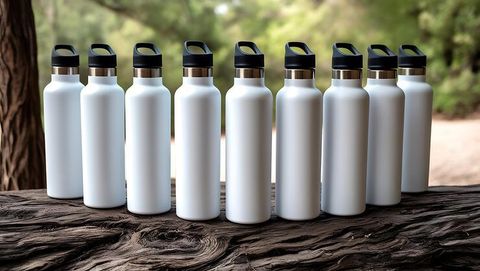
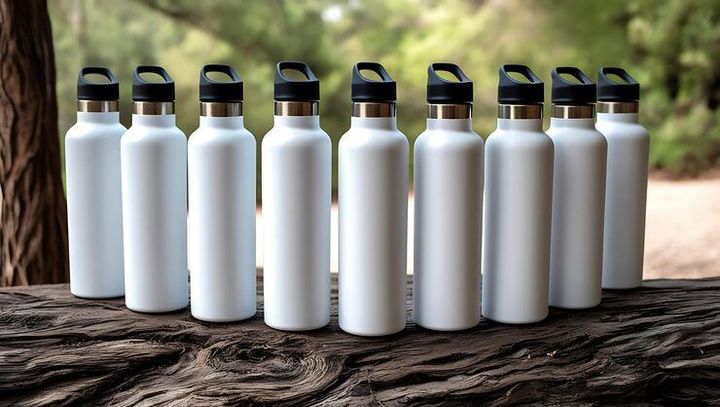
Bulk corporate branded water bottles refer to reusable or recyclable drinkware customized with a company’s logo, slogan, or campaign message and distributed in large quantities. These items are commonly used at corporate events, employee onboarding programs, trade exhibitions, educational seminars, conferences, and internal sustainability initiatives.
Organizations adopt branded drinkware as part of broader branded merchandise strategy and corporate identity programs. Instead of single-use plastic bottles, many companies now choose reusable water bottles wholesale to align with environmental and corporate sustainability initiatives.
The concept exists at the intersection of branding, environmental awareness, and workplace engagement. As businesses increasingly focus on Environmental, Social, and Governance (ESG) reporting, everyday operational items such as eco-friendly corporate gifts and BPA-free drinkware have become part of broader sustainability communication efforts.
Bulk customization typically includes:
-
Stainless steel water bottles bulk orders
-
Aluminum or recycled plastic options
-
Vacuum-insulated tumblers
-
Glass bottles with protective sleeves
-
Tritan and BPA-free polymer bottles
Customization methods may involve laser engraving, screen printing, UV printing, or embossing, depending on material and durability requirements.
Why This Topic Matters in Today’s Corporate Environment
Bulk corporate branded water bottles are relevant for several reasons tied to sustainability, employee engagement, and environmental compliance.
Environmental Responsibility and ESG Alignment
Many organizations have adopted formal ESG compliance products into procurement decisions. Replacing disposable plastic bottles with reusable alternatives reduces waste generation and supports corporate sustainability initiatives.
According to global environmental reports, single-use plastics remain a major contributor to landfill accumulation and marine pollution. As a result, companies are reevaluating internal procurement policies and promotional merchandise practices.
Below is a simplified comparison of environmental impact considerations:
| Feature | Single-Use Plastic Bottles | Reusable Branded Bottles |
|---|---|---|
| Waste Generation | High per use | Lower over long-term use |
| Corporate Branding | Temporary label | Long-term brand visibility |
| ESG Reporting Value | Limited | Supports sustainability metrics |
| Employee Engagement | Minimal | Encourages refill culture |
Employee and Workplace Impact
Organizations distributing custom logo water bottles during onboarding or corporate events often aim to:
-
Encourage hydration and wellness
-
Reduce workplace plastic waste
-
Reinforce brand identity
-
Standardize internal sustainability messaging
In sectors such as technology, finance, healthcare, and education, visible sustainability actions contribute to internal culture development and stakeholder perception.
Marketing and Brand Visibility
From a marketing standpoint, durable branded merchandise strategy ensures longer brand exposure compared to disposable items. A stainless steel bottle used daily in offices, gyms, or public settings offers ongoing visibility without repetitive material consumption.
Recent Trends and Updates (2025 Developments)
In 2025, several trends are shaping the bulk corporate branded water bottles market.
Growth of Sustainable Materials
Manufacturers increasingly emphasize:
-
Recycled stainless steel
-
Ocean-bound plastic materials
-
Carbon-neutral production facilities
-
Plant-based polymers
Corporate procurement teams are reviewing lifecycle assessments (LCA) before selecting reusable water bottles wholesale suppliers.
Regulatory Pressure on Single-Use Plastics
As of 2024–2025, multiple regions have strengthened plastic reduction policies:
-
The European Union expanded restrictions under its Single-Use Plastics Directive.
-
Several U.S. states updated Extended Producer Responsibility (EPR) frameworks.
-
India continues enforcing Plastic Waste Management Rules amendments.
-
Canada introduced stricter guidelines around plastic labeling and recyclability claims.
These developments indirectly increase demand for reusable drinkware as companies seek regulatory alignment.
Corporate ESG Disclosure Expansion
In 2025, ESG disclosure frameworks such as the Corporate Sustainability Reporting Directive (CSRD) in the EU are influencing multinational corporations. Procurement transparency now includes evaluating promotional product sourcing, material safety, and environmental footprint.
Digital Printing and Low-Impact Customization
Advancements in UV and water-based ink printing technologies reduce chemical emissions in the customization process. Many companies now request:
-
Low-VOC printing methods
-
Durable laser engraving
-
Traceable material sourcing documentation
Laws, Policies, and Compliance Considerations
Bulk corporate branded water bottles are influenced by product safety regulations, environmental policies, and labeling standards.
Product Safety Standards
In the United States, drinkware must comply with:
-
FDA regulations for food-contact materials
-
Consumer Product Safety Commission (CPSC) guidelines
-
BPA restrictions in certain states
In the European Union:
-
REACH regulations govern chemical substances
-
Food Contact Materials (FCM) regulations apply
India enforces:
-
BIS (Bureau of Indian Standards) requirements
-
Plastic Waste Management Rules
Companies procuring stainless steel water bottles bulk quantities often request compliance certificates to ensure safe material composition.
Environmental Claims and Advertising Regulations
Organizations promoting eco-friendly corporate gifts must ensure claims are substantiated. Regulatory authorities in multiple countries monitor “greenwashing.” Claims such as “100% recyclable” or “carbon neutral” must be verifiable.
Government agencies encourage transparent environmental labeling, including:
-
Recyclability symbols
-
Material identification codes
-
Manufacturing origin disclosure
Public Sector Procurement Policies
Government-funded institutions and public organizations may require:
-
Sustainable sourcing documentation
-
Ethical labor certifications
-
Environmental impact reporting
This influences procurement decisions for bulk corporate branded water bottles in educational institutions and public enterprises.
Tools and Resources for Organizations
Organizations evaluating bulk branded drinkware can use several tools and frameworks.
Sustainability Assessment Tools
-
Life Cycle Assessment (LCA) calculators
-
Carbon footprint estimation platforms
-
ESG reporting software
These tools help measure environmental impact over time.
Certification and Standards References
-
ISO 14001 Environmental Management
-
Global Recycled Standard (GRS)
-
BPA-free certification documentation
Procurement Planning Resources
-
Corporate procurement templates
-
Vendor compliance checklists
-
Sustainability scorecards
Design and Branding Tools
-
Vector design software (e.g., Adobe Illustrator alternatives)
-
Brand guideline templates
-
Pantone color reference systems
Material Comparison Overview
| Material Type | Durability | Insulation | Recyclability | Typical Use Case |
|---|---|---|---|---|
| Stainless Steel | High | High (vacuum models) | Widely recyclable | Corporate gifts, conferences |
| Aluminum | Moderate | Low | Recyclable | Promotional campaigns |
| Tritan (BPA-free) | Moderate | Low | Limited recycling in some regions | Schools, events |
| Glass | Fragile | Low | Recyclable | Executive gifting |
Organizations often evaluate these factors in relation to budget, sustainability goals, and audience needs.
Frequently Asked Questions
What are bulk corporate branded water bottles typically used for?
They are commonly distributed during corporate events, employee onboarding, trade exhibitions, training programs, and sustainability campaigns. They serve both branding and environmental objectives.
Are stainless steel water bottles better for sustainability initiatives?
Stainless steel bottles are generally durable and recyclable. When reused over long periods, they can reduce reliance on disposable plastics. Sustainability impact depends on usage frequency and sourcing transparency.
Do branded water bottles need regulatory approval?
Drinkware must comply with local food-contact safety regulations. Compliance documentation from manufacturers helps ensure adherence to relevant standards such as FDA, REACH, or BIS requirements.
How do companies verify eco-friendly claims?
Organizations may request third-party certifications, lifecycle assessments, and recycled content documentation. Transparent labeling and compliance certificates help verify environmental claims.
What factors should procurement teams evaluate?
Key considerations include:
-
Material safety and BPA-free status
-
Durability and insulation performance
-
Environmental certifications
-
Customization method sustainability
-
Alignment with ESG compliance products
Broader Market Outlook
The global promotional products industry continues to shift toward sustainable promotional products as organizations align branding efforts with climate responsibility commitments.
Corporate sustainability initiatives increasingly integrate everyday items such as reusable water bottles wholesale programs into larger waste reduction strategies.
Below is a simplified representation of growing preference trends:
| Year | Preference for Reusable Corporate Drinkware |
|---|---|
| 2022 | Moderate adoption |
| 2023 | Increasing sustainability integration |
| 2024 | ESG-driven procurement emphasis |
| 2025 | Standardized sustainable merchandise policies |
This trend suggests that branded merchandise is no longer viewed solely as marketing material but as part of corporate environmental accountability.
Conclusion
Bulk corporate branded water bottles represent a convergence of branding strategy, environmental awareness, and regulatory compliance. As governments strengthen plastic reduction policies and corporations expand ESG disclosure requirements, reusable drinkware has become integrated into procurement frameworks.
Organizations evaluating custom logo water bottles should consider:
-
Material durability and safety standards
-
Environmental certifications
-
Compliance with regional regulations
-
Alignment with internal sustainability objectives
By focusing on transparency, verified environmental claims, and regulatory adherence, businesses can integrate branded merchandise into broader corporate responsibility programs in a compliant and responsible manner.