Explore Ultrasonic Welding Machines: Basics, Facts, and Practical Knowledge
Ultrasonic welding machines are industrial systems designed to join materials using high-frequency mechanical vibrations. Instead of relying on heat from flames, electrical arcs, or chemical agents, these machines generate ultrasonic energy that creates localized friction at the joint area. This friction causes materials—most commonly plastics and certain metals—to bond together at a molecular level.
The concept exists to address a long-standing manufacturing challenge: how to create strong, repeatable joints without introducing excessive heat, additional materials, or long processing times. Ultrasonic welding emerged as a response to the need for clean, fast, and controlled joining methods, particularly for small or precision components.
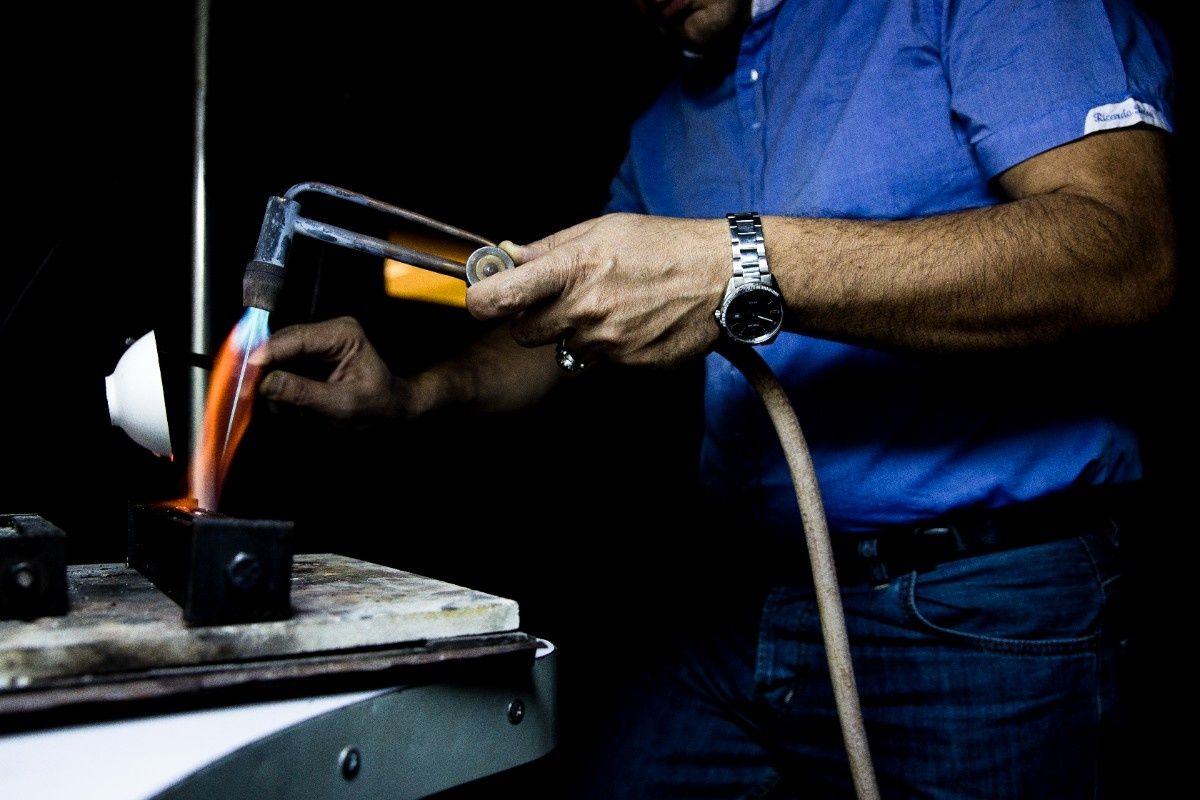
In simple terms, the machine converts electrical energy into mechanical vibrations. These vibrations are applied through a tool called a horn, which presses the materials together. The process is highly controlled, allowing manufacturers to achieve consistent results even in high-volume production environments.
Importance: Why Ultrasonic Welding Machines Matter Today
Ultrasonic welding machines play a critical role in modern manufacturing because they support efficiency, accuracy, and material integrity. As industries move toward lightweight designs, compact components, and automation-ready processes, traditional joining methods are often less suitable.
Key reasons this technology matters include:
-
It supports rapid production cycles without long cooling times
-
It reduces material stress compared to conventional thermal welding
-
It enables precise joining of delicate or miniature components
-
It works without adhesives, fasteners, or external fillers
These machines affect a wide range of sectors, including electronics, automotive components, medical devices, packaging, and consumer goods. For example, electronic assemblies often contain sensitive parts that cannot tolerate high temperatures. Ultrasonic welding allows these components to be joined securely without damage.
From a problem-solving perspective, ultrasonic welding addresses issues such as inconsistent weld quality, excessive energy usage, and contamination risks. It also aligns well with automated manufacturing systems, making it suitable for scalable production lines.
Recent Updates: Trends and Technical Developments
Recent developments in ultrasonic welding machines focus on precision control, digital integration, and material versatility. One notable trend is the increased use of advanced control systems that monitor parameters such as amplitude, pressure, and weld time in real time. This allows tighter tolerances and improved repeatability.
Another development is the broader application of ultrasonic welding to mixed and advanced materials. Research and industrial trials have expanded its use beyond traditional thermoplastics to include thin metals, composites, and layered structures. This is particularly relevant in lightweight engineering and electronics assembly.
There has also been progress in tool design. Modern horns and fixtures are engineered using simulation software to optimize vibration patterns, reduce wear, and extend operational life. Additionally, manufacturers are integrating data logging and connectivity features to support quality tracking and process optimization.
Laws or Policies: How Regulations Influence Usage
Ultrasonic welding machines are influenced indirectly by industrial safety, environmental protection, and manufacturing quality standards. While there are no universal rules governing ultrasonic welding itself, the machines must comply with general workplace safety requirements and equipment standards.
Relevant regulatory influences include:
-
Occupational safety guidelines for noise, vibration, and machine guarding
-
Environmental policies encouraging low-emission and low-waste manufacturing
-
Quality standards for product consistency and traceability
Because ultrasonic welding does not involve open flames or chemical substances, it aligns well with policies aimed at reducing workplace hazards and environmental impact. This has contributed to its broader acceptance in regulated manufacturing environments such as medical and electronics production.
Tools and Resources: Helpful Technical and Learning Aids
Understanding and applying ultrasonic welding machines effectively often requires access to specialized tools and reference materials. These resources support process design, troubleshooting, and operator training.
Commonly used tools and resources include:
-
Ultrasonic frequency calculators for system matching
-
Amplitude and weld-time monitoring software
-
Technical manuals and application guides from equipment manufacturers
-
Material compatibility charts for plastics and metals
-
Online learning platforms covering welding fundamentals and process control
Some production environments also use simulation tools to model vibration behavior and joint performance before physical testing. These tools help reduce trial-and-error and improve overall process reliability.
How Ultrasonic Welding Works in Practice
The ultrasonic welding process follows a clear sequence that ensures controlled energy transfer and consistent bonding.
Typical process steps include:
-
Components are positioned and clamped together
-
The horn applies pressure to the joint area
-
Ultrasonic vibrations are introduced for a set duration
-
Material softening or interfacial movement occurs
-
Vibrations stop and the joint solidifies under pressure
The entire cycle often takes only a few seconds, making it suitable for high-throughput applications.
Key Components of an Ultrasonic Welding Machine
| Component | Function |
|---|---|
| Power Supply | Converts standard electrical input into high-frequency energy |
| Transducer | Changes electrical energy into mechanical vibration |
| Booster | Adjusts vibration amplitude |
| Horn (Sonotrode) | Transfers vibrations to the workpiece |
| Fixture | Holds parts in correct alignment |
Each component must be carefully matched to ensure efficient energy transfer and stable operation.
Advantages and Technical Considerations
Ultrasonic welding machines offer several technical advantages, but their performance depends on proper setup and material selection.
Main advantages include:
-
Short cycle times
-
High repeatability
-
Minimal thermal distortion
-
Clean joints without residue
However, considerations include:
-
Material compatibility is critical
-
Tooling design affects weld quality
-
Excessive vibration can damage sensitive parts if not controlled
Understanding these factors is essential for achieving reliable outcomes.
FAQs: Common Questions About Ultrasonic Welding Machines
What materials can be joined using ultrasonic welding?
Ultrasonic welding is most effective with thermoplastics and thin, ductile metals. Material properties such as melting behavior and stiffness influence suitability.
Is ultrasonic welding suitable for automated production?
Yes. The process integrates well with automation systems due to its fast cycle times and precise control.
Does ultrasonic welding generate significant heat?
Heat is generated locally at the joint through friction, but overall temperature rise is low compared to traditional welding methods.
How strong are ultrasonic welds?
When properly designed, ultrasonic welds can approach the strength of the base material, especially in plastic components.
What factors affect weld quality the most?
Key factors include vibration amplitude, pressure, weld time, horn design, and material compatibility.
Practical Knowledge: Applications Across Industries
Ultrasonic welding machines are used wherever precise, repeatable joints are required.
Common application areas include:
-
Electrical connectors and cable assemblies
-
Medical disposables and enclosures
-
Automotive interior and sensor components
-
Packaging seals and closures
The process is particularly valued in applications where cleanliness and dimensional accuracy are essential.
Conclusion: Understanding the Role of Ultrasonic Welding Machines
Ultrasonic welding machines represent a refined approach to material joining, combining speed, precision, and controlled energy use. By using high-frequency vibrations instead of external heat or additives, they address many limitations of traditional welding techniques.
Their importance continues to grow as industries prioritize efficient manufacturing, compact designs, and reliable quality control. With ongoing improvements in digital monitoring, tooling design, and material compatibility, ultrasonic welding remains a relevant and practical solution for modern production environments.
For readers seeking clear technical knowledge, understanding how these machines work—and where they are best applied—provides valuable insight into contemporary manufacturing processes.