Explore Cold Storage Energy Efficiency
Cold storage energy efficiency refers to the methods, technologies, and operational strategies used to reduce electricity consumption in temperature-controlled warehouses and industrial refrigeration facilities. These facilities maintain specific temperature ranges for food processing, pharmaceuticals, agriculture, chemicals, and logistics. Because refrigeration systems operate continuously, they consume significant electrical power, making energy optimization a central concern for facility managers and policy makers.
Below is an educational overview of how energy efficiency works in cold storage environments, why it matters today, what recent updates have shaped the industry, and what tools and regulations influence best practices.
Understanding Cold Storage Energy Efficiency
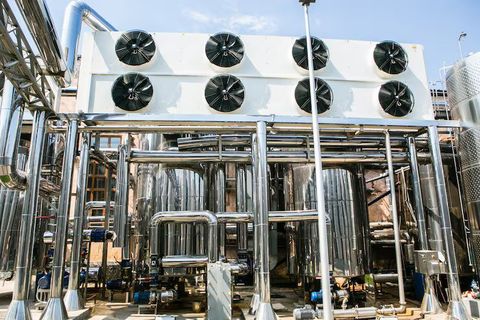
Cold storage facilities rely on industrial refrigeration systems to maintain temperatures that may range from mild cooling to deep freezing. These systems typically include:
-
Compressors
-
Condensers
-
Evaporators
-
Insulated panels
-
Temperature monitoring controls
-
Backup power systems
Energy efficiency exists to reduce operational electricity demand while maintaining temperature stability and product integrity. Large refrigerated warehouses often operate 24/7, making power usage one of their highest operational expenditures.
Energy efficiency strategies typically focus on:
-
Reducing heat gain through improved insulation
-
Upgrading to high-efficiency compressors
-
Installing variable speed drives (VSDs)
-
Optimizing airflow and defrost cycles
-
Integrating energy management systems (EMS)
-
Monitoring refrigeration load in real time
A simplified breakdown of energy consumption in a typical cold storage warehouse is shown below.
| Energy Use Component | Approximate Share (%) |
|---|---|
| Compressors | 50–65% |
| Fans and Air Circulation | 10–20% |
| Lighting | 5–10% |
| Defrost Systems | 5–10% |
| Other Equipment | 5–10% |
This distribution highlights why compressor optimization and smart refrigeration technology are often central to energy efficiency programs.
Why Cold Storage Energy Efficiency Matters Today
Cold chain infrastructure is expanding rapidly due to global food supply networks, vaccine distribution, and e-commerce grocery growth. As demand rises, so does electricity consumption.
Energy efficiency matters for several reasons:
Environmental Impact
Refrigeration systems contribute to carbon emissions both through electricity use and refrigerant leakage. Improving efficiency supports carbon emissions reduction and climate goals.
Operational Stability
Electricity price volatility affects operating budgets. Energy management systems help reduce peak demand and stabilize power usage patterns.
Food and Pharmaceutical Safety
Temperature fluctuations can damage products. Efficient systems often improve monitoring accuracy, reducing risk of spoilage or compliance violations.
Grid Pressure
In many countries, cold storage warehouses operate in industrial zones where electricity demand is already high. Efficient operations reduce grid strain during peak hours.
The global transition toward sustainable cold chain infrastructure has increased the importance of:
-
Renewable energy integration
-
Low-global-warming-potential refrigerants
-
Advanced insulation materials
-
Smart sensors and predictive analytics
Cold storage energy efficiency is no longer just a technical upgrade. It is becoming part of broader environmental, social, and governance (ESG) reporting and industrial sustainability frameworks.
Recent Updates and Industry Trends (2025–2026)
Over the past year, several trends have influenced industrial refrigeration systems and energy optimization practices.
Stricter Refrigerant Regulations
In 2025, multiple regions expanded restrictions on high-global-warming-potential (GWP) refrigerants under international climate agreements. Many facilities are transitioning to:
-
Ammonia-based systems
-
CO₂ refrigeration systems
-
Hydrofluoroolefin (HFO) alternatives
These systems often require updated engineering standards but can improve long-term efficiency.
Smart Monitoring and IoT Expansion
Between late 2025 and early 2026, adoption of IoT-based temperature and load monitoring increased significantly. Smart refrigeration platforms now allow:
-
Remote performance tracking
-
Automated defrost optimization
-
Energy analytics dashboards
-
Predictive maintenance alerts
These systems reduce energy waste caused by malfunctioning components.
Energy Storage Integration
Battery storage and thermal energy storage systems are increasingly used to shift refrigeration loads away from peak electricity hours. This approach improves energy efficiency and reduces peak demand charges.
Solar Integration in Industrial Facilities
Solar photovoltaic installations are being added to cold storage rooftops. Combined with energy-efficient compressors and HVAC optimization, facilities can partially offset electricity demand.
Digital Energy Audits
Energy audit software platforms launched in 2025 now use AI-based modeling to simulate energy performance under different operational scenarios. These tools help facility managers identify inefficiencies without interrupting operations.
A simplified comparison of traditional versus optimized systems is shown below.
| Feature | Traditional System | Optimized Smart System |
|---|---|---|
| Fixed-speed compressors | Yes | No |
| Real-time monitoring | Limited | Advanced IoT |
| Predictive maintenance | Minimal | Data-driven alerts |
| Energy analytics dashboard | Basic | Integrated EMS |
| Renewable integration | Rare | Increasingly common |
Laws, Regulations, and Government Programs
Cold storage energy efficiency is influenced by national energy regulations and environmental standards.
Energy Efficiency Standards
Many countries require industrial facilities to comply with minimum energy performance standards (MEPS). These standards often apply to:
-
Motors
-
Compressors
-
HVAC systems
-
Insulation materials
Climate Agreements
Under international climate frameworks, including the Kigali Amendment to the Montreal Protocol, countries are phasing down high-GWP refrigerants. This affects equipment design and refrigerant selection.
Carbon Reporting Requirements
Large industrial operators in several regions must now disclose greenhouse gas emissions. Improving refrigeration efficiency contributes directly to Scope 2 emissions reduction.
Energy Audit Mandates
Some jurisdictions require periodic industrial energy audits for high-consumption facilities. These audits assess refrigeration efficiency, airflow design, and insulation performance.
Government Incentive Programs
Certain governments support:
-
Solar panel integration
-
High-efficiency compressor upgrades
-
Thermal energy storage
-
Smart grid participation
While programs vary by country, they typically align with national energy conservation goals.
Compliance with environmental regulations is becoming a central driver of refrigeration modernization.
Tools and Resources for Improving Efficiency
Several tools and digital platforms help monitor and improve cold storage energy efficiency.
Energy Management Systems (EMS)
EMS platforms provide centralized dashboards to monitor refrigeration load, peak demand, and temperature stability.
IoT Temperature Monitoring Devices
Smart sensors track humidity, temperature, compressor cycles, and door activity in real time.
Energy Audit Calculators
Online energy modeling tools simulate energy savings from insulation upgrades, VSD installation, or compressor replacement.
Refrigeration Load Calculators
Engineering software helps determine cooling requirements based on storage volume, insulation quality, and external climate conditions.
Carbon Footprint Trackers
Digital tools estimate greenhouse gas emissions based on electricity usage and refrigerant type.
Building Information Modeling (BIM) Software
Used in new construction projects to simulate airflow efficiency and refrigeration load before facility completion.
A simplified illustration of how energy efficiency improvements may affect electricity usage is shown below.
Electricity Consumption (Illustrative Example)
Traditional System:
████████████████████
Optimized System:
██████████████
While actual savings vary by facility size and design, systematic upgrades can significantly reduce energy intensity.
Frequently Asked Questions
What is the main source of energy use in cold storage facilities?
Compressors typically account for the largest share of electricity consumption, often more than half of total energy use.
How does insulation affect energy efficiency?
Improved insulation reduces heat gain from outside air. This decreases compressor workload and stabilizes internal temperatures.
Are natural refrigerants more energy efficient?
Some natural refrigerants such as ammonia and CO₂ can improve efficiency depending on system design. However, performance depends on proper engineering and maintenance.
What is an energy audit in cold storage?
An energy audit is a structured evaluation of electricity consumption, refrigeration load, airflow patterns, and system performance. It identifies areas where efficiency can be improved.
Can renewable energy support cold storage operations?
Yes. Solar photovoltaic systems and battery storage can offset electricity demand, particularly during peak daylight hours.
Conclusion
Cold storage energy efficiency is a critical part of modern industrial infrastructure. Temperature-controlled warehouses support global food systems, pharmaceutical supply chains, and industrial logistics. As electricity demand and environmental regulations increase, optimizing refrigeration systems has become both an operational and environmental priority.
Recent advancements in smart refrigeration technology, IoT monitoring, and renewable energy integration are reshaping how facilities manage power consumption. At the same time, international climate agreements and national energy policies are influencing refrigerant selection and performance standards.