Water Heating Devices: A Complete Guide to Basics, Types, and Useful Insights
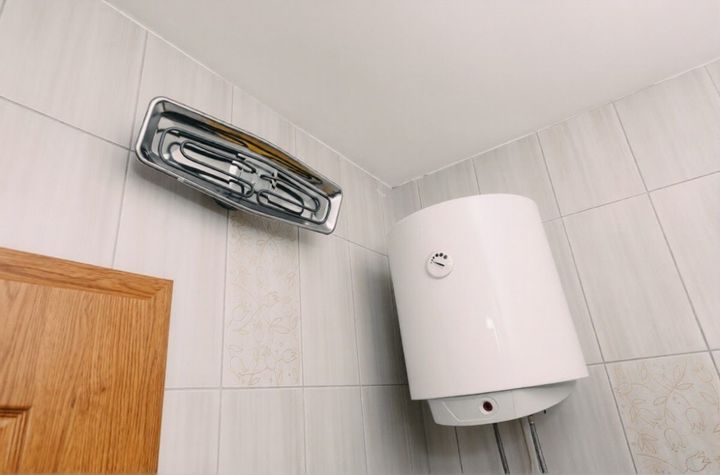
Water heating devices are appliances designed to increase the temperature of water for everyday use in homes, buildings, and industrial environments. Heated water plays an important role in daily routines such as bathing, cleaning, cooking, and sanitation. Because access to warm water improves comfort, hygiene, and efficiency, water heating technology has become a common part of modern infrastructure.
Water heating systems operate using different energy sources and mechanisms. Some devices heat water instantly when needed, while others store heated water in insulated tanks for later use. Advances in engineering and energy management have led to a wide variety of solutions suited for different climates, building sizes, and energy systems.
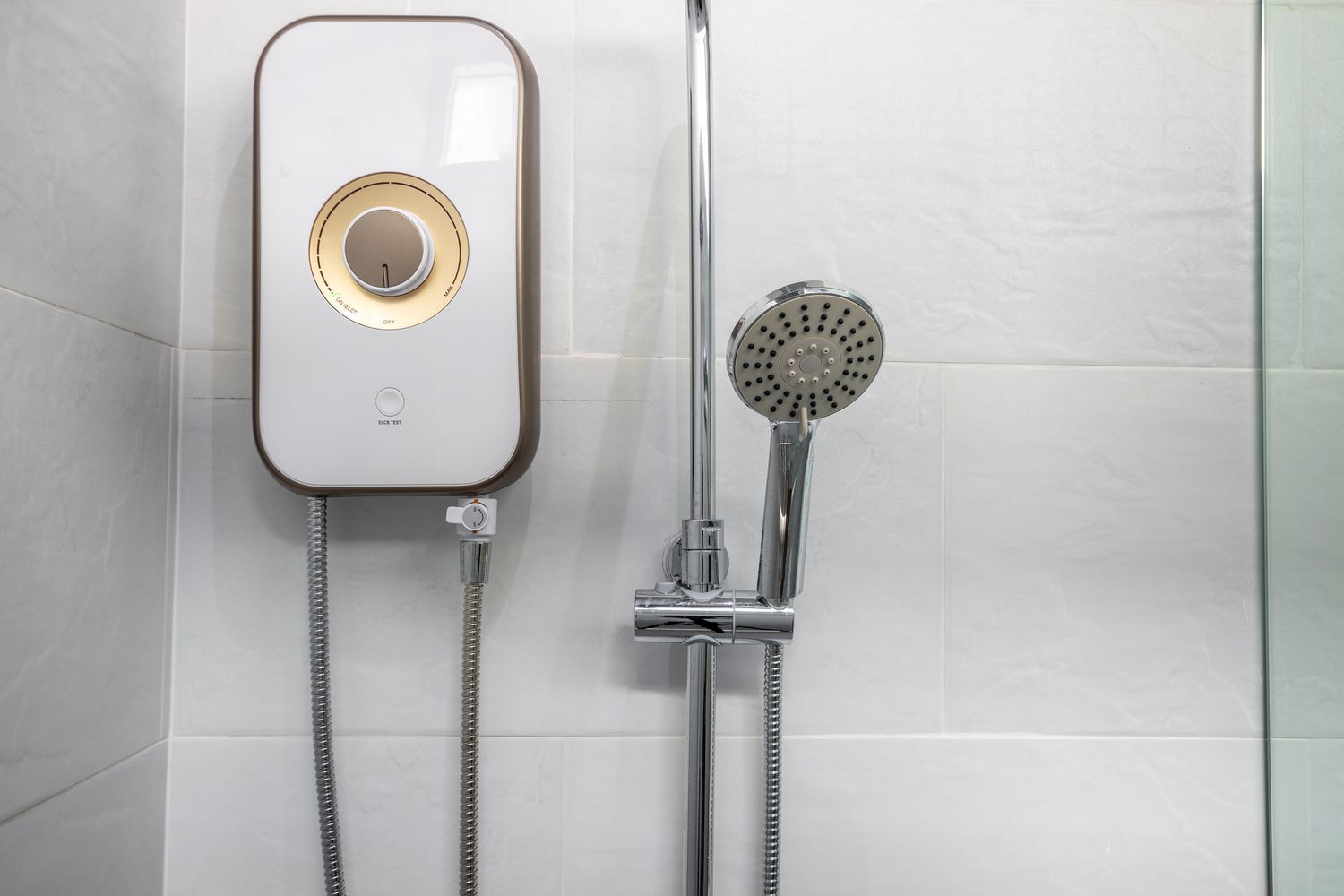
Understanding how these devices work can help people make informed decisions about energy usage, maintenance, and sustainability in everyday life.
Understanding Water Heating Devices and Why They Exist
Water heating devices were developed to solve a practical problem: natural water sources rarely provide water at temperatures comfortable for domestic use. Historically, water was heated manually using fire or stoves. Over time, mechanical and electrical solutions replaced these methods, allowing water to be heated more safely and efficiently.
Modern water heating systems are designed to maintain a reliable supply of hot water while minimizing energy consumption. Engineers focus on improving insulation, heat transfer methods, and automation controls to make systems more efficient and consistent.
Several factors influence the development of water heating technology:
-
Household demand for hot water in kitchens and bathrooms
-
Hygiene standards in hospitals, schools, and public facilities
-
Energy efficiency goals in building design
-
Industrial processes that require heated water
As urban infrastructure expands and building technologies evolve, water heating devices have become integrated into plumbing and energy systems. Many buildings now include centralized or distributed water heating systems designed to meet different usage patterns.
Why Water Heating Technology Matters Today
Water heating devices affect daily comfort, energy consumption, and environmental impact. In many buildings, heating water represents a significant portion of total energy usage. Because of this, improvements in heating efficiency can contribute to broader sustainability goals.
Reliable hot water access is also closely connected to public health and sanitation. Warm water supports cleaning, sterilization, and hygiene practices in both homes and public institutions.
Several groups are directly influenced by water heating technology:
-
Homeowners and tenants who rely on consistent hot water supply
-
Facility managers responsible for building infrastructure
-
Engineers and architects designing energy-efficient buildings
-
Public institutions such as hospitals, schools, and laboratories
Water heating systems also help solve practical challenges such as temperature control, energy efficiency, and water conservation.
The following table provides an overview of common types of water heating devices and their characteristics.
| Device Type | Basic Function | Common Use Case | Energy Source |
|---|---|---|---|
| Storage Tank Heater | Stores heated water in an insulated tank | Residential homes | Electricity, gas |
| Tankless Heater | Heats water instantly when needed | Apartments and modern homes | Electricity, gas |
| Heat Pump Heater | Transfers heat from surrounding air | Energy-efficient buildings | Electricity |
| Solar Water Heater | Uses solar collectors to heat water | Sunny climates | Solar energy |
| Hybrid Water Heater | Combines heat pump and storage tank | Larger households | Electricity |
Each type operates differently, which allows buildings to select a solution suited to their water demand and energy availability.
Emerging Trends and Recent Developments in Water Heating Technology
Water heating technology has evolved significantly as energy efficiency and environmental sustainability become more important in building design. Over the past year, several developments have influenced how water heating systems are designed and used.
One noticeable trend is the growing adoption of smart water heating systems. Many modern heaters now include digital thermostats, connectivity features, and monitoring tools that help manage energy consumption more precisely. These systems can adjust heating cycles based on usage patterns, improving efficiency and reducing unnecessary heating.
Another development involves improvements in heat pump water heater technology. New models have improved compressors and refrigerants that enhance performance even in cooler environments. This makes heat pump systems suitable for a wider range of climates and building types.
Solar-assisted water heating has also gained attention due to increasing interest in renewable energy integration. Hybrid systems that combine solar collectors with conventional heating elements help maintain consistent water temperatures while reducing reliance on conventional energy sources.
Researchers and manufacturers have also focused on improving insulation materials and corrosion-resistant tank designs. These improvements extend equipment lifespan and maintain consistent water temperatures for longer periods.
Regulatory and Policy Considerations
Water heating devices are often subject to energy efficiency standards and building regulations. Governments and regulatory bodies commonly establish guidelines to ensure appliances operate safely and minimize excessive energy consumption.
Regulatory frameworks typically address several aspects of water heating systems:
-
Minimum energy efficiency standards for appliances
-
Safety requirements related to pressure, temperature, and electrical components
-
Environmental guidelines related to emissions or refrigerants
-
Building codes governing installation and ventilation
Energy labeling programs are also widely used to help consumers understand how efficiently a water heater operates. These labels provide standardized information about energy performance, enabling comparisons between different systems.
In many regions, building efficiency programs encourage the use of energy-efficient heating technologies. These initiatives often promote improved insulation, renewable energy integration, and smart control systems.
Compliance with these regulations helps improve safety, reduce environmental impact, and ensure that water heating systems operate reliably over long periods.
Tools and Resources for Understanding Water Heating Systems
Several digital tools and resources help individuals, engineers, and facility managers understand water heating systems more effectively. These tools support tasks such as energy analysis, system planning, and performance monitoring.
Common resources include:
-
Energy consumption calculators that estimate household water heating usage
-
Building energy simulation tools used by architects and engineers
-
Smart home monitoring applications that track appliance performance
-
Educational platforms offering technical guides on heating technologies
-
Government energy efficiency portals that publish appliance standards
Some widely used categories of resources include:
• Energy Efficiency Calculators – Estimate the energy impact of different water heater types.
• Building Design Software – Used in construction planning and energy modeling.
• Smart Thermostat Applications – Monitor temperature settings and heating schedules.
• Technical Knowledge Platforms – Provide guides explaining heating system design.
• Maintenance Tracking Tools – Help monitor inspection schedules and system performance.
These resources allow users to better understand how heating systems operate and how efficiency improvements can be achieved.
Frequently Asked Questions About Water Heating Devices
What is the difference between tank and tankless water heaters?
Tank water heaters store heated water in an insulated reservoir and supply it when needed. Tankless heaters heat water instantly as it flows through the system, eliminating the need for a storage tank.
How do heat pump water heaters work?
Heat pump water heaters transfer heat from surrounding air into the water rather than generating heat directly. This process typically uses less electricity compared with traditional heating elements.
Are solar water heaters reliable?
Solar water heaters use sunlight to warm water through collector panels. Many systems include backup heating components to maintain consistent temperatures when sunlight is limited.
What factors influence water heater efficiency?
Efficiency can depend on insulation quality, heating technology, energy source, thermostat controls, and the amount of hot water used in a building.
How often should water heating systems be inspected?
Regular inspections help ensure proper operation and identify issues such as sediment buildup, corrosion, or thermostat malfunctions. Maintenance intervals may vary depending on the system design and usage level.
Conclusion
Water heating devices are an essential component of modern living, providing warm water for hygiene, comfort, and daily household activities. From traditional storage tanks to advanced heat pump and solar technologies, these systems have evolved to address changing energy needs and environmental priorities.
As buildings become more energy-conscious, water heating systems continue to improve through innovations in efficiency, automation, and renewable energy integration. Understanding the different types of devices, regulatory considerations, and available resources can help individuals and organizations manage water heating systems more effectively.