Guide To CNC Milling Machines Used in Precision Manufacturing
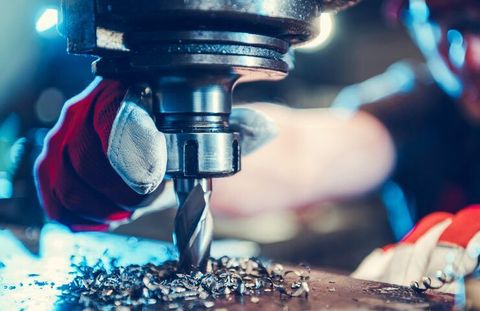
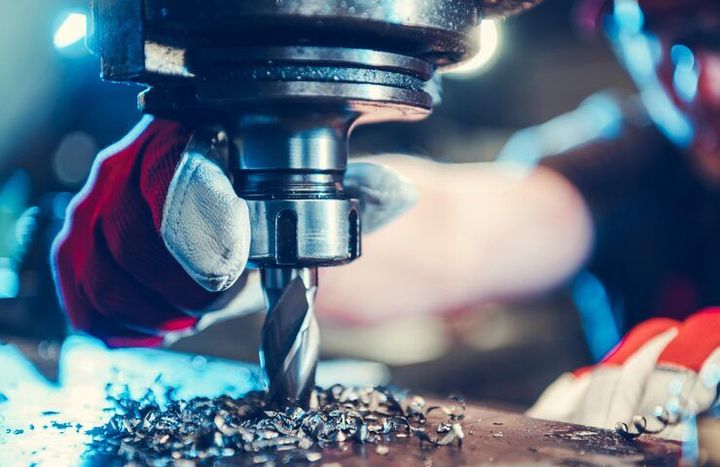
CNC milling machines are an essential part of modern precision manufacturing. CNC stands for Computer Numerical Control, a technology that allows machine tools to operate using digital instructions rather than manual control. These machines use computer-generated programs to guide cutting tools that shape metal, plastic, and other materials into accurate components.
Precision manufacturing focuses on producing parts with extremely tight tolerances and consistent quality. Industries such as aerospace, automotive, electronics, robotics, and medical device manufacturing rely heavily on CNC machining technology to create detailed and complex components.
Before CNC systems became common, machining tasks were mostly performed manually using traditional milling machines. Operators adjusted the cutting tool and workpiece position by hand, which made the process slower and less consistent. CNC technology changed this process by integrating computers, automated tool paths, and programmable instructions.
In a typical CNC milling process, a digital design created using CAD (Computer-Aided Design)software is converted into machining instructions through CAM (Computer-Aided Manufacturing)systems. These instructions control the movement of the cutting tool along multiple axes, allowing the machine to remove material precisely and repeatedly.
The evolution of multi-axis CNC milling machineshas further expanded the possibilities of precision manufacturing. Modern machines can operate on three, four, or five axes, enabling complex geometries that were previously difficult to produce.
Below is a simplified comparison of machining approaches used in manufacturing.
| Machining Type | Control Method | Precision Level | Typical Applications |
|---|---|---|---|
| Manual Milling | Operator controlled | Moderate | Basic fabrication |
| CNC Milling | Computer controlled | High | Precision components |
| Multi-Axis CNC | Advanced digital control | Very high | Aerospace and medical parts |
Why CNC Milling Machines Matter in Modern Manufacturing
Precision machining has become increasingly important in global manufacturing. Many industries require components that must fit together perfectly, operate under extreme conditions, or meet strict safety requirements. CNC milling machines help achieve this level of accuracy and consistency.
One key advantage of CNC machining systems is repeatability. Once a machining program is created, the same process can be repeated thousands of times with minimal variation. This capability is essential for manufacturing environments where standardized parts are required.
Another reason CNC milling technology is widely used is its ability to produce complex shapes. Multi-axis machining allows the cutting tool to approach the workpiece from different angles, enabling detailed contours and internal features.
Industries that depend heavily on high-precision machining include:
-
Aerospace engineering and aircraft component production
-
Automotive engine and transmission manufacturing
-
Medical device manufacturing and surgical instruments
-
Electronics and semiconductor equipment
-
Industrial robotics and automation systems
The following table shows common industries and the types of components produced using CNC milling.
| Industry | Typical CNC-Milled Components |
|---|---|
| Aerospace | Turbine blades, structural brackets |
| Automotive | Engine blocks, transmission housings |
| Medical | Orthopedic implants, surgical tools |
| Electronics | Heat sinks, device enclosures |
| Robotics | Precision gears, actuator housings |
Advanced manufacturing technology has also improved efficiency. CNC machines can operate with minimal human intervention while maintaining high levels of accuracy. Integrated sensors and monitoring systems help ensure that machining processes remain stable and precise.
This shift toward digital manufacturing systems has also contributed to the growth of smart factories, where machines communicate with software platforms to track production data and optimize workflows.
Recent Developments and Trends in CNC Machining Technology
The past year has seen several developments in the field of CNC machining and precision manufacturing. These changes reflect broader trends in automation, artificial intelligence, and digital manufacturing systems.
One major trend is the integration of Industry 4.0 technologiesinto machining environments. Smart manufacturing systems allow CNC machines to connect with cloud platforms, industrial sensors, and data analytics software.
In 2025, several manufacturing technology conferences highlighted the increasing use of machine learning for predictive maintenance. Sensors embedded in CNC machines collect operational data that can help detect tool wear, vibration patterns, or performance changes before they affect production.
Another development involves improvements in five-axis CNC milling machines. These machines can perform complex operations in a single setup, reducing the need for repositioning parts during machining. This capability improves accuracy and reduces manufacturing time.
Additive and subtractive manufacturing integration has also gained attention. Some advanced manufacturing centers now combine CNC milling with industrial 3D printing systems, enabling hybrid production workflows.
The chart below illustrates key trends in advanced manufacturing technology adoption between 2023 and 2025.
| Technology | Adoption Trend |
|---|---|
| Smart Factory Monitoring | Increasing |
| Multi-Axis CNC Systems | Increasing |
| Hybrid Manufacturing | Emerging |
| AI-Based Maintenance | Increasing |
| Digital Twin Simulation | Emerging |
Another development is the use of digital simulation tools. Engineers can simulate machining operations before production begins, helping identify potential errors and optimize cutting strategies.
These trends demonstrate how CNC machining continues to evolve as part of a broader transformation in industrial automation and digital manufacturing.
Regulatory Framework and Industrial Policies Affecting CNC Manufacturing
Precision manufacturing and CNC machining technology are influenced by several regulatory frameworks and industry standards. These regulations help ensure safety, quality, and environmental compliance across manufacturing facilities.
Many countries adopt international standards developed by organizations such as the International Organization for Standardization (ISO). ISO standards related to machining processes include guidelines for machine tool accuracy, quality management systems, and manufacturing safety.
Industrial safety regulations are also important in machining environments. CNC milling machines involve high-speed cutting tools and rotating equipment, which means strict safety procedures are required to protect operators and maintain safe working conditions.
Environmental regulations can also influence machining operations. Manufacturing facilities often follow guidelines related to:
-
Coolant and lubricant management
-
Industrial waste handling
-
Energy efficiency standards
-
Noise and workplace safety limits
Government programs supporting advanced manufacturing technology are also becoming more common. Several countries have introduced initiatives that encourage digital manufacturing, automation systems, and research in precision engineering.
For example, manufacturing technology programs launched in 2024 and 2025in various industrial regions have focused on:
-
Promoting smart factory infrastructure
-
Supporting robotics and automation research
-
Expanding training programs in CNC machining and industrial engineering
These initiatives aim to strengthen manufacturing capabilities and support technological innovation within industrial sectors.
Tools and Resources Used in CNC Precision Manufacturing
A wide range of digital tools and industrial resources support CNC machining processes. These technologies help engineers design components, simulate machining operations, and monitor manufacturing performance.
Common categories of tools used in CNC-based manufacturing include design software, simulation platforms, and machine monitoring systems.
Examples of commonly used tools include:
-
CAD softwarefor creating detailed component designs
-
CAM softwarefor generating machining tool paths
-
CNC machine monitoring dashboards for tracking performance
-
Toolpath simulation platforms used to verify machining processes
-
Digital manufacturing databases containing material and tooling information
The table below summarizes typical software and resources used in CNC machining workflows.
| Tool Category | Purpose |
|---|---|
| CAD Systems | Create digital part designs |
| CAM Software | Convert designs into machining instructions |
| Simulation Platforms | Test machining operations before production |
| Machine Monitoring Tools | Track equipment performance |
| Industrial Data Platforms | Manage manufacturing information |
Online learning platforms and technical documentation repositories also help engineers and students understand CNC machining principles, programming methods, and precision engineering techniques.
Manufacturing research organizations frequently publish technical reports that explain machining strategies, tool materials, and optimization techniques used in advanced manufacturing environments.
Frequently Asked Questions About CNC Milling Machines
What is a CNC milling machine?
A CNC milling machine is a computer-controlled manufacturing tool that uses rotating cutting tools to remove material from a workpiece. The machine follows digital instructions generated from CAD and CAM software.
How does CNC milling differ from manual machining?
Manual machining requires operators to control the machine directly. CNC milling uses programmed instructions that automatically guide the cutting tool, improving accuracy and repeatability.
What industries commonly use CNC machining technology?
CNC machining is widely used in aerospace manufacturing, automotive engineering, electronics production, robotics, and medical device manufacturing.
What is multi-axis machining?
Multi-axis machining refers to CNC machines capable of moving the cutting tool along multiple directions or axes. Five-axis machines are commonly used to produce complex geometries and precision components.
Why is CNC machining important for precision manufacturing?
CNC machining allows manufacturers to produce parts with very tight tolerances, consistent quality, and complex shapes. This capability is essential for industries that require highly accurate components.
Conclusion
CNC milling machines play a central role in modern precision manufacturing. By combining computer-controlled machining with advanced manufacturing technology, these systems enable industries to produce accurate and complex components with high consistency.
The integration of CAD CAM manufacturing systems, multi-axis machining technology, and smart factory automation has transformed the way industrial products are designed and produced. Recent developments in artificial intelligence, predictive maintenance, and hybrid manufacturing continue to shape the future of CNC machining.