Essential Tips to Master Industrial Electrical Protection in Modern Facilities
Industrial electrical protection refers to the systems, devices, and practices used to safeguard electrical equipment, power distribution networks, and personnel in industrial environments.
Facilities such as manufacturing plants, processing units, warehouses, and infrastructure sites rely on complex electrical systems that operate continuously to support production and automation.
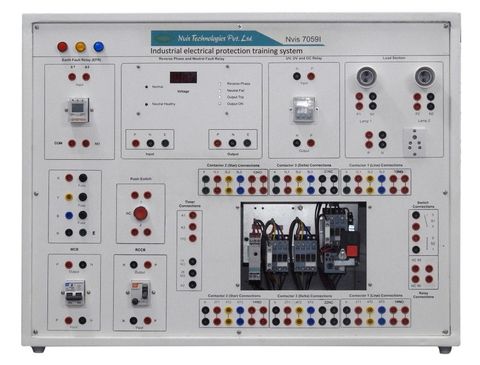
Because industrial electrical networks carry high voltage and large electrical loads, protection mechanisms are essential to detect faults, isolate damaged circuits, and prevent equipment damage or operational interruptions. Electrical protection systems are typically integrated into switchgear panels, motor control centers, power transformers, and distribution boards.
The main goal of industrial electrical protection is to identify abnormal electrical conditions quickly and respond automatically. These conditions may include short circuits, overloads, ground faults, voltage fluctuations, and equipment failures.
Common components used in modern protection systems include:
-
Circuit breakers
-
Protective relays
-
Fuses
-
Surge protection devices
-
Ground fault protection systems
-
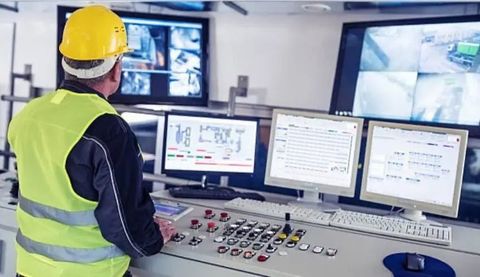
Monitoring and control systems
In modern facilities, electrical protection has evolved beyond simple fuse-based safety mechanisms. Digital protection relays, real-time monitoring platforms, and automated shutdown systems now allow engineers to identify electrical faults within milliseconds.
Industrial electrical protection also supports the broader concept of power system reliability, ensuring that production lines, data systems, and automated equipment continue operating safely without major interruptions.
Why Industrial Electrical Protection Matters Today
Industrial operations increasingly depend on automation, robotics, and digitally controlled machinery. These technologies rely heavily on stable electrical power systems. Even minor electrical disturbances can disrupt entire production processes.
Without effective protection mechanisms, electrical faults can lead to equipment damage, production downtime, or safety hazards for workers.
Modern industrial electrical protection helps address several key challenges:
-
Preventing equipment damage from short circuits and overloads
-
Maintaining electrical system reliability in high-demand facilities
-
Reducing downtime caused by electrical faults
-
Protecting personnel from electrical hazards
-
Supporting compliance with electrical safety standards
The importance of electrical protection has grown as industries adopt advanced technologies such as Industrial Internet of Things (IIoT), smart manufacturing, and automated control systems.
Large industrial facilities often operate with multiple voltage levels, including low voltage distribution systems, medium voltage switchgear, and high-power motor drives. Protection strategies must be carefully coordinated across these systems to ensure proper fault detection and isolation.
The following table highlights common electrical faults and their potential impact on industrial systems.
| Electrical Fault Type | Description | Potential Impact |
|---|---|---|
| Short Circuit | Direct connection between conductors | Equipment damage |
| Overload | Excess current for extended time | Motor overheating |
| Ground Fault | Current flow to ground path | Safety hazards |
| Voltage Surge | Sudden increase in voltage | Electronics damage |
| Phase Imbalance | Uneven voltage across phases | Reduced motor life |
By implementing effective electrical protection systems, industrial facilities can improve both operational reliability and workplace safety.
Recent Developments in Industrial Electrical Protection
Over the past year, several developments have influenced the design and management of electrical protection systems in industrial environments.
One notable trend in 2024 and early 2025 has been the growing adoption of digital protection relays. These devices provide advanced monitoring capabilities, allowing engineers to analyze electrical faults, system performance, and energy quality through digital dashboards.
Another major development is the integration of smart grid technologies into industrial power systems. Smart grid solutions allow facilities to communicate with energy providers, manage power loads efficiently, and improve overall energy resilience.
Industrial facilities are also increasingly implementing predictive maintenance technologies. Sensors and monitoring systems collect data from electrical equipment and use analytics to identify potential failures before they occur.
Recent technological advancements include:
-
Cloud-based electrical monitoring platforms
-
AI-supported fault detection systems
-
Real-time energy analytics tools
-
Digital twin models for electrical infrastructure
-
Advanced arc flash detection systems
The chart below illustrates a simplified trend showing how modern protection technologies are gradually replacing traditional systems in industrial facilities.
| Year | Traditional Protection Usage | Smart Protection Systems |
|---|---|---|
| 2018 | High | Low |
| 2021 | Moderate | Moderate |
| 2024 | Declining | Increasing |
| 2025 | Lower | High adoption |
These developments reflect a broader shift toward intelligent infrastructure and automated power management within industrial environments.
Regulations and Safety Standards Affecting Electrical Protection
Industrial electrical protection systems are influenced by various regulations, safety codes, and technical standards. These frameworks ensure that electrical installations are designed and maintained in a safe and reliable manner.
In many countries, electrical safety guidelines are based on international standards developed by organizations such as the International Electrotechnical Commission (IEC) and the Institute of Electrical and Electronics Engineers (IEEE).
Important electrical protection standards include:
-
IEC 60255 – Protective relays and protection equipment
-
IEC 60364 – Low-voltage electrical installations
-
IEEE 242 – Protection and coordination of industrial power systems
-
NFPA 70 – National Electrical Code guidelines
-
NFPA 70E – Electrical safety in the workplace
In India, industrial electrical safety is also guided by regulations from the Central Electricity Authority (CEA) and the Indian Electricity Rules. These regulations focus on:
-
Safe electrical installations
-
Protection system coordination
-
Earthing and grounding requirements
-
Inspection and maintenance protocols
Compliance with these regulations helps reduce risks associated with electrical hazards and ensures that facilities maintain safe operating environments.
Industrial engineers and facility managers typically conduct protection coordination studies to verify that protective devices operate in the correct sequence during faults. These studies are an important part of electrical safety planning and regulatory compliance.
Tools and Resources for Industrial Electrical Protection
Several digital tools, engineering software platforms, and technical resources help professionals design, analyze, and maintain electrical protection systems.
These tools assist engineers in performing fault calculations, relay coordination studies, power quality analysis, and system monitoring.
Common categories of electrical protection tools include:
Electrical System Design Software
-
ETAP power system analysis platform
-
DIgSILENT PowerFactory
-
SKM Power Tools
Electrical Monitoring and Analytics
-
Industrial energy monitoring dashboards
-
Smart power meters
-
Power quality analyzers
Protection Coordination Calculators
-
Short circuit calculation tools
-
Relay coordination software
-
Arc flash analysis platforms
Technical Learning Resources
-
Electrical engineering training portals
-
Industry technical documentation
-
Standards libraries from IEC and IEEE
The table below summarizes key types of resources used in electrical protection planning.
| Resource Type | Purpose | Typical Users |
|---|---|---|
| Power System Software | Fault analysis and design | Electrical engineers |
| Monitoring Platforms | Real-time electrical data | Facility managers |
| Protection Calculators | Relay coordination | Power system planners |
| Technical Standards | Safety compliance | Engineers and inspectors |
These tools help industrial facilities maintain efficient and safe electrical infrastructure.
Frequently Asked Questions About Industrial Electrical Protection
What is the main purpose of industrial electrical protection?
The main purpose is to detect electrical faults and isolate affected equipment to prevent damage, power interruptions, or safety hazards within industrial power systems.
What devices are commonly used for electrical protection in industrial facilities?
Common protection devices include circuit breakers, fuses, protective relays, surge protection devices, ground fault protection systems, and monitoring systems.
What is protection coordination in electrical systems?
Protection coordination ensures that protective devices operate in the correct order during faults. This helps isolate only the affected part of the system while keeping the rest of the facility operational.
How do digital protection relays improve electrical safety?
Digital relays provide faster fault detection, real-time monitoring, event recording, and remote diagnostics, allowing engineers to respond quickly to electrical issues.
Why are arc flash protection systems important?
Arc flash protection systems detect dangerous electrical arcs and rapidly disconnect power to reduce the risk of injury, equipment damage, and fire hazards.
Conclusion
Industrial electrical protection plays a critical role in maintaining safe and reliable power systems within modern facilities. As industrial operations continue to adopt automation, digital monitoring technologies, and advanced power infrastructure, the need for effective electrical protection strategies has become increasingly important.
By implementing coordinated protection systems, modern monitoring technologies, and industry safety standards, facilities can reduce the risk of electrical faults and improve operational stability.
Ongoing developments in smart protection systems, predictive maintenance technologies, and digital power monitoring platforms are transforming how industrial electrical networks are managed.