How-to Choose the Best Telemedicine Platform: Step-by-Step Tips, Tricks & Expert Recommendations for Patients & Providers
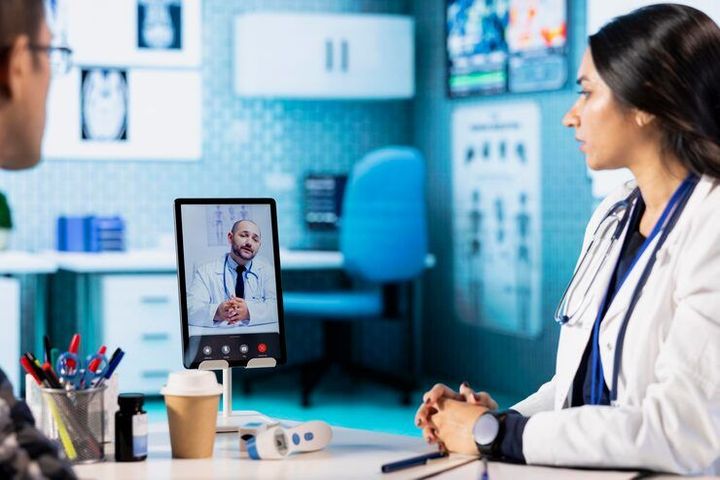
Telemedicine platforms are digital systems that allow patients and healthcare professionals to communicate remotely using video consultations, secure messaging, digital medical records, and remote monitoring tools. These platforms are designed to support virtual healthcare delivery, enabling clinical consultations without requiring patients to visit hospitals or clinics physically.
Over the past decade, digital health technology has expanded rapidly due to improvements in internet connectivity, cloud computing, and mobile health applications. Telemedicine platforms combine several healthcare technologies into a single system, such as:
-
Video consultation systems for patient-doctor interaction
-
Electronic health record (EHR) integration
-
Appointment scheduling tools
-
Remote patient monitoring devices
-
Secure messaging and data sharing
The primary goal of telemedicine technology is to make healthcare communication easier, faster, and more accessible. Both patients and healthcare providers use telehealth platforms to manage appointments, monitor chronic conditions, and maintain consistent medical communication.
Modern telemedicine software solutions are widely used in hospitals, clinics, rural healthcare networks, and independent medical practices. These systems help healthcare organizations expand digital healthcare services while maintaining secure patient information management.
Why Choosing the Right Telemedicine Platform Matters
The selection of a telemedicine platform affects several aspects of healthcare delivery, including patient experience, clinical efficiency, and data security. As digital healthcare adoption continues to grow, both patients and providers must evaluate platforms carefully.
Several key factors explain why this topic has become increasingly important.
Patient accessibility and convenience are major considerations. Virtual healthcare platforms allow individuals in remote areas or those with mobility challenges to connect with healthcare professionals without travel. This improves healthcare accessibility and reduces delays in consultation.
Healthcare efficiency also improves through telehealth software systems. Providers can manage appointments, follow up with patients, and review digital records through integrated tools. This can streamline workflow and reduce administrative complexity.
Security and compliance are critical concerns as well. Healthcare data includes sensitive personal information, which must be protected through encrypted communication channels and regulatory compliance frameworks.
The right telemedicine platform can help address challenges such as:
-
Limited access to healthcare facilities in rural regions
-
Long waiting times for consultations
-
Difficulty managing chronic conditions requiring regular monitoring
-
Communication gaps between patients and healthcare professionals
Digital healthcare solutions are becoming a fundamental part of modern medical infrastructure, making the selection process increasingly relevant for healthcare organizations and individuals.
Recent Developments and Trends in Telemedicine Platforms
Telemedicine technology has evolved significantly during the past year, with several notable trends shaping the industry.
Artificial intelligence integration has become more common in telehealth platforms. AI tools are now used to assist with patient triage, appointment scheduling, and preliminary symptom assessment. Many digital health platforms introduced AI-driven clinical documentation tools during 2024 and early 2025 to help providers manage patient records more efficiently.
Remote patient monitoring systems have also expanded. Wearable medical devices and connected health sensors allow healthcare providers to track vital signs such as heart rate, blood pressure, and glucose levels remotely. These devices integrate with telemedicine software to create continuous patient monitoring environments.
Another trend is improved interoperability between telehealth systems and electronic health records. In 2025, several healthcare technology standards organizations emphasized better data exchange frameworks, enabling medical information to move more easily between different healthcare systems.
Regulatory updates have also influenced telemedicine usage. Some countries expanded digital healthcare programs following the increased adoption of telehealth services during the pandemic period. Governments and healthcare regulators continue to refine guidelines around virtual consultations, data protection, and reimbursement structures.
Additionally, mobile health applications have become a primary access point for telemedicine services. Many platforms now prioritize mobile-first design to ensure patients can attend video consultations using smartphones or tablets.
These developments indicate that telemedicine platforms are transitioning from temporary digital solutions to long-term components of healthcare delivery systems.
Legal and Regulatory Considerations for Telemedicine Platforms
Telemedicine platforms operate within regulatory frameworks designed to protect patient privacy, ensure medical quality, and maintain secure data management.
One of the most important aspects is healthcare data protection. Many telemedicine platforms must comply with international healthcare privacy standards such as:
| Regulation | Region | Purpose |
|---|---|---|
| HIPAA (Health Insurance Portability and Accountability Act) | United States | Protects patient medical records and health information |
| GDPR (General Data Protection Regulation) | European Union | Governs personal data privacy and digital data protection |
| Digital Information Security in Healthcare Act (DISHA – proposed) | India | Intended to regulate electronic health records and data protection |
These regulations require telehealth platforms to implement strong security measures, including encrypted communication channels, secure data storage, and controlled access to medical records.
Licensing requirements also play an important role. Healthcare providers typically must hold valid medical licenses in the region where patients receive care. Some telemedicine platforms incorporate provider verification systems to ensure compliance with medical licensing rules.
Government healthcare programs can also influence telemedicine adoption. In several countries, national digital health initiatives encourage the use of telehealth technologies to improve healthcare access and infrastructure.
Understanding these regulatory frameworks is essential for selecting a telemedicine platform that aligns with legal requirements and patient privacy protections.
Tools and Digital Resources for Telemedicine Platform Evaluation
When evaluating telemedicine platforms, both patients and healthcare providers can use various digital tools and resources to assess features, security standards, and usability.
Several types of tools help simplify the decision-making process.
Telehealth platform comparison tools
Online comparison dashboards allow users to evaluate telemedicine platforms based on features such as video quality, electronic health record integration, and remote monitoring capabilities.
Healthcare compliance checklists
Compliance checklists help healthcare organizations confirm whether a telemedicine platform meets relevant privacy and security standards. These checklists typically include encryption protocols, access control systems, and audit logging features.
Remote patient monitoring dashboards
These systems integrate wearable health devices with digital healthcare platforms, allowing providers to track patient health metrics in real time.
Healthcare technology review websites
Independent technology review platforms analyze digital health software, presenting objective evaluations of telemedicine platforms and healthcare IT infrastructure.
A simplified feature comparison table illustrates common capabilities found in modern telemedicine systems.
| Feature | Purpose in Telemedicine Platforms |
|---|---|
| Secure Video Consultation | Enables virtual patient-doctor communication |
| Electronic Health Record Integration | Centralized patient data management |
| Appointment Scheduling Tools | Organizes consultations and follow-ups |
| Remote Patient Monitoring | Tracks health metrics through connected devices |
| Secure Messaging Systems | Supports ongoing patient communication |
Selecting a platform typically involves reviewing these tools, evaluating integration options, and ensuring compatibility with existing healthcare systems.
Common Questions About Telemedicine Platforms
What is a telemedicine platform?
A telemedicine platform is a digital healthcare system that allows remote communication between patients and healthcare providers through video consultations, messaging tools, and electronic health records.
What features are important in a telehealth platform?
Important features include secure video communication, electronic health record integration, remote patient monitoring support, appointment scheduling tools, and strong data security systems.
How do telemedicine platforms protect patient data?
Most telehealth platforms use encryption, secure data storage, authentication controls, and regulatory compliance frameworks such as HIPAA or GDPR to protect medical information.
Can telemedicine platforms support chronic disease management?
Yes. Many telehealth platforms integrate remote patient monitoring devices that track vital signs and health metrics, allowing healthcare providers to monitor conditions such as diabetes or hypertension remotely.
Are telemedicine platforms used only by hospitals?
No. Telemedicine systems are used by hospitals, clinics, independent medical professionals, mental health providers, and public healthcare networks.
Final Thoughts on Choosing a Telemedicine Platform
Telemedicine platforms represent a significant shift in how healthcare services are delivered and managed. As digital health technologies continue to evolve, remote consultation systems, patient monitoring tools, and integrated healthcare software are becoming essential components of modern medical infrastructure.
Choosing a telemedicine platform involves evaluating several important factors, including security compliance, platform usability, integration with existing healthcare systems, and support for remote patient monitoring technologies.