Digital Fashion in the Metaverse: Explore Basics, Knowledge and Key Insights
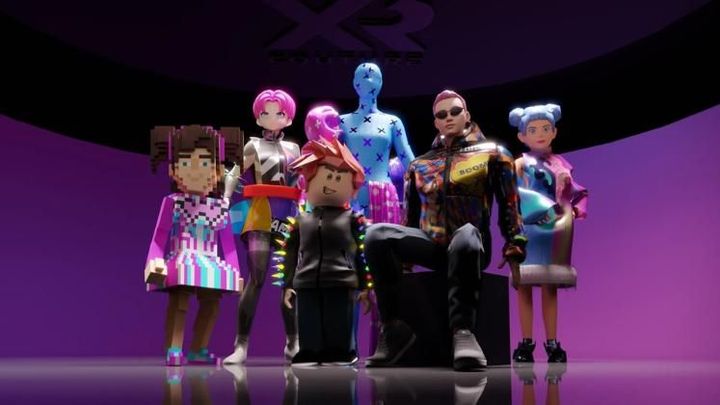
Digital fashion in the metaverse refers to clothing and accessories designed specifically for virtual environments. These garments exist as digital assets rather than physical products and are used by avatars in online spaces such as virtual worlds, gaming platforms, and immersive social environments.
The concept developed as virtual spaces expanded beyond gaming into social interaction, entertainment, and digital identity. In these environments, avatars represent users, and digital clothing helps express style, personality, and creativity.
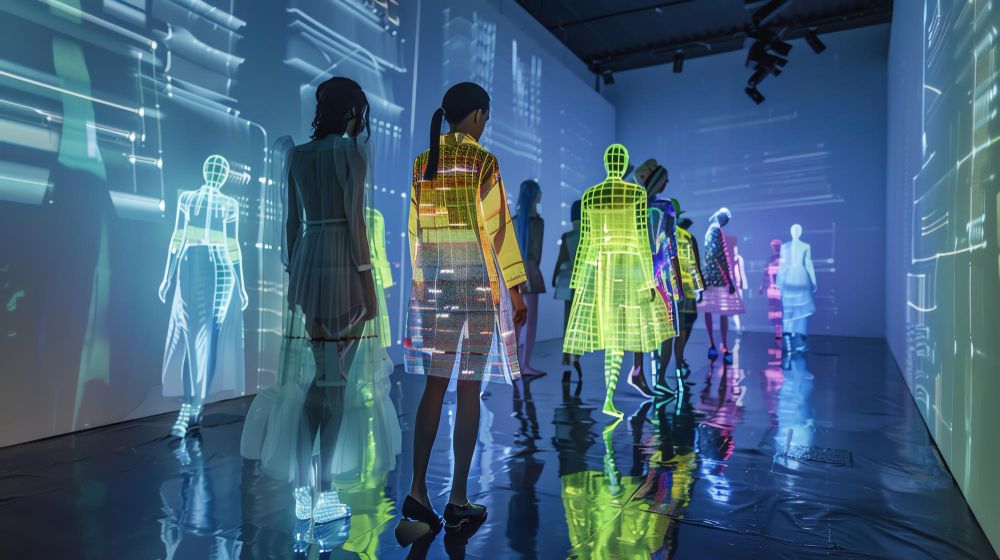
Unlike traditional apparel, digital garments are created using 3D design software and stored as digital files or blockchain-based assets. Designers build them with textures, animation capabilities, and compatibility with virtual platforms. These outfits can include everyday styles, fantasy designs, or futuristic clothing that would be difficult or impossible to produce physically.
Digital fashion exists within broader metaverse ecosystems that combine augmented reality, virtual reality, and online platforms. The rise of immersive digital spaces has encouraged creators, designers, and technology developers to explore new ways of representing fashion without physical materials.
Common characteristics of digital fashion include:
-
3D-designed garments for avatars
-
Virtual accessories and wearable items
-
Animated or interactive clothing
-
Integration with virtual worlds or gaming environments
-
Digital ownership through blockchain or platform accounts
These features make digital fashion part of a larger movement toward digital identity and virtual self-expression.
Why Digital Fashion Matters Today
Digital fashion has become relevant because people increasingly spend time in online environments for entertainment, communication, education, and collaboration. In these spaces, visual identity plays a role similar to physical appearance in real life.
Avatars function as digital representations of users. Clothing and accessories help personalize those avatars and communicate social identity within virtual communities.
The importance of digital fashion extends across several industries:
-
Gaming: Players customize characters with outfits and skins.
-
Entertainment: Virtual concerts and events use avatar styling.
-
Social platforms: Users express identity through digital appearance.
-
Design education: Fashion students explore virtual design tools.
-
Technology innovation: New software and rendering technologies support digital clothing creation.
Digital fashion also addresses several practical challenges faced by traditional fashion systems.
Environmental concerns
Traditional apparel production can involve large resource consumption, including water, textiles, and transportation. Digital garments exist entirely in virtual form, reducing material waste.
Creative experimentation
Designers can experiment with materials, shapes, or physics that may not be possible in real-world manufacturing. For example, floating fabrics or light-based textures can be created digitally.
Cross-platform digital identity
As virtual environments expand, users often maintain consistent avatar identities across multiple platforms. Digital fashion helps maintain visual identity within those ecosystems.
Emerging digital economies
Virtual environments have created markets for digital assets, including avatar clothing and accessories. These ecosystems involve designers, 3D artists, developers, and digital creators.
The impact of digital fashion therefore goes beyond clothing—it represents a shift in how fashion, technology, and identity intersect in digital environments.
Recent Trends and Developments in Digital Fashion
Over the past year, digital fashion has evolved alongside advancements in virtual worlds, gaming ecosystems, and digital asset technologies.
Several trends have shaped the space.
Growth of AI-assisted fashion design
Artificial intelligence tools are increasingly used to generate garment concepts, textures, and patterns. AI-based modeling helps designers create variations quickly and test designs in virtual environments.
Expansion of interoperable avatars
Technology companies and gaming platforms have explored ways to allow avatars and digital clothing to move across different virtual spaces. Interoperability aims to ensure that a digital outfit created for one environment may function in another.
Real-time 3D rendering improvements
New rendering engines and graphics technologies allow digital garments to move naturally with avatars. Fabric simulation, lighting effects, and animation have improved realism.
Virtual fashion events
Online fashion shows and virtual exhibitions have appeared in digital environments. Designers showcase digital garments on avatars rather than physical models.
Blockchain-based ownership
Some digital fashion assets are stored on blockchain networks to verify authenticity and ownership. This approach connects digital clothing with broader discussions about digital assets and decentralized technologies.
The following table highlights common technological elements behind digital fashion.
| Technology | Role in Digital Fashion | Example Use |
|---|---|---|
| 3D Modeling Software | Creates digital garments | Avatar clothing design |
| Game Engines | Render virtual clothing in real time | Virtual worlds and games |
| AI Design Tools | Generate textures and patterns | Concept design |
| Blockchain | Record digital ownership | Asset verification |
| AR/VR Platforms | Display clothing in immersive spaces | Virtual try-ons |
These developments continue to shape how digital fashion interacts with the broader metaverse ecosystem.
Regulatory and Policy Considerations
Digital fashion operates within broader digital technology frameworks. While there are no universal regulations specifically dedicated to digital clothing, several policy areas influence how the industry functions.
Intellectual property protection
Digital garments, textures, and designs are creative works. Copyright and intellectual property rules apply to protect original designs from unauthorized copying or distribution.
Digital asset classification
Some digital fashion items may be treated as digital assets depending on how they are stored or traded. Regulations surrounding digital assets and online marketplaces may influence these environments.
Consumer protection guidelines
Online platforms hosting virtual assets may implement transparency rules regarding digital ownership, asset usage rights, and platform policies.
Data protection frameworks
Digital fashion platforms often collect user data for avatars, design tools, and digital environments. Data protection laws affect how this information is stored and managed.
Platform governance policies
Many metaverse environments operate under platform-specific rules governing digital content creation, intellectual property, and user behavior.
These frameworks aim to ensure that digital environments maintain transparency, intellectual property protection, and user safety.
Tools and Resources for Digital Fashion
Several technologies and platforms support the creation and use of digital garments in virtual environments. These tools help designers build, animate, and integrate clothing into metaverse platforms.
3D design and modeling tools
-
CLO 3D
-
Marvelous Designer
-
Blender
-
Autodesk Maya
These programs allow designers to simulate fabrics, stitch patterns, and garment movement.
Game engines and virtual environments
-
Unity
-
Unreal Engine
Game engines help render digital clothing in interactive virtual worlds and gaming environments.
AI-based design tools
Artificial intelligence tools assist with generating patterns, textures, and concept designs for digital garments.
Digital asset management platforms
Some platforms manage avatar assets, digital identities, and wearable items across virtual spaces.
Learning resources
-
Online courses in 3D modeling
-
Virtual fashion design communities
-
Digital art tutorials and documentation
Frequently Asked Questions
What is digital fashion in simple terms?
Digital fashion refers to clothing created for virtual environments instead of the physical world. These garments are worn by avatars in virtual platforms, games, and metaverse spaces.
How are digital clothes created?
Designers use 3D modeling software to build garments digitally. Tools simulate fabrics, textures, lighting, and movement to make clothing appear realistic when worn by avatars.
Can digital fashion exist without the metaverse?
Yes. Digital garments can also appear in gaming platforms, augmented reality experiences, or virtual social spaces. The metaverse concept simply connects multiple virtual environments together.
Why do people use digital fashion?
Users often customize avatars to express identity and style in online environments. Digital clothing helps personalize avatars in gaming, social platforms, and immersive virtual events.
Is digital fashion environmentally friendly?
Digital garments do not require physical materials, transportation, or manufacturing processes. While digital systems still consume energy through computing infrastructure, digital fashion can reduce material waste compared with traditional production.
Conclusion
Digital fashion represents a convergence of technology, design, and digital identity. As virtual environments grow, the way people present themselves online is evolving alongside them.
Through 3D modeling tools, immersive platforms, and digital asset technologies, designers can create garments that exist entirely in virtual form. These designs allow new creative possibilities, including animated fabrics, interactive clothing, and cross-platform avatar styling.
The increasing popularity of virtual worlds, gaming communities, and immersive experiences has contributed to the rise of digital fashion as a growing design field. At the same time, policy frameworks related to intellectual property, digital assets, and platform governance continue to shape how these digital garments are created and used.