Spindle Moulders Overview: Essential Knowledge, Facts, and Practical Insights
Spindle moulders are specialized woodworking machines designed to shape and profile wood by rotating a vertical cutting spindle. They are widely used in furniture manufacturing, cabinet production, and architectural woodworking to create decorative edges, grooves, mouldings, and complex profiles on timber materials.
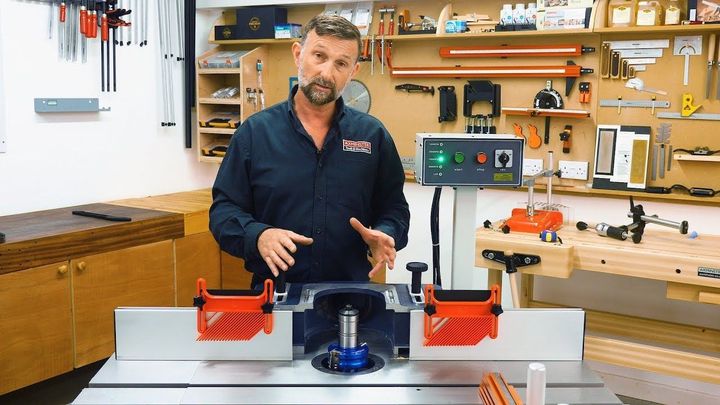
A spindle moulder works by spinning a cutter head attached to a vertical shaft, called the spindle. When a wooden workpiece is guided across the rotating cutter, the machine removes material to create a precise shape. Different cutters can be installed to produce a wide range of profiles.
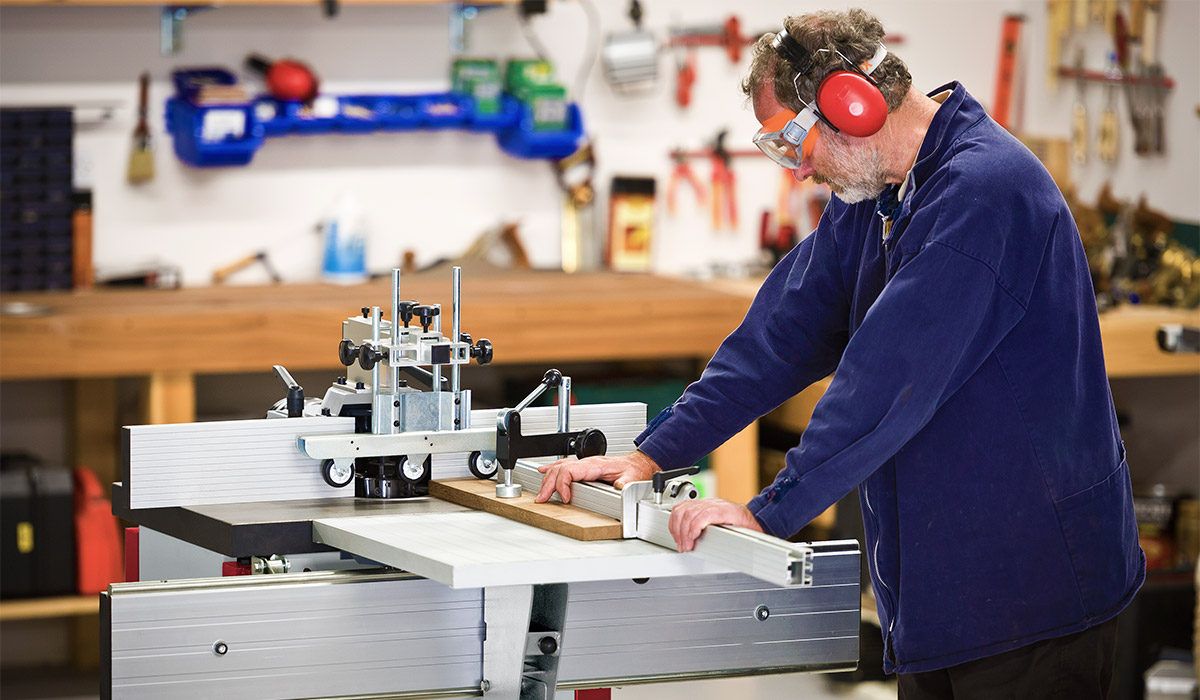
These machines exist because woodworking industries require consistent, accurate shaping of timber components. Manual shaping tools can produce similar results, but they often require more time and skill. Spindle moulders allow operators to achieve repeatable designs with greater efficiency.
Modern versions include safety guards, adjustable fences, and digital controls that help improve accuracy and operator safety. They are commonly used for producing:
-
Decorative mouldings
-
Door and window frames
-
Furniture components
-
Edge profiles on panels
-
Grooves and rebates in timber
Because of their versatility, spindle moulders have become a fundamental piece of equipment in professional woodworking environments as well as advanced workshops.
Why Spindle Moulders Matter in Modern Manufacturing
Woodworking has evolved significantly with advancements in machinery and automation. Spindle moulders play an important role in maintaining efficiency and precision in this sector.
The machine affects a wide range of industries, including:
-
Furniture production
-
Interior design and architectural woodworking
-
Cabinet and joinery manufacturing
-
Construction-related carpentry
One of the main challenges in woodworking is achieving consistent shapes across large quantities of timber components. Hand tools or basic routers may produce slight variations. Spindle moulders help solve this problem by ensuring uniform profiles across multiple pieces.
Another reason these machines are important is their flexibility. A single spindle moulder can perform many shaping operations simply by changing the cutter head. This adaptability allows workshops to produce various profiles without requiring multiple machines.
In addition, spindle moulders support productivity in manufacturing environments where repeatability and precision are critical. When properly configured, the machine can shape timber components quickly while maintaining consistent dimensions.
Safety considerations also highlight their importance. Woodworking tools can pose risks when improperly used. Many spindle moulders include:
-
Adjustable guards
-
Safety fences
-
Power feed attachments
-
Emergency stop systems
These features help reduce operator exposure to rotating cutters and improve workplace safety standards.
Industry Developments and Technological Trends
Woodworking machinery has experienced steady technological improvement in recent years. Spindle moulders are no exception, with several developments shaping how these machines are used.
One major trend is the integration of digital measurement and positioning systems. Some modern machines allow precise adjustments through digital displays, which help operators configure spindle height and fence alignment with greater accuracy.
Automation and smart manufacturing are also influencing woodworking equipment. Workshops are increasingly adopting automated material handling systems that work alongside spindle moulders to streamline production workflows.
Another trend is the development of improved cutter materials. Advanced carbide and composite cutters allow longer tool life and cleaner finishes, which helps maintain consistent results across extended production runs.
Safety technology has also improved significantly. Manufacturers have introduced:
-
Enhanced guarding systems
-
Automatic braking mechanisms
-
Improved dust extraction integration
Dust control is particularly important in woodworking environments. Newer machines often include optimized extraction ports that reduce airborne particles and improve workshop air quality.
Sustainability is another growing focus in the woodworking sector. Equipment designs increasingly emphasize energy efficiency and reduced material waste. Precision shaping helps reduce scrap wood, supporting more sustainable manufacturing practices.
Regulatory and Safety Frameworks
Woodworking equipment such as spindle moulders is typically governed by machinery safety standards and workplace safety regulations. These rules help ensure machines are designed and used in ways that protect operators and surrounding workers.
Common regulatory themes include:
-
Machine guarding requirements
-
Operator training standards
-
Dust extraction and air quality guidelines
-
Noise exposure limits in workshops
Safety standards often require spindle moulders to include protective guards and emergency stop systems. Operators may also need to follow specific procedures when installing cutters or adjusting machine settings.
Workplace safety frameworks frequently emphasize risk assessments before using machinery. This process helps identify hazards such as exposed cutters, improper feeding techniques, or unstable workpieces.
Many woodworking workshops also implement internal safety protocols that complement official regulations. These may include:
-
Regular equipment inspections
-
Maintenance schedules
-
Operator training programs
-
Personal protective equipment guidelines
Dust extraction systems are particularly important because wood dust can affect air quality and worker health. Proper ventilation and extraction systems are often recommended when operating high-speed woodworking equipment.
Helpful Tools and Resources for Woodworking Professionals
Several digital tools and educational resources support individuals working with spindle moulders and woodworking machinery. These tools help improve accuracy, safety awareness, and production planning.
Woodworking design software
Computer-aided design tools help professionals create detailed profiles and plan woodworking projects before machining begins.
Examples include:
-
CAD-based woodworking design platforms
-
Profile design software for cutter configurations
-
Digital drawing tools for furniture planning
Machine setup calculators
Certain online calculators help determine spindle speeds, cutter diameters, and feed rates for woodworking machines.
Typical calculations include:
-
Cutting speed estimation
-
Material removal rate analysis
-
Feed rate recommendations
Educational platforms and technical guides
Professional organizations and woodworking institutes often provide training resources that explain machine operation and safety procedures.
Common resources include:
-
Machinery operation manuals
-
Woodworking safety training modules
-
Cutter profile reference charts
Dust control planning tools
Airflow calculators and workshop layout planners help determine the correct dust extraction setup for woodworking equipment.
These tools can assist with:
-
Designing duct systems
-
Calculating airflow capacity
-
Evaluating filtration performance
Technical reference tables are frequently used when configuring spindle moulders.
| Cutter Diameter | Recommended Speed Range | Typical Application |
|---|---|---|
| Small cutters | Higher rotational speed | Fine edge profiling |
| Medium cutters | Moderate speed | General moulding work |
| Large cutters | Lower speed | Deep profile shaping |
Another useful reference is a simplified comparison of shaping methods.
| Method | Precision Level | Production Efficiency |
|---|---|---|
| Hand tools | Moderate | Lower |
| Router table | Good | Moderate |
| Spindle moulder | High | High |
Frequently Asked Questions About Spindle Moulders
What is the main function of a spindle moulder?
A spindle moulder shapes wood using rotating cutter heads mounted on a vertical spindle. It is commonly used to produce mouldings, decorative profiles, grooves, and edge shapes in timber components.
How is a spindle moulder different from a router table?
Both machines shape wood, but spindle moulders are generally larger and more powerful. They can handle heavier cuts and larger cutter heads, making them suitable for industrial woodworking tasks.
What materials can be processed with a spindle moulder?
Most machines are designed for solid wood, engineered wood panels, and certain composite materials. The exact material range depends on the cutter type and machine configuration.
Why is dust extraction important when using woodworking machines?
Wood dust can affect air quality and visibility in workshops. Dust extraction systems help capture particles at the source, improving both safety and cleanliness.
What safety practices are commonly recommended for spindle moulder operation?
Common practices include using protective guards, maintaining proper cutter installation, ensuring stable workpiece feeding, and wearing appropriate protective equipment such as eye and hearing protection.
Conclusion
Spindle moulders remain one of the most important machines in professional woodworking environments. Their ability to shape timber with precision and consistency makes them essential for furniture manufacturing, cabinetry, and architectural woodwork.
Advancements in technology have improved these machines through digital controls, safer guarding systems, and better dust extraction integration. These improvements support both productivity and operator safety.
Understanding how spindle moulders work, the environments in which they are used, and the tools that support them can help woodworking professionals and enthusiasts approach shaping operations with greater knowledge and efficiency.