Power Tiller Guide: Basics, Working Process, and Useful Farming Insights
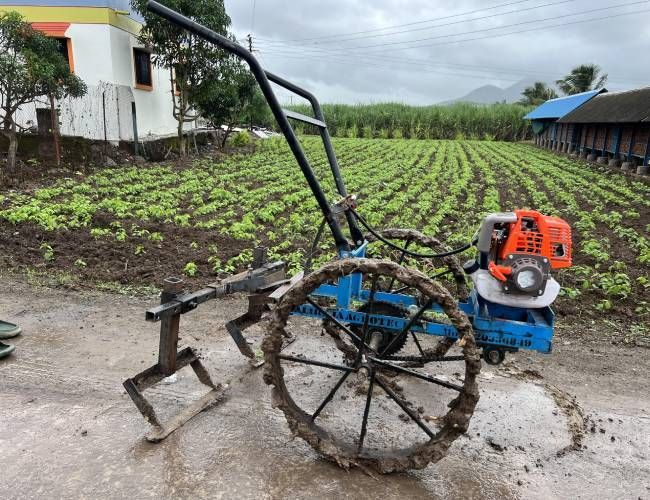
A power tiller is an agricultural machine designed to prepare soil for planting by breaking, turning, and mixing the soil. It is commonly used in small and medium-sized farms where large tractors may not be practical. This machine is operated either by walking behind it or by attaching additional equipment depending on the farming task.
The main purpose of a power tiller is to make soil cultivation easier and more efficient. Farmers traditionally used manual tools or animal-driven ploughs to prepare land. However, modern agricultural machines such as power tillers help reduce physical effort and increase productivity during land preparation.
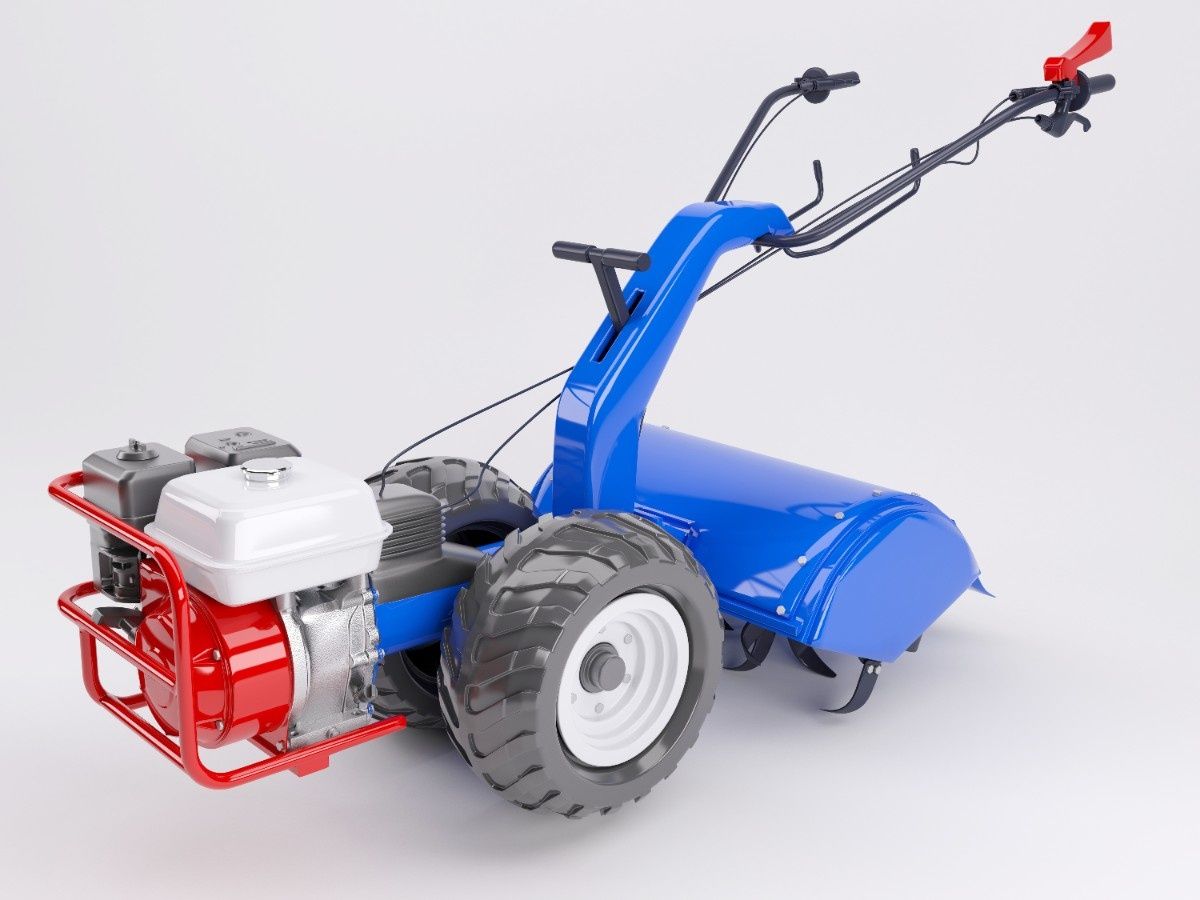
Power tillers are especially useful in fields with limited space, uneven terrain, or narrow pathways. Because of their compact size and maneuverability, they are commonly used in vegetable farming, horticulture, and small-scale crop production.
Typical components of a power tiller include:
-
Engine unit
-
Transmission system
-
Rotary blades or tines
-
Handle and control system
-
Wheels or attachments
These components work together to loosen soil, improve aeration, and prepare farmland for sowing crops.
Why Power Tillers Are Important in Modern Farming
Agriculture is continuously evolving due to changing food demands, population growth, and environmental pressures. Efficient land preparation has become essential for maintaining soil health and improving crop productivity.
Power tillers contribute to modern agriculture in several ways:
-
Improving soil structure and aeration
-
Reducing manual labor requirements
-
Supporting efficient crop planting preparation
-
Enhancing soil mixing and nutrient distribution
Farmers working on smaller plots often face challenges when using large tractors. Power tillers provide a practical alternative because they are easier to maneuver in tight spaces such as orchards, greenhouse farms, and terraced fields.
Another important benefit is time efficiency. Preparing land manually can take several days depending on field size. With mechanized equipment like power tillers, the same process can often be completed faster while maintaining consistent soil depth and mixing.
Power tillers are also useful in multiple farming activities beyond soil preparation, including:
-
Inter-cultivation between crop rows
-
Weeding operations
-
Soil mixing for compost incorporation
-
Preparation of seedbeds for vegetables
The flexibility of these machines makes them valuable tools for sustainable agricultural practices.
Core Working Process of a Power Tiller
The working mechanism of a power tiller is relatively straightforward but involves several coordinated mechanical processes. Understanding this system helps farmers and agricultural learners better understand how soil preparation machines operate.
The process begins with the engine, which generates mechanical power. This power is transferred through a transmission system to rotating blades or tines located beneath the machine.
As the blades rotate, they penetrate the soil surface and break it into smaller particles. This process loosens compact soil and mixes organic matter, crop residue, and nutrients.
A simplified working sequence is shown below.
| Step | Mechanical Process | Result |
|---|---|---|
| Engine Power Generation | Engine produces rotational energy | Drives machine movement |
| Transmission Transfer | Power moves through gears | Controls blade rotation |
| Blade Penetration | Tines enter soil surface | Soil loosening begins |
| Soil Rotation | Rotating blades mix soil | Improved aeration |
| Surface Levelling | Repeated passes smooth soil | Seedbed preparation |
Power tillers usually operate at controlled speeds so that soil disturbance remains balanced. Excessively high speeds may damage soil structure, while very slow speeds reduce efficiency.
Operators control machine direction, speed, and blade depth through the handle system. This allows adjustments based on soil conditions, moisture levels, and crop requirements.
Recent Developments and Trends in Power Tiller Technology
Agricultural machinery technology continues to evolve as researchers and manufacturers explore ways to improve efficiency and sustainability. Several trends have emerged in the past year within the power tiller sector.
One important development is the integration of fuel-efficient engine systems designed to reduce emissions and improve energy performance during field operations. Many modern models incorporate improved combustion systems that support cleaner agricultural machinery usage.
Another trend is the introduction of multi-purpose attachments. These attachments allow power tillers to perform additional tasks such as ridge making, soil leveling, irrigation channel preparation, and crop row maintenance.
Digital technology is also influencing agricultural equipment. Some newer machines include:
-
Digital monitoring displays
-
Improved safety controls
-
Adjustable ergonomic handles
-
Enhanced vibration reduction systems
Agricultural research institutes have also been exploring soil conservation-friendly tillage systems. These techniques aim to minimize excessive soil disturbance while maintaining productivity.
These developments reflect the broader shift toward smarter and more sustainable agricultural practices.
Regulatory Guidelines and Agricultural Programs
Agricultural machinery usage is often influenced by farming policies and regulatory guidelines. Governments and agricultural authorities usually establish standards to ensure safe machine operation, environmental protection, and agricultural productivity.
Regulations often address several areas:
-
Engine emission standards for farm machinery
-
Safety guidelines for machine operation
-
Agricultural mechanization programs
-
Training initiatives for farmers
Many agricultural departments promote mechanization to improve farm productivity and reduce labor intensity. Educational programs and agricultural extension services frequently provide training materials related to power tiller operation and maintenance.
Agricultural policies may also support research into sustainable farming equipment, soil conservation practices, and improved agricultural technologies.
These frameworks aim to balance productivity, environmental responsibility, and rural development within the agricultural sector.
Tools, Digital Resources, and Learning Platforms
Farmers, agricultural students, and researchers can benefit from a variety of digital tools and knowledge platforms related to farm machinery and soil management.
Some commonly used resources include:
-
Agricultural machinery knowledge portals
-
Soil preparation calculators
-
Farm management mobile applications
-
Agricultural research institute websites
-
Crop planning templates
Examples of useful digital tools include:
| Tool Type | Purpose | Typical Users |
|---|---|---|
| Soil Tillage Calculator | Estimates soil preparation requirements | Farmers |
| Farm Planning Apps | Organize planting schedules and field tasks | Farm managers |
| Machinery Manuals | Provide operation and safety guidance | Operators |
| Agricultural Extension Portals | Educational resources and technical insights | Students and researchers |
Mobile applications designed for agriculture often provide helpful features such as weather tracking, crop advisory updates, and machinery usage guidelines.
These resources support better decision-making and knowledge sharing within the farming community.
Frequently Asked Questions About Power Tillers
What is the main function of a power tiller?
A power tiller is primarily used for soil preparation. It breaks and loosens soil to create a suitable environment for planting crops. The rotating blades mix soil layers and improve aeration.
How is a power tiller different from a tractor?
Power tillers are smaller and designed for compact farmland or narrow areas. Tractors are larger machines used for heavy agricultural operations on large fields.
Which types of crops benefit from power tiller soil preparation?
Many crops benefit from well-prepared soil, including vegetables, grains, pulses, and horticultural crops. Proper soil preparation helps improve seed germination and root development.
Can power tillers perform tasks other than soil cultivation?
Yes. With the right attachments, power tillers can support activities such as weeding, ridge making, irrigation channel preparation, and field leveling.
What factors influence power tiller performance?
Several factors affect performance, including soil type, moisture level, blade depth, engine power, and operator technique. Proper adjustment helps achieve consistent soil preparation results.
Conclusion
Power tillers play an important role in modern agricultural practices, particularly for farmers managing small and medium-sized land areas. These machines help simplify soil preparation, improve efficiency, and support sustainable crop cultivation.
Understanding how power tillers work allows farmers, agricultural students, and researchers to appreciate the mechanics behind soil tillage and field preparation. As agricultural technology continues to evolve, power tillers are expected to incorporate more advanced features that enhance performance, safety, and environmental sustainability.