Laptop Rentals Explained: Overview, Options & Essential Knowledge
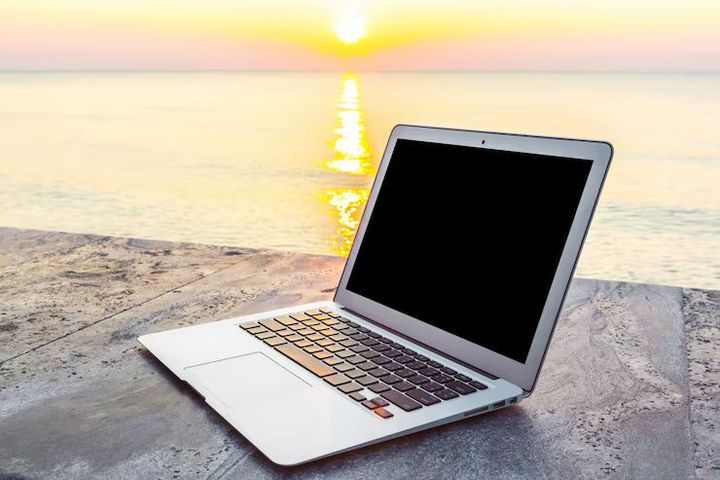
Laptop rentals refer to the temporary use of laptop computers for a defined period, without long-term ownership. This model allows individuals and organizations to access computing equipment for short-term, project-based, or transitional needs. Laptop rentals are commonly used in corporate environments, education, training programs, events, research projects, and personal use during temporary situations.
The concept exists to address situations where permanent device ownership is unnecessary or impractical. Technology evolves quickly, and short-term access can be more efficient than maintaining unused or outdated equipment. Laptop rentals also support scalability, allowing users to adjust device quantities based on immediate needs.
Over time, laptop rental services have expanded from basic hardware access to structured device management, configuration support, and standardized specifications.
Why Laptop Rentals Matter Today
Laptop rentals matter today because work, education, and collaboration increasingly depend on digital access. At the same time, usage patterns have become more flexible, temporary, and project-oriented.
This topic affects a wide range of users:
-
Businesses managing short-term projects
-
Educational institutions conducting training or exams
-
Event organizers supporting digital activities
-
Individuals in transitional or remote work situations
Laptop rentals help solve practical challenges such as rapid deployment, device standardization, and temporary capacity expansion. They also reduce the need to store, maintain, or frequently replace equipment.
Key reasons laptop rentals remain relevant include:
-
Growth of remote and hybrid work models
-
Short-term training and certification programs
-
Technology needs for events and workshops
-
Temporary workforce and project-based work
As digital access becomes essential across sectors, flexible device availability has gained importance.
Basics of How Laptop Rentals Work
The laptop rental process is structured to provide timely access while ensuring accountability and proper usage. While specific steps vary, the overall flow remains consistent.
The basic process typically includes:
-
Identifying required specifications and duration
-
Selecting appropriate laptop configurations
-
Completing identity or organizational documentation
-
Device allocation and handover
-
Return and condition verification
Devices are usually pre-configured based on usage requirements, such as operating system, software environment, or security settings. This helps reduce setup time and ensures consistency.
A simplified process overview is shown below:
| Process Step | Purpose |
|---|---|
| Requirement Definition | Match use case |
| Device Selection | Performance alignment |
| Documentation | Usage accountability |
| Deployment | Immediate access |
| Return | Asset reconciliation |
This structure supports efficient short-term technology access.
Common Laptop Rental Options
Laptop rental options vary based on performance level, operating system, and intended use. Understanding these options helps clarify suitability for different tasks.
Common rental categories include:
-
Standard laptops, suitable for basic office tasks
-
Business-class laptops, designed for professional workloads
-
High-performance laptops, used for design or data tasks
-
Educational-use laptops, configured for training or exams
A simplified overview is shown below:
| Laptop Type | Typical Use |
|---|---|
| Standard | General productivity |
| Business-Class | Corporate and administrative work |
| High-Performance | Design, analytics |
| Educational | Training and assessments |
These options allow users to align computing capability with actual usage needs.
Use Cases and Practical Applications
Laptop rentals support a wide range of short- and medium-term applications. These use cases focus on flexibility and rapid access rather than permanent ownership.
Common applications include:
-
Corporate onboarding and training sessions
-
Conferences, seminars, and workshops
-
Temporary office setups
-
Academic programs and examinations
-
Remote work during relocation or travel
A use-case overview is shown below:
| Scenario | Objective |
|---|---|
| Training Programs | Uniform device access |
| Events | Short-term digital support |
| Projects | Temporary capacity |
| Education | Controlled exam environments |
These applications highlight how laptop rentals fit into dynamic operational contexts.
Recent Updates and Technology Access Trends
Over the past year, laptop rental usage has reflected broader shifts in work patterns and technology management.
In February 2025, enterprise technology reports noted increased demand for standardized laptop configurations to support short-term hybrid teams.
By July 2025, there was greater emphasis on pre-installed security controls and user profile isolation to support data protection during temporary use.
Another trend observed in October 2025 involved increased preference for lightweight and energy-efficient devices, particularly for mobile and event-based usage.
A general comparison of earlier and recent trends is shown below:
| Aspect | Earlier Pattern | Recent Trend (2025) |
|---|---|---|
| Device Focus | Basic functionality | Performance-balanced |
| Setup | Manual configuration | Pre-configured systems |
| Security | User-managed | Device-level controls |
| Mobility | Secondary | Primary consideration |
These trends emphasize reliability and readiness over long-term ownership.
Laws, Policies, and Compliance Context in India
In India, laptop rentals are governed indirectly through general commercial, data protection, and consumer regulations rather than device-specific laws.
Key regulatory influences include:
-
Information Technology Act, 2000, addressing data security
-
Digital Personal Data Protection Act, 2023, governing handling of personal data
-
Commercial rental and contract laws
-
Institutional IT and data usage policies
During 2024–2025, compliance discussions increasingly emphasized data protection responsibilities when using shared or temporary devices. This includes proper data handling, user access control, and secure data removal after use.
Organizations and individuals are generally expected to follow responsible data practices when using rented devices, especially in professional or educational settings.
Tools and Resources Supporting Laptop Rental Use
Several tools and reference resources support effective use of rented laptops. These resources focus on preparation, usage control, and accountability.
Helpful tools include:
-
Device requirement checklists
-
User access and login guidelines
-
Data backup and transfer frameworks
-
Usage and return condition checklists
-
Basic cybersecurity awareness resources
Key factors often monitored are shown below:
| Factor | Why It Matters |
|---|---|
| Device Specifications | Task suitability |
| Software Setup | Productivity readiness |
| Data Handling | Information safety |
| Usage Duration | Access planning |
| Return Condition | Asset accountability |
These resources help ensure smooth and responsible device usage.
Frequently Asked Questions About Laptop Rentals
Who typically uses laptop rentals?
Laptop rentals are used by businesses, educational institutions, event organizers, and individuals with temporary computing needs.
Are rented laptops pre-configured?
Many are provided with standard configurations, though setup varies based on usage requirements.
Is data safety important when using rented laptops?
Yes. Users are expected to manage data responsibly and follow basic cybersecurity practices.
Can rented laptops support professional work?
Yes. Business-class and high-performance options are commonly used for professional tasks.
Are laptop rentals suitable for short-term needs?
They are primarily designed for short- to medium-term use where ownership is unnecessary.
Conclusion
Laptop rentals provide flexible and practical access to computing resources without long-term ownership. They support a wide range of temporary needs across business, education, events, and personal use scenarios.
Recent trends highlight increased focus on standardization, security readiness, and mobility. At the same time, regulatory frameworks in India emphasize responsible data handling and proper usage practices when using shared or rented devices.