Industrial Motors Guide: Basics, Working Principles and Key Insights
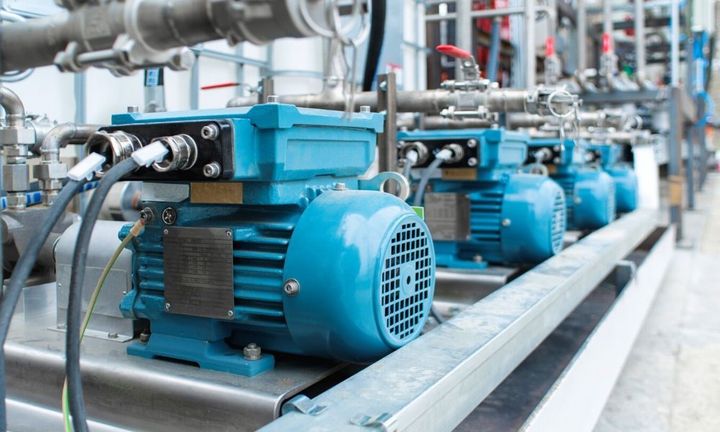
Industrial motors are machines that convert electrical energy into mechanical energy. In simple terms, they transform electricity into motion. This motion powers equipment such as pumps, compressors, conveyor belts, fans, mixers, and heavy machinery used in manufacturing plants and infrastructure projects.
The development of industrial motors began with the growth of electrification and large-scale production. As industries expanded, there was a need for reliable systems capable of driving machinery continuously and efficiently. Electric motors gradually replaced steam and manual power because they offered consistent performance, reduced maintenance complexity, and improved safety.
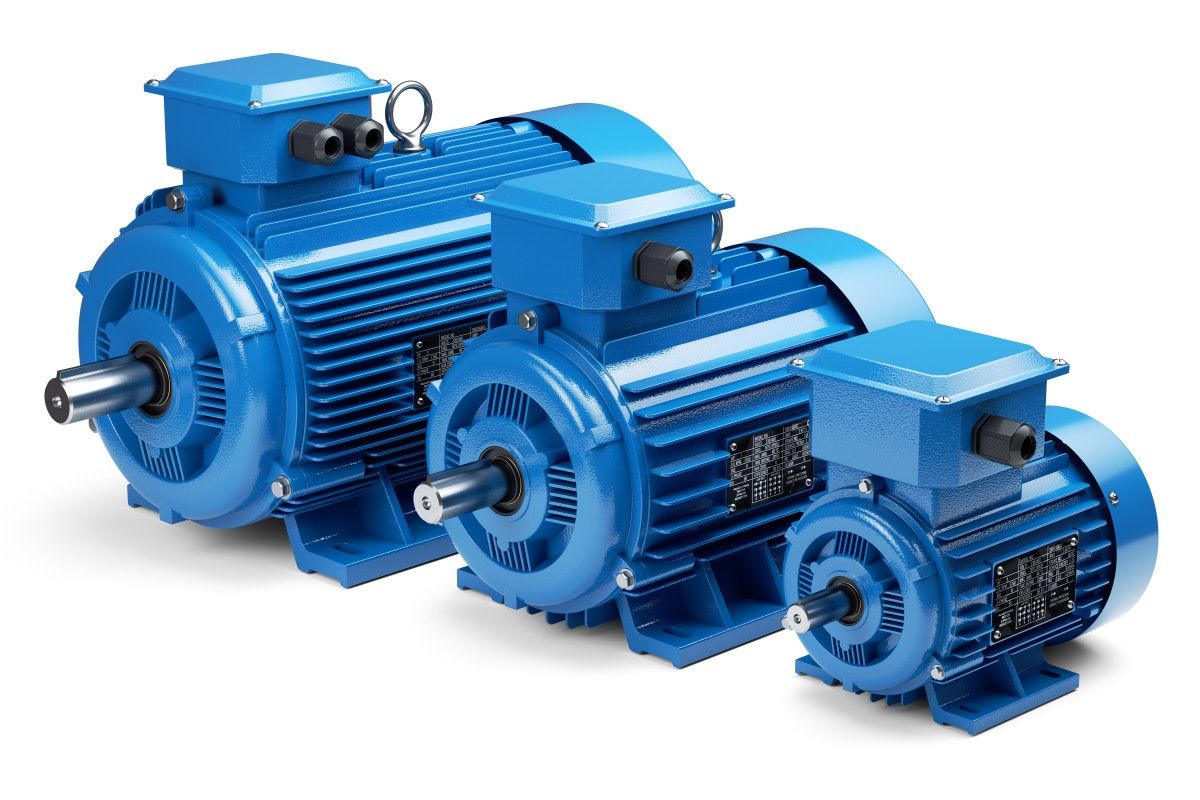
Most industrial motors operate using electromagnetic principles. When electric current flows through coils inside the motor, it creates a magnetic field. The interaction between magnetic fields inside the motor causes a rotating force, known as torque. This torque drives a shaft, which then moves connected equipment.
The two most common types used in industrial power systems include:
-
AC motors (Alternating Current motors)
-
DC motors (Direct Current motors)
Within these categories, induction motors are widely used due to their durability and simple design. Synchronous motors and specialized high-efficiency motors are also common in large industrial automation systems.
Industrial motors exist to deliver reliable mechanical motion in environments where continuous operation, load control, and energy efficiency are critical.
Importance: Why Industrial Motors Matter Today
Industrial motors are central to modern industrial automation and energy management. They are responsible for powering a significant portion of global industrial electricity consumption. Because of this, improvements in motor efficiency directly influence overall energy savings and operational stability.
Their importance can be understood through several factors:
Energy Efficiency and Sustainability
Electric motor efficiency plays a major role in reducing electricity usage. High-efficiency motors consume less energy for the same output. This reduces strain on industrial power systems and supports environmental sustainability initiatives.
Industrial Automation and Productivity
Modern factories rely on motor control systems integrated with sensors, programmable controllers, and digital monitoring tools. Motors enable automated production lines, precise material handling, and consistent process control.
Infrastructure and Utilities
Industrial motors are essential in water treatment plants, HVAC systems, mining operations, and transportation networks. Without motors, many public infrastructure services would not function.
Reduced Downtime Through Predictive Maintenance
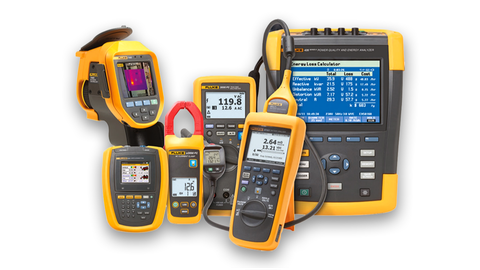
With the rise of predictive maintenance technologies, motors are monitored using vibration analysis, thermal imaging, and IoT-based sensors. These systems help detect faults early, preventing unexpected shutdowns and improving reliability.
Below is a simplified comparison table of common industrial motor types:
| Motor Type | Common Use Cases | Key Advantage | Limitation |
|---|---|---|---|
| Induction Motor | Pumps, fans, conveyors | Durable and low maintenance | Limited speed control without VFD |
| Synchronous Motor | High-power applications | Precise speed control | More complex design |
| DC Motor | Variable speed machinery | Easy speed adjustment | Higher maintenance needs |
Industrial motors affect engineers, facility managers, plant operators, energy consultants, and policy planners. Their performance influences productivity, compliance with energy efficiency standards, and long-term infrastructure planning.
Recent Updates: Trends and Developments in Industrial Motors
In recent months, several trends have shaped the industrial motor landscape.
Growth of High-Efficiency Motors
Manufacturers are increasingly focusing on IE3, IE4, and higher efficiency-rated motors. These classifications reflect improved electric motor efficiency, helping industries reduce energy intensity.
Integration with Variable Frequency Drives
Variable frequency drive (VFD) technology continues to expand in industrial automation systems. VFDs allow precise control of motor speed and torque, which enhances energy savings and operational flexibility.
Digital Monitoring and Smart Motors
Industrial IoT platforms now enable real-time monitoring of motor performance. Smart sensors collect data on temperature, vibration, and load conditions. This data supports predictive maintenance and reduces unexpected equipment failure.
Electrification and Decarbonization Goals
As industries work toward lower carbon emissions, energy-efficient industrial power systems have gained attention. Electrification initiatives in manufacturing and infrastructure sectors have increased the demand for optimized motor solutions.
Material and Design Innovations
New insulation materials, improved cooling systems, and compact motor designs have enhanced durability and performance under demanding conditions.
These updates reflect a broader shift toward energy optimization, digitalization, and reliability in industrial environments.
Laws or Policies: How Regulations Influence Industrial Motors
Industrial motors are influenced by energy efficiency regulations and performance standards established by national and international bodies.
Energy Efficiency Standards
Many regions implement minimum energy performance standards (MEPS) for electric motors. These standards define acceptable efficiency levels for industrial use. Motors that do not meet the required ratings may not be approved for certain applications.
International Standards Organizations
Standards from organizations such as:
-
International Electrotechnical Commission
-
Institute of Electrical and Electronics Engineers
-
National Electrical Manufacturers Association
help define testing methods, safety guidelines, and efficiency classifications.
Environmental Regulations
Industrial energy consumption policies often encourage the adoption of high-efficiency motors to reduce greenhouse gas emissions. Compliance may be required in public infrastructure, manufacturing facilities, and large-scale industrial projects.
Workplace Safety Regulations
Electrical installation, grounding, and maintenance of industrial motor systems must comply with safety standards to prevent electrical hazards and equipment damage.
Government Energy Programs
Energy transition programs frequently include incentives for upgrading to energy-efficient motor systems, supporting broader climate and sustainability goals.
Regulatory frameworks ensure motors operate safely, efficiently, and consistently within industrial environments.
Tools and Resources for Understanding Industrial Motors
Several tools and resources support engineers, students, and facility managers in working with industrial motors.
Motor Efficiency Calculators
Online calculators help estimate motor efficiency, energy consumption, and load performance. These tools are useful for evaluating operational improvements.
Energy Audit Templates
Energy audit frameworks help assess how industrial motors contribute to total electricity usage within a facility.
Simulation Software
Engineering software allows modeling of motor control systems and load behavior under different operating conditions.
Monitoring Platforms
Industrial IoT dashboards provide real-time performance tracking and predictive maintenance alerts.
Standards Documentation
Technical guidelines from recognized organizations provide reference materials for testing, design, and installation.
Example of Motor Efficiency Impact:
| Scenario | Standard Motor | High-Efficiency Motor |
|---|---|---|
| Operating Hours per Year | 6,000 | 6,000 |
| Relative Energy Consumption | Higher | Lower |
| Heat Generation | Moderate | Reduced |
| Long-Term Performance Stability | Stable | Improved |
These resources support informed decisions regarding industrial automation systems and energy efficiency optimization.
FAQs About Industrial Motors
What is the main function of an industrial motor?
An industrial motor converts electrical energy into mechanical motion. This motion powers machinery such as pumps, fans, compressors, and conveyor systems.
How does a variable frequency drive improve motor performance?
A variable frequency drive adjusts the frequency and voltage supplied to the motor. This allows precise speed control, reduces energy waste, and improves process efficiency.
Why is motor efficiency important?
Higher efficiency reduces electricity consumption, lowers heat generation, and supports compliance with energy efficiency standards. It also improves overall system reliability.
What is predictive maintenance in motor systems?
Predictive maintenance uses sensors and monitoring tools to detect early signs of wear or imbalance. This approach helps prevent unexpected failures and reduces downtime.
Are industrial motors affected by regulations?
Yes. Many regions enforce energy performance standards and electrical safety requirements. Motors must meet defined efficiency and safety criteria before installation.
Conclusion
Industrial motors are foundational components of modern industrial automation systems and infrastructure. By converting electrical energy into mechanical motion, they power essential processes across manufacturing, utilities, and public services.
Advances in electric motor efficiency, digital monitoring, and motor control systems have transformed how industries manage energy and productivity. Recent developments emphasize high-efficiency ratings, integration with variable frequency drives, and predictive maintenance technologies.
Regulatory standards established by recognized organizations ensure safety, consistency, and energy optimization. Tools such as efficiency calculators, simulation platforms, and monitoring dashboards help professionals make informed technical decisions.