Industrial Label Machine Guide: Basics, Insights & Key Information
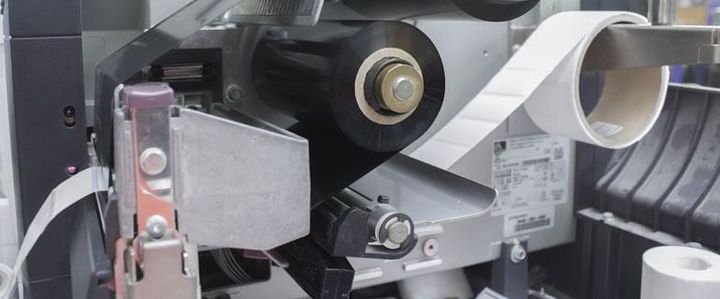
Industrial label machines are specialized equipment designed to apply printed labels to products, packaging, cartons, pallets, or containers in manufacturing and logistics environments. These machines form part of broader industrial labeling systems that combine printing, dispensing, application, and verification into one coordinated workflow.
The primary purpose of these machines is to ensure accurate product identification, regulatory compliance, and efficient tracking throughout the supply chain. Labels may include barcodes, QR codes, batch numbers, expiry dates, hazard warnings, or branding elements.
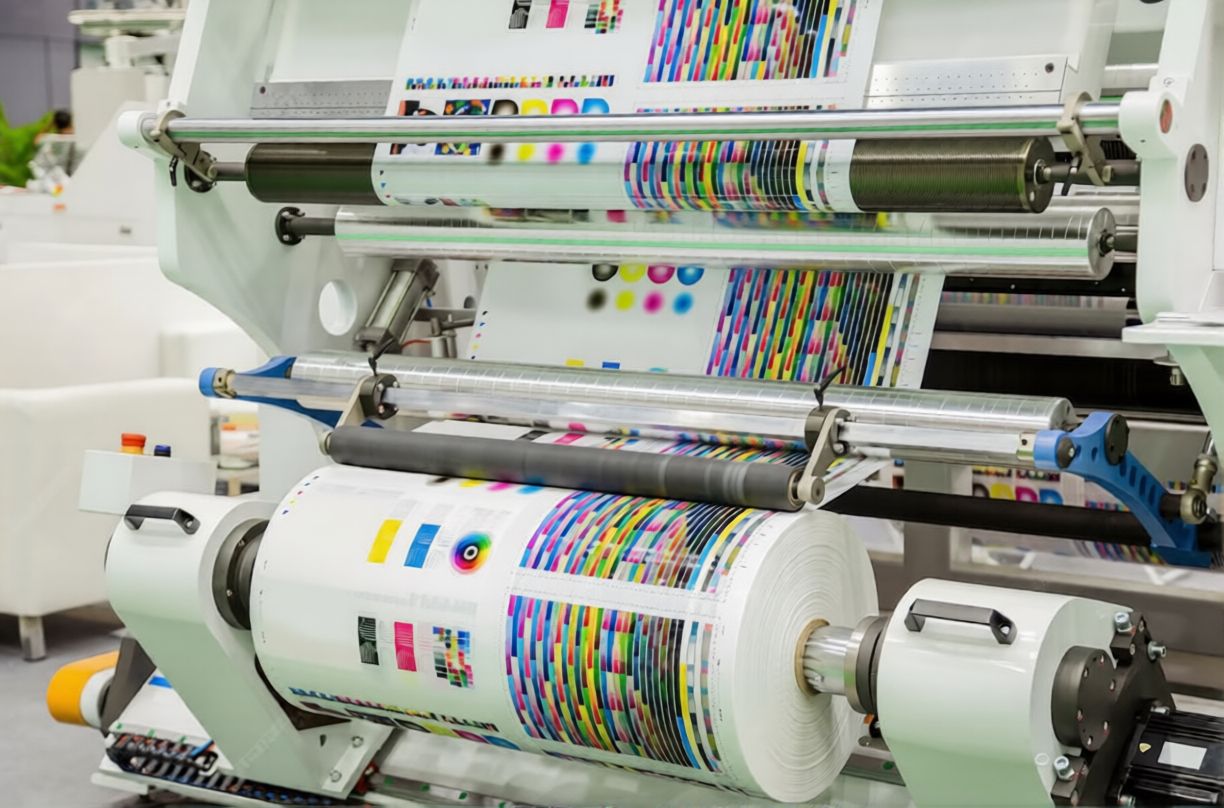
Industrial labeling exists because modern production environments demand consistency, speed, and traceability. Manual labeling methods can lead to errors, misplacement, or production delays. Automated labeling equipment helps reduce variability and ensures standardized results across high-volume operations.
In industries such as pharmaceuticals, food processing, chemicals, automotive components, and e-commerce logistics, labeling is not optional. It is a core requirement for inventory management, regulatory documentation, and consumer safety communication.
Why Industrial Label Machines Matter Today
Industrial label machines have become increasingly important due to global supply chain complexity and rising compliance expectations.
Modern manufacturing relies heavily on:
-
Barcode labeling systems for inventory tracking
-
Asset tracking systems for warehouse management
-
Digital label printing technology for flexible production runs
-
Packaging automation technology for faster throughput
Accurate labeling helps prevent product recalls, shipping errors, and compliance violations. For example, a mislabeled pharmaceutical product may lead to regulatory penalties, while incorrect shipping labels can disrupt logistics networks.
The topic affects a wide range of stakeholders:
-
Manufacturers seeking manufacturing process optimization
-
Logistics providers managing distribution centers
-
Regulatory bodies enforcing labeling standards
-
Retailers requiring standardized product identification
Industrial labeling also supports sustainability goals. Proper labeling enables recycling instructions, material disclosures, and batch traceability, which improves waste management and environmental accountability.
As supply chains become digitized, labeling integrates with enterprise resource planning (ERP) systems and warehouse management systems (WMS). This connection allows real-time data synchronization between production lines and inventory databases.
Recent Developments and Industry Trends
In the past year, the industrial labeling sector has seen noticeable changes in automation, digital integration, and compliance monitoring.
One major trend has been the expansion of smart labeling technologies. Manufacturers are incorporating vision inspection systems that verify barcode readability and label placement automatically. These systems reduce quality control errors and improve operational reliability.
Another development involves increased use of digital label printing technology. This allows shorter production runs, customized packaging, and variable data printing without changing mechanical components. Variable data labeling is especially relevant for serialized products and supply chain traceability initiatives.
There has also been wider adoption of eco-conscious label materials. Companies are experimenting with linerless labels and recyclable adhesives to reduce waste. Sustainability reporting requirements have encouraged businesses to document packaging materials more accurately.
Cloud-based monitoring tools have expanded as well. Industrial labeling systems now connect to centralized dashboards that track uptime, label counts, error rates, and maintenance schedules. This trend supports predictive maintenance strategies and reduces unexpected downtime.
Automation vendors are focusing on modular systems that can be upgraded as production needs evolve. Instead of replacing entire units, manufacturers can integrate additional modules such as applicators, print engines, or inspection cameras.
Regulatory and Policy Considerations
Industrial label machines operate within a framework of compliance labeling standards. Regulations vary depending on product category and region, but several general principles apply globally.
Common regulatory areas include:
-
Product safety labeling
-
Hazard communication requirements
-
Food ingredient disclosure
-
Pharmaceutical serialization and traceability
-
Environmental labeling guidelines
Governments often mandate specific formatting for warning labels, chemical classifications, and batch identification numbers. In highly regulated industries such as pharmaceuticals and food production, labeling errors can lead to product withdrawal or legal consequences.
Serialization policies have expanded in recent years. These policies require unique identifiers on individual product units to combat counterfeiting and improve traceability. Industrial labeling systems must therefore support variable data printing and database integration.
Environmental regulations also influence labeling materials. Some policies encourage recyclable substrates or restrict certain adhesives and inks. Manufacturers must ensure that labeling equipment can handle compliant materials without affecting performance.
Compliance is not only about printing correct information but also about maintaining documentation and verification records. Many industrial labeling setups now include automated verification modules to ensure adherence to regulatory standards.
Types of Industrial Label Machines
Industrial labeling equipment can be categorized based on function and application method.
Pressure-sensitive labeling machines use adhesive-backed labels applied through rollers or tamp systems. These are common in packaging lines for bottles, cartons, and containers.
Print-and-apply systems combine printing and application in one sequence. They generate variable data labels and apply them immediately, making them ideal for logistics and pallet labeling.
Shrink sleeve labeling machines apply heat-shrinkable labels that conform to container shapes. These are often used for full-body decorative labeling.
Rotary labeling machines are integrated into high-speed production lines and can handle thousands of units per hour.
The choice of equipment depends on production volume, label type, and integration requirements with existing packaging automation technology.
Tools and Resources for Industrial Labeling
Organizations implementing industrial labeling systems can benefit from various digital and operational tools.
Common resources include:
-
Barcode generation software for standardized code creation
-
Label design platforms for formatting compliance labels
-
ERP and WMS integration modules
-
Vision inspection systems for automated verification
-
Predictive maintenance dashboards
-
Industrial printing solutions compatible with thermal transfer or inkjet technology
Below is a simplified comparison table of labeling approaches:
| Feature | Manual Labeling | Semi-Automated | Fully Automated |
|---|---|---|---|
| Speed | Low | Moderate | High |
| Error Rate | Higher | Reduced | Minimal with verification |
| Data Integration | Limited | Partial | Full ERP/WMS sync |
| Scalability | Limited | Moderate | High |
Process Flow Overview
Production Line → Print Engine → Label Applicator → Vision Inspection → Database Logging
This structured workflow improves consistency and supports supply chain traceability.
Frequently Asked Questions
What is the difference between a barcode labeling system and a print-and-apply system?
A barcode labeling system focuses on generating and applying machine-readable codes, while a print-and-apply system combines printing variable data and applying the label automatically in one integrated process.
How does industrial labeling support supply chain traceability?
Labels containing serialized codes or batch numbers allow products to be tracked from manufacturing to distribution. When connected to ERP systems, this information enables real-time monitoring and recall management.
Are industrial label machines compatible with different materials?
Most modern systems are designed to handle various label substrates such as paper, synthetic films, or recyclable materials. Compatibility depends on machine configuration and print technology.
Why is automated verification important?
Automated verification reduces the risk of unreadable barcodes or misplaced labels. Vision systems check alignment, print quality, and data accuracy before products leave the production line.
Can industrial labeling integrate with digital manufacturing systems?
Yes. Many systems connect to manufacturing execution systems (MES), ERP platforms, and warehouse management systems, enabling synchronized data exchange and improved manufacturing process optimization.
Data Visualization: Labeling Efficiency Comparison
Below is a conceptual representation of productivity differences:
Manual Labeling: ▓▓
Semi-Automated Labeling: ▓▓▓▓▓
Fully Automated Labeling: ▓▓▓▓▓▓▓▓▓
Higher levels of automation typically correspond with improved output consistency and lower error rates.
Broader Impact on Manufacturing and Logistics
Industrial labeling plays a critical role in digital transformation strategies. As factories adopt Industry 4.0 principles, labeling systems are becoming part of connected ecosystems.
Data collected from labeling operations contributes to:
-
Inventory accuracy
-
Shipment validation
-
Counterfeit prevention
-
Compliance documentation
-
Operational analytics
In global trade, standardized labeling ensures compatibility with scanning equipment across distribution networks. This interoperability supports faster customs processing and streamlined logistics management.
Organizations pursuing manufacturing process optimization increasingly treat labeling as a strategic function rather than a secondary task. When integrated effectively, labeling systems contribute to productivity improvements and risk reduction.
Conclusion
Industrial label machines are essential components of modern production and logistics systems. They enable accurate identification, regulatory compliance, and supply chain transparency.
With advancements in digital integration, vision inspection, and sustainable materials, industrial labeling systems continue to evolve. Automated labeling equipment supports higher efficiency, improved traceability, and reduced operational errors.