Industrial Extrusion Systems: Overview, Basics, Explanation, and Key Details to Learn
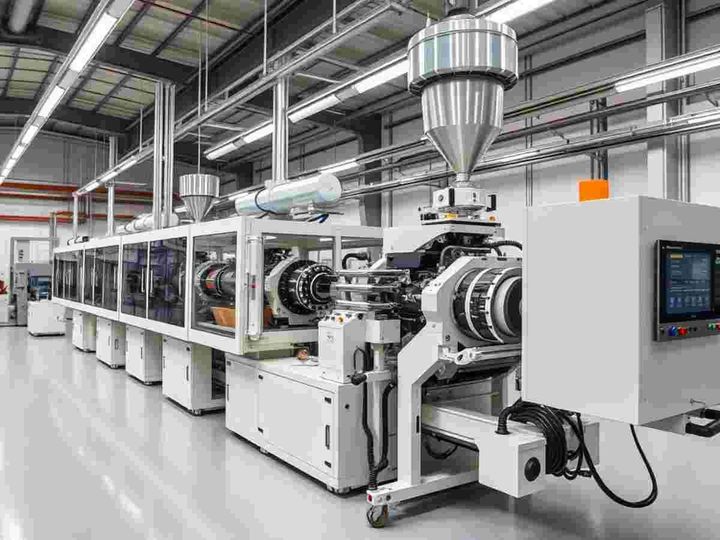
Industrial extrusion systems are manufacturing technologies used to create objects with a fixed cross-section by forcing material through a specially designed die. The process is widely used in modern manufacturing and is commonly applied to materials such as plastics, metals, polymers, and food products.
The concept of extrusion has existed for more than a century, evolving alongside advancements in mechanical engineering and materials science. In simple terms, extrusion converts raw materials into long, continuous shapes such as pipes, tubes, sheets, and structural profiles.
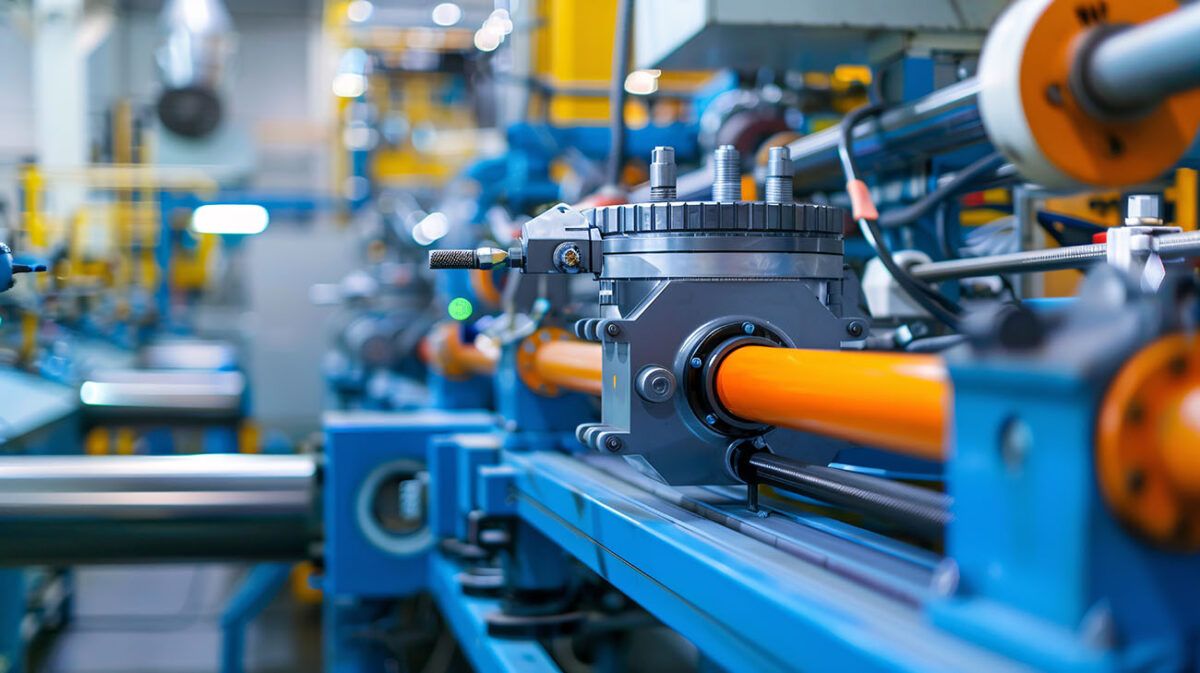
Industries rely on extrusion systems because they allow consistent production of components with uniform shapes and dimensions. Manufacturing sectors including construction, automotive, packaging, electronics, and infrastructure use extrusion technology to produce materials efficiently.
Common materials used in extrusion include:
-
Aluminum alloys
-
Thermoplastics such as PVC and polyethylene
-
Rubber compounds
-
Composite materials
The extrusion process typically involves several key stages: heating the material, pushing it through a die, shaping it into the required profile, and cooling it to maintain structural integrity.
The following table shows common materials used in extrusion manufacturing.
| Material Type | Typical Products | Key Properties |
|---|---|---|
| Aluminum | Structural frames, window profiles | Lightweight, corrosion resistant |
| PVC | Pipes, cable insulation | Durable, flexible |
| Polyethylene | Packaging films, tubing | Chemical resistant |
| Rubber | Seals, gaskets | Elastic and flexible |
Because the extrusion process can operate continuously, it is considered one of the most efficient manufacturing methods for producing large volumes of consistent parts.
Why Industrial Extrusion Systems Matter in Modern Manufacturing
Industrial extrusion systems play a central role in global manufacturing infrastructure. Many everyday products depend on components produced through extrusion technology.
The importance of extrusion systems is closely tied to modern industrial efficiency and material optimization. Manufacturers often rely on extrusion technology to create strong and lightweight structures while minimizing material waste.
Key benefits of extrusion manufacturing include:
-
Consistent cross-section production
-
High production efficiency
-
Reduced material waste
-
Compatibility with automation systems
Several industries depend heavily on extrusion technologies.
| Industry | Example Extruded Products | Role in Industry |
|---|---|---|
| Construction | Window frames, pipes | Structural materials |
| Automotive | Plastic trims, aluminum frames | Lightweight components |
| Electronics | Cable insulation | Electrical protection |
| Packaging | Plastic films | Product packaging |
Extrusion systems also contribute to sustainable manufacturing goals. Many extrusion materials, especially thermoplastics and aluminum, can be recycled and reused in production cycles.
In industrial engineering discussions, extrusion technology is often linked with topics such as:
-
manufacturing automation
-
process optimization
-
material science innovation
-
industrial equipment modernization
These developments have made extrusion systems a key component of modern production facilities.
Recent Developments and Trends in Extrusion Technology
During the past year, industrial extrusion technology has continued to evolve with new innovations in automation, energy efficiency, and digital monitoring systems.
In 2025, several manufacturing companies introduced advanced extrusion lines equipped with smart sensors and digital control systems. These systems monitor temperature, pressure, and material flow in real time to improve production stability.
Some of the most notable trends include:
-
AI-assisted extrusion process monitoring
-
Energy-efficient heating technologies
-
Advanced die design using simulation software
-
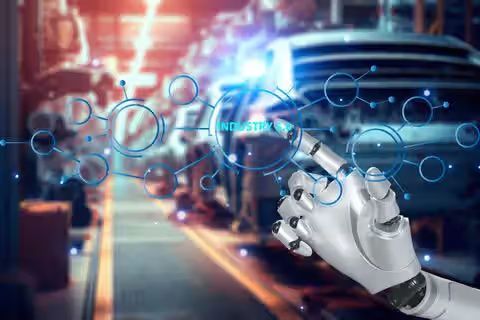
Integration with Industry 4.0 manufacturing platforms
Modern extrusion lines increasingly use digital manufacturing technologies to optimize productivity. Sensors embedded in machinery collect data that engineers analyze to detect performance changes or maintenance needs.
The following chart illustrates general factors influencing modern extrusion system efficiency.
| Efficiency Factor | Impact on Production |
|---|---|
| Temperature Control | Ensures consistent material flow |
| Die Precision | Improves product accuracy |
| Automation Systems | Reduces manual intervention |
| Material Quality | Enhances product durability |
Another development in 2024–2025 is the increased focus on recycled polymer extrusion, where recycled plastics are processed into new products such as pipes, sheets, and packaging materials.
This trend reflects broader environmental priorities within global manufacturing sectors.
Regulations and Policies Affecting Extrusion Manufacturing
Industrial extrusion systems operate within regulatory frameworks designed to ensure product safety, environmental compliance, and manufacturing standards.
Regulations vary by country, but many policies focus on:
-
material safety
-
industrial emissions
-
recycling standards
-
equipment safety
In India, manufacturing facilities often follow guidelines issued by organizations such as:
-
Bureau of Indian Standards (BIS) for product standards
-
Ministry of Environment, Forest and Climate Change (MoEFCC) for environmental regulations
-
Central Pollution Control Board (CPCB) for industrial emissions
For example, plastic extrusion manufacturers must comply with environmental policies related to plastic waste management and recycling programs.
International manufacturing companies also follow global standards including:
-
ISO manufacturing quality standards
-
environmental management frameworks
-
occupational safety regulations
These regulatory structures help maintain consistency and safety across industrial production systems.
Manufacturers typically maintain documentation and quality checks to ensure compliance with these policies.
Tools and Resources Used in Industrial Extrusion Systems
Engineers and manufacturers use various tools and digital platforms to support extrusion system design, monitoring, and optimization.
Common tools include engineering software, industrial monitoring systems, and material simulation platforms.
Examples of helpful resources include:
Engineering Design Software
-
CAD modeling tools for extrusion die design
-
Simulation software for material flow analysis
Process Monitoring Systems
-
temperature monitoring sensors
-
pressure monitoring systems
-
automated production dashboards
Industrial Data Platforms
-
manufacturing analytics systems
-
predictive maintenance tools
Technical Learning Resources
-
industrial engineering research journals
-
materials science databases
-
manufacturing technology publications
These tools help engineers evaluate production efficiency and improve manufacturing processes without altering fundamental extrusion principles.
The use of digital systems has increased in recent years as manufacturers aim to improve productivity and reduce operational risks.
Frequently Asked Questions About Industrial Extrusion Systems
What is the basic principle of extrusion manufacturing?
Extrusion manufacturing works by forcing heated material through a die with a specific shape. The material then takes the shape of the die opening and forms continuous profiles such as pipes, tubes, or sheets.
Which materials are commonly used in extrusion systems?
Common extrusion materials include thermoplastics like PVC and polyethylene, aluminum alloys, rubber compounds, and composite materials.
How does extrusion differ from molding processes?
Extrusion produces continuous shapes with a constant cross-section, while molding processes typically create individual objects with more complex shapes.
What industries rely heavily on extrusion manufacturing?
Industries such as construction, automotive manufacturing, packaging, electronics, and infrastructure development frequently use extrusion technologies.
Is extrusion technology compatible with automation systems?
Yes. Modern extrusion lines often integrate automated control systems, sensors, and digital monitoring technologies that help improve production efficiency and quality control.
Conclusion
Industrial extrusion systems are an important part of modern manufacturing technology. By enabling continuous production of consistent shapes and components, extrusion processes support industries ranging from construction and transportation to packaging and electronics.
Advancements in automation, materials science, and digital monitoring have improved extrusion efficiency and reliability. At the same time, environmental regulations and recycling initiatives are shaping how extrusion systems operate in industrial settings.