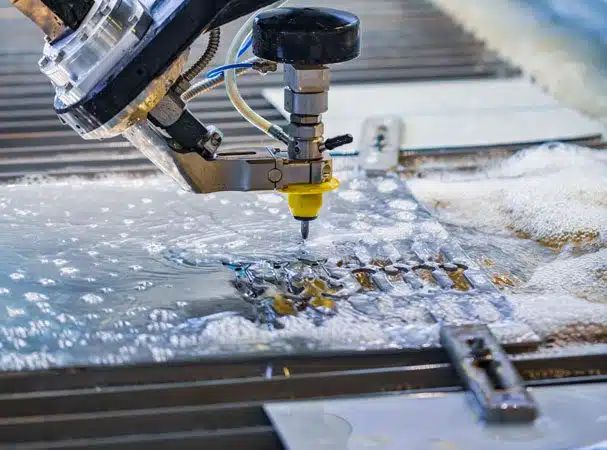
Explore Waterjet Cutters: Overview, Tips, and Practical Knowledge
Waterjet cutters are advanced industrial cutting machines that use a high-pressure stream of water, sometimes combined with abrasive materials, to cut through a wide range of materials. This process is part of modern precision manufacturing equipment used in fabrication industries.
The basic concept is simple. A pump pressurizes water to extremely high levels and forces it through a small nozzle. When needed, abrasive particles such as garnet are added to increase cutting power. The result is a precise and controlled cutting process that can shape metals, composites, stone, ceramics, glass, and even certain plastics.
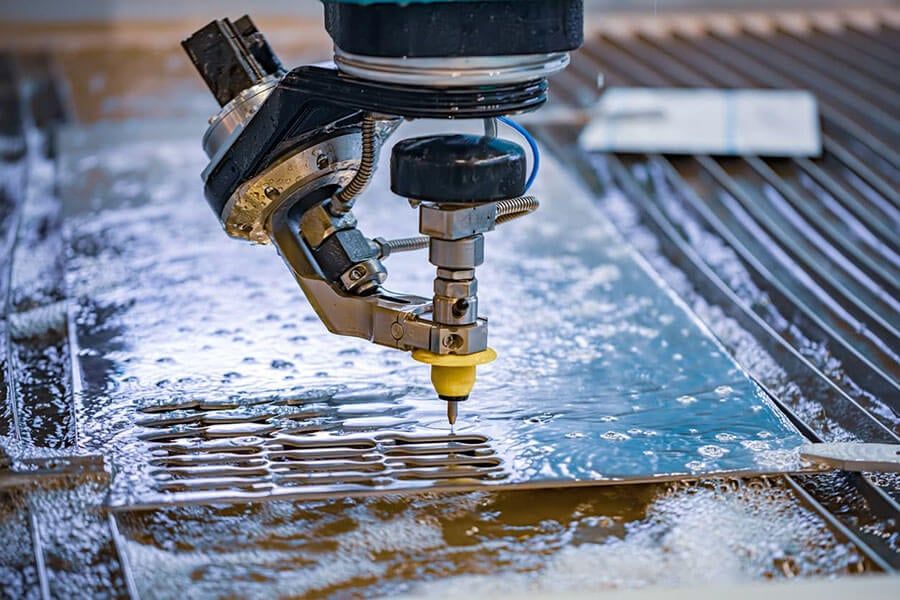
Waterjet cutting technology exists to solve specific manufacturing challenges. Traditional cutting methods such as plasma, laser, or mechanical saws often generate heat. Heat can cause material distortion, structural changes, or burn marks. Waterjet cutting avoids these issues because it is considered a “cold cutting” process.
There are two main types of systems:
-
Pure waterjet systems (used for softer materials like foam or rubber)
-
Abrasive waterjet systems (used for metals, stone, and composites)
Modern systems are often integrated with CNC waterjet cutting controls. CNC, or computer numerical control, allows operators to program detailed designs and repeat precise shapes consistently. This combination of high-pressure cutting systems and digital automation has made waterjet cutters a key component in advanced fabrication tools.
Why Waterjet Cutting Technology Matters Today
Waterjet cutters are increasingly important in industries that require high precision and minimal material damage. These industries include:
-
Aerospace manufacturing
-
Automotive component fabrication
-
Construction and architectural stone processing
-
Electronics and medical device production
-
Renewable energy equipment manufacturing
One major advantage is material versatility. A single machine can cut steel, aluminum, titanium, marble, granite, carbon fiber, and glass without changing the core system. This flexibility supports modern manufacturing environments that handle multiple materials.
Another important factor is structural integrity. Since waterjet cutting does not create a heat-affected zone, materials maintain their original properties. This is especially important in aerospace and defense sectors, where material performance must meet strict engineering standards.
Environmental considerations also contribute to the relevance of abrasive waterjet technology. Compared to some thermal cutting methods, waterjet systems:
-
Produce fewer airborne pollutants
-
Generate less heat distortion
-
Allow easier recycling of scrap material
In precision manufacturing environments, digital design integration is another benefit. Engineers can import CAD files directly into CNC systems, reducing human error and improving consistency.
The combination of accuracy, adaptability, and reduced thermal impact explains why waterjet cutters are considered essential industrial cutting technology in modern fabrication facilities.
Recent Developments in High-Pressure Cutting Systems
In the past year, several advancements have influenced the development of waterjet cutting technology.
One key trend is improved pump efficiency. Manufacturers have introduced high-pressure intensifier pumps that increase energy efficiency and reduce maintenance frequency. These upgrades help optimize machine uptime in industrial settings.
Another development is smarter CNC integration. Advanced software now supports:
-
Real-time cutting path optimization
-
Automated material nesting for reduced waste
-
Predictive maintenance alerts
Enhanced abrasive delivery systems have also gained attention. Improved abrasive metering increases cutting accuracy while reducing material consumption.
Automation and robotics are playing a larger role as well. Some facilities now integrate robotic arms with waterjet heads, allowing multi-axis cutting and complex 3D shaping. This approach expands capabilities in industries such as aerospace and advanced composite manufacturing.
Digital monitoring systems have improved too. Operators can track:
-
Pressure levels
-
Nozzle wear
-
Abrasive flow rates
-
Cutting speed efficiency
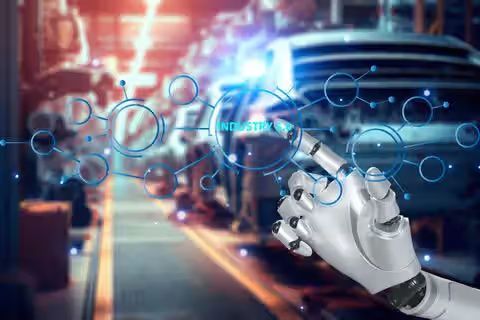
These innovations reflect the broader trend toward Industry 4.0, where connected machines share data to improve productivity and reduce downtime.
Regulatory and Compliance Considerations
Waterjet cutters operate within regulatory frameworks related to industrial safety, environmental protection, and workplace standards. While regulations differ across regions, common compliance areas include:
-
Occupational safety standards for high-pressure equipment
-
Noise exposure limits in manufacturing facilities
-
Water discharge and waste management regulations
-
Abrasive material disposal guidelines
Workplace safety authorities typically require proper shielding around cutting areas to protect operators from high-pressure streams. Training programs are often mandatory to ensure safe operation of precision manufacturing equipment.
Environmental regulations may address water recycling systems. Many industrial facilities use closed-loop filtration systems to reduce water consumption and prevent contamination. These systems help meet environmental compliance requirements.
Electrical and mechanical certification standards also apply. Machines must meet industrial equipment safety certifications before installation in production environments.
Understanding applicable regulations ensures that high-pressure cutting systems operate safely and responsibly within manufacturing settings.
Tools and Resources for Waterjet Technology
Several tools and digital platforms support effective use of CNC waterjet cutting systems.
CAD and CAM software is central to the process. Commonly used tools include:
-
AutoCAD
-
SolidWorks
-
Fusion 360
These programs allow engineers to design components and generate machine-ready files.
Material calculators and cutting parameter charts help determine:
-
Optimal pressure settings
-
Abrasive flow rate
-
Cutting speed
-
Edge quality settings
Industrial equipment manufacturers often provide digital dashboards for monitoring machine performance. These dashboards display system pressure, nozzle condition, and pump diagnostics in real time.
Water filtration and recycling systems are also important resources. Closed-loop filtration units help maintain consistent water quality and support compliance with environmental standards.
Below is a simplified comparison of cutting technologies:
| Feature | Waterjet Cutting | Laser Cutting | Plasma Cutting |
|---|---|---|---|
| Heat-Affected Zone | No | Yes | Yes |
| Material Versatility | Very High | Moderate | Moderate |
| Edge Finish Quality | High | High | Medium |
| Suitable for Thick Metals | Yes | Limited | Yes |
| Composite Material Cutting | Yes | Limited | Limited |
This table highlights why abrasive waterjet technology is widely used in precision-driven industries.
Frequently Asked Questions
What materials can waterjet cutters handle?
Waterjet cutters can process metals such as steel and aluminum, natural stone like granite and marble, glass, ceramics, rubber, foam, and composite materials. Abrasive systems expand the range significantly.
Is waterjet cutting considered environmentally responsible?
It can be more environmentally controlled than some thermal cutting methods. Many facilities use closed-loop water systems to reduce waste, and the absence of fumes improves air quality.
How accurate is CNC waterjet cutting?
Modern systems can achieve high precision, often within tight tolerances suitable for aerospace and medical components. Accuracy depends on machine calibration, nozzle condition, and programming quality.
Does waterjet cutting weaken materials?
No. Because it is a cold cutting process, it does not create a heat-affected zone. The original mechanical properties of the material remain intact.
What industries rely most on this technology?
Aerospace, automotive, architecture, electronics, defense manufacturing, and renewable energy sectors frequently use precision manufacturing equipment like waterjet cutters.
Conclusion
Waterjet cutters represent a critical advancement in industrial cutting technology. By using high-pressure water streams, with or without abrasives, they provide precise, flexible, and material-friendly cutting solutions.
Their importance continues to grow in industries where structural integrity, accuracy, and adaptability are essential. Recent developments in pump efficiency, digital monitoring, and automation have strengthened their role within modern fabrication environments.