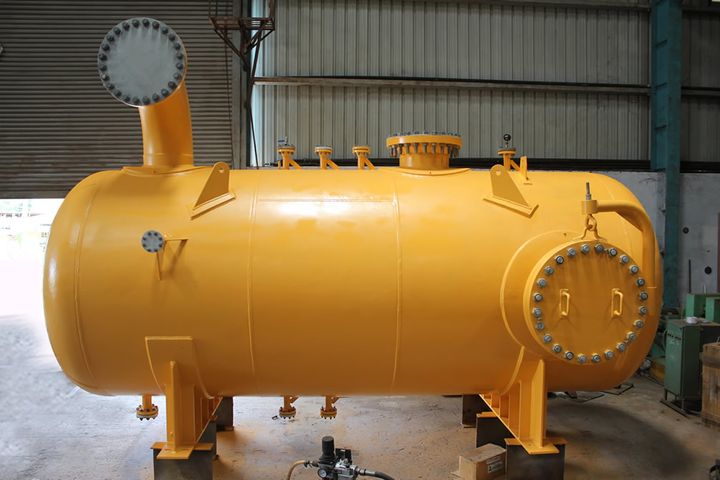
Explore Separator Vessels: Explanation, Key Details, and Industry Insights
Separator vessels are essential components in oil and gas processing and other industrial separation systems. These engineered pressure vessels are designed to divide mixtures of liquids and gases into separate phases. In upstream oil and gas operations, extracted fluids often contain crude oil, natural gas, water, and sometimes solids. A separator vessel ensures that each component is safely and efficiently separated for further handling and processing.
These vessels exist because raw production streams are rarely pure. Without controlled separation, transportation, storage, and refining would be inefficient and potentially unsafe. Separator vessels help maintain operational stability, protect downstream equipment, and meet environmental and regulatory requirements.
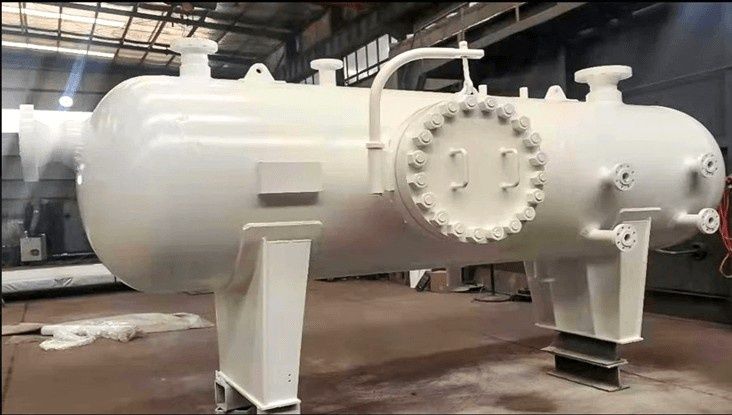
Context: What Separator Vessels Are and Why They Exist
Separator vessels are typically cylindrical steel containers built to withstand high pressure and temperature. They are categorized mainly as:
• Two-phase separators (gas-liquid separation)
• Three-phase separators (gas-oil-water separation)
• Vertical separators
• Horizontal separators
• Spherical separators
In oil and gas processing equipment, a three phase separator is widely used. It separates natural gas at the top, oil in the middle, and water at the bottom through gravity settling and internal components such as inlet diverters, mist extractors, and weirs.
The design of these vessels follows strict engineering standards such as American Petroleum Institute guidelines and ASME Boiler and Pressure Vessel Code. These frameworks ensure mechanical integrity, safety, and operational reliability.
Separator vessels exist because:
• Produced fluids are mixed under high pressure
• Pipelines require phase-specific transport
• Refineries demand stabilized feedstock
• Environmental discharge rules require treated water
Without separation systems, oil and gas production would face equipment damage, flow instability, and safety hazards.
Importance: Why Separator Vessels Matter Today
Modern energy systems depend on efficient upstream oil and gas technology. Separator vessels play a critical role in maintaining:
• Production efficiency
• Equipment longevity
• Environmental compliance
• Workplace safety
They affect multiple stakeholders:
• Petroleum engineers and plant operators
• Environmental compliance teams
• Pipeline infrastructure managers
• Refinery process engineers
Below is a simplified table explaining how separator vessels solve operational problems:
| Challenge in Production Stream | Separator Vessel Function | Result |
|---|---|---|
| Gas carryover in oil lines | Gas disengagement section | Stable liquid transport |
| Water mixed with crude | Gravity separation & weir control | Improved crude quality |
| Liquid droplets in gas | Mist extractor pads | Cleaner gas output |
| Slug flow fluctuations | Surge volume management | Equipment protection |
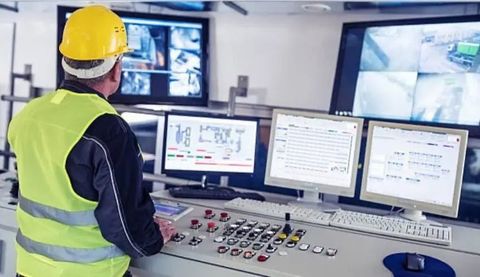
In digital oilfield systems, separator vessels also integrate sensors and automation systems to monitor pressure, level, and temperature in real time. This supports predictive maintenance and reduces operational risk.
From an environmental perspective, produced water treatment begins at the separator stage. Proper separation reduces hydrocarbon discharge and supports sustainability goals across the energy sector.
Recent Updates and Industry Trends
In the past year, industrial separation systems have seen measurable innovation in design and monitoring technology.
One trend involves advanced computational fluid dynamics (CFD) modeling to improve separator vessel performance. Engineering teams use simulation tools to optimize internal components and reduce turbulence, leading to more accurate phase separation.
Another development includes smart instrumentation. Digital pressure transmitters and level control systems are now integrated with industrial IoT platforms, enabling remote monitoring and automated shutdown systems in case of abnormal pressure conditions.
Modular skid-mounted separator units have also gained attention in offshore and remote operations. These compact systems allow easier transportation and faster field deployment while maintaining compliance with API standards and ASME pressure vessel requirements.
Additionally, energy transition initiatives have increased interest in carbon capture systems. Separator vessel technology is being adapted to support gas conditioning and separation processes in carbon management projects.
Industry conferences and technical forums have highlighted improved corrosion-resistant alloys and internal coatings that extend vessel lifespan in harsh production environments.
Laws and Regulatory Framework
Separator vessels operate under strict safety and environmental regulations. These regulations typically address:
• Pressure vessel construction standards
• Material certification
• Inspection intervals
• Emissions control
• Produced water discharge limits
Engineering codes such as those developed by the American Petroleum Institute and ASME provide design, fabrication, and inspection guidelines. These codes are often incorporated into national industrial safety regulations.
Environmental agencies establish limits for hydrocarbon content in discharged water. Separator vessels are the first stage in meeting those discharge thresholds. Regular inspection programs, non-destructive testing (NDT), and pressure testing procedures are mandatory to ensure compliance.
Workplace safety laws also require:
• Pressure relief valves
• Emergency shutdown systems
• Hazardous area classification
• Operator training documentation
Failure to comply with these regulatory standards can result in operational shutdowns and environmental penalties. Therefore, regulatory alignment is central to separator vessel design and maintenance.
Tools and Resources
Several engineering tools and digital resources support separator vessel design and operation.
Process Simulation Software
• Aspen HYSYS
• Schlumberger Symmetry
• COMSOL Multiphysics
These tools model phase behavior and fluid dynamics in oil and gas processing equipment.
Pressure Vessel Design Calculators
• ASME compliance calculators
• Wall thickness design spreadsheets
• Mechanical stress analysis tools
Monitoring and Control Systems
• SCADA platforms
• Industrial IoT dashboards
• Digital twin modeling software
Reference Standards and Technical Publications
• API specification manuals
• ASME Boiler and Pressure Vessel Code
• Technical papers from the Society of Petroleum Engineers
Below is a simplified performance comparison graph showing separation efficiency relative to vessel type:
Separation Efficiency (Conceptual Illustration)
Horizontal Separator ████████████ 92%
Vertical Separator ██████████ 88%
Three Phase Separator █████████████ 95%
Note: Values shown are illustrative for educational purposes and vary based on design and operating conditions.
These tools and resources help engineers ensure accurate separator sizing, compliance with safety standards, and optimized production output.
Frequently Asked Questions
What is the main function of a separator vessel?
A separator vessel divides mixed production fluids into separate phases such as gas, oil, and water. This ensures safe transport and further processing.
What is the difference between a two-phase and three-phase separator?
A two-phase separator removes gas from liquid. A three-phase separator separates gas, oil, and water simultaneously using gravity and internal flow controls.
How does pressure vessel design affect safety?
Proper pressure vessel design ensures structural integrity under high pressure and temperature. Compliance with ASME and API standards reduces the risk of rupture or leakage.
Where are separator vessels commonly used?
They are widely used in upstream oil and gas facilities, refineries, petrochemical plants, and certain industrial manufacturing processes requiring phase separation.
How often are separator vessels inspected?
Inspection intervals depend on regulatory requirements and operating conditions. Typically, routine visual inspections, non-destructive testing, and periodic pressure testing are conducted as part of maintenance programs.
Conclusion
Separator vessels are fundamental to oil and gas processing and industrial separation systems. They enable efficient separation of gas, oil, and water from raw production streams, ensuring operational stability and environmental compliance.
Their importance extends beyond mechanical function. They support safety standards, regulatory adherence, digital monitoring integration, and sustainability initiatives. Recent advancements in smart instrumentation, CFD modeling, and corrosion-resistant materials continue to improve their performance.