Explore Personalised Card Design: A Complete Guide with Tips, Insights, and Creative Ideas
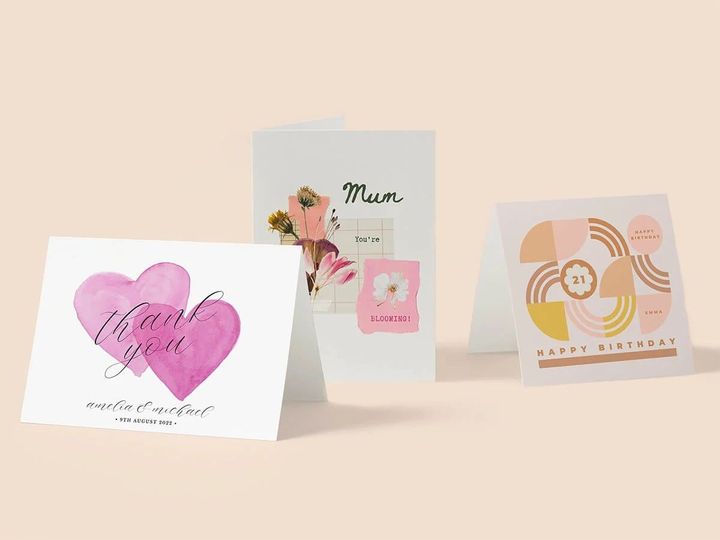
Personalised card design refers to the creation of greeting cards, invitations, thank-you notes, business cards, or event announcements tailored to a specific individual, message, or occasion. Unlike standard templates with generic wording, personalised designs reflect unique preferences, names, themes, colors, and creative elements.
The idea behind personalised card design emerged from the human need for meaningful communication. Historically, handwritten letters and handcrafted cards were primary ways to express emotions. With the rise of digital technology and graphic design software, this tradition evolved into a more structured and visually refined process.
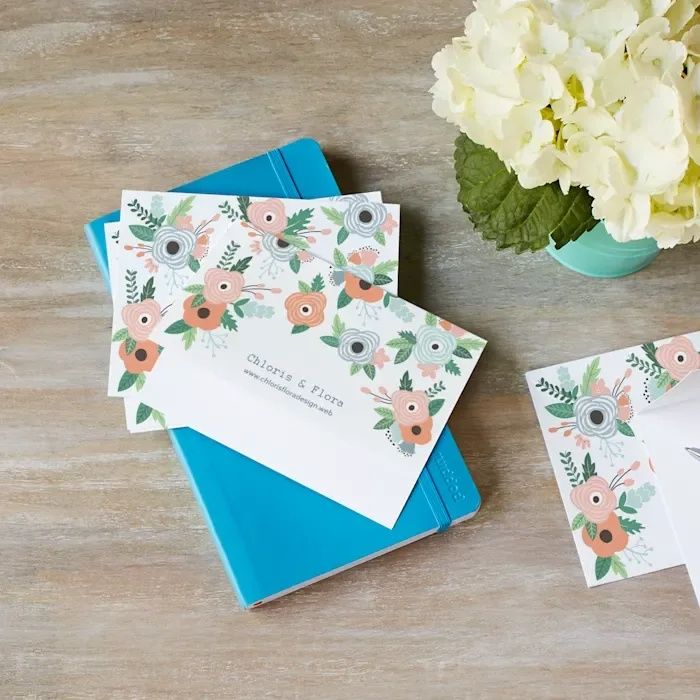
Today, personalised card design combines creative content development with digital illustration tools, typography principles, and layout planning. It exists to help individuals and organizations communicate messages in a more thoughtful, visually appealing way. Whether used for personal celebrations, corporate branding strategy, or social events, customised cards create a stronger emotional connection.
Why Personalised Card Design Matters Today
In a digital world dominated by instant messaging and social media posts, personalised cards provide a tangible and memorable alternative. They stand out because they require thought, planning, and intentional design.
Personalised card design matters for several reasons:
-
Emotional Impact: A customised message feels more sincere and meaningful than a generic format.
-
Brand Identity: Businesses use personalised cards to reinforce brand consistency through typography, color schemes, and logo placement.
-
Event Planning: Weddings, birthdays, and professional gatherings benefit from coordinated design themes.
-
Creative Expression: Designers and individuals can showcase artistic skills using graphic design software and digital illustration tools.
-
Marketing Communication: In digital marketing design, personalised visuals improve engagement and response rates.
The following table compares generic and personalised card formats:
| Feature | Generic Card | Personalised Card Design |
|---|---|---|
| Message Content | Pre-written text | Custom-written message |
| Visual Identity | Standard template | Tailored layout & colors |
| Emotional Value | Moderate | High |
| Branding Consistency | Limited | Strong alignment |
| Creative Flexibility | Minimal | Extensive |
As communication becomes more visual, people increasingly value designs that reflect personality and purpose. This shift has encouraged greater interest in typography principles, layout balance, and storytelling through design.
Recent Updates and Design Trends
Personalised card design continues to evolve alongside advancements in technology and environmental awareness. Over the past year, several notable trends have influenced how designers approach card creation.
One major development is the integration of artificial intelligence in graphic design software. AI-powered layout suggestions and automated typography pairing tools help streamline the creative workflow. These features assist beginners while allowing professionals to refine details more efficiently.
Sustainability has also become more prominent. Designers increasingly choose recyclable paper, plant-based inks, and minimalist layouts to reduce material usage. Environmental considerations now influence both digital and print design guidelines.
Another growing trend is hybrid design. Cards often include QR codes that connect recipients to digital content such as video messages, event details, or interactive galleries. This blend of physical and digital media enhances engagement without replacing traditional formats.
Typography trends have shifted toward clean serif fonts, handwritten script combinations, and bold headline contrasts. Meanwhile, muted color palettes and soft gradients remain popular in modern layouts.
Laws, Policies, and Regulatory Considerations
Personalised card design may appear purely creative, but it is influenced by broader regulatory frameworks. While regulations vary by region, several general policy areas affect designers and creators.
Intellectual property laws protect original artwork, typography, and graphic compositions. Designers must ensure they use licensed fonts, stock images, and illustrations. Unauthorized reproduction of copyrighted materials can result in legal issues.
Data protection regulations also apply when personal information is included in a card. For example, event invitations may display names, contact details, or addresses. Privacy laws in many countries require responsible handling of personal data.
Advertising standards can influence corporate card design when cards include promotional messaging. Claims must be truthful and not misleading. Transparency in communication helps maintain compliance with consumer protection policies.
Environmental policies encourage sustainable production practices. Some regions promote eco-friendly printing methods and responsible sourcing of paper materials.
Understanding these regulatory aspects ensures that personalised card design remains both creative and compliant.
Tools and Resources for Personalised Card Design
A wide range of digital tools supports personalised card design, from beginner-friendly editors to advanced professional platforms.
Popular design software includes:
-
Canva – Known for user-friendly custom greeting card templates and drag-and-drop editing features.
-
Adobe Illustrator – A professional vector-based design application suitable for detailed layout creation.
-
Adobe Photoshop – Ideal for photo-based card designs and advanced image editing.
-
Procreate – Frequently used for hand-drawn digital artwork on tablets.
Additional helpful resources include:
-
Typography pairing guides and font libraries
-
Color palette generators
-
Print design guidelines from professional printing associations
-
Mockup generators for previewing card layouts
-
Creative content development templates
When selecting tools, designers should consider project goals, complexity, and output format. Vector-based software is typically preferred for print clarity, while raster tools excel in photo manipulation.
Frequently Asked Questions
What is the difference between personalised and customised card design?
Personalised design focuses on adding specific names, messages, or details. Customised design may involve broader adjustments, including layout structure and visual identity.
Which file format is best for print design guidelines?
PDF is commonly recommended because it preserves layout consistency, color profiles, and typography formatting.
Can beginners create professional-looking personalised cards?
Yes. User-friendly graphic design software provides templates and guided layouts. Understanding basic typography principles and color balance improves results.
How does branding strategy relate to personalised cards?
Businesses use personalised cards to maintain consistent logos, fonts, and color schemes, reinforcing brand identity across communication materials.
Are digital cards replacing printed cards?
Digital cards are increasingly popular, but printed cards remain valued for their tactile and sentimental qualities. Many designs now combine both formats.
Conclusion
Personalised card design blends creativity, communication, and technology. It transforms simple messages into meaningful visual experiences by combining thoughtful writing with structured layout design.
As digital illustration tools continue to advance and sustainability becomes a central focus, the field evolves while maintaining its core purpose: meaningful expression. Understanding typography principles, print design guidelines, and regulatory considerations ensures that designs remain both attractive and responsible.