Explore Industrial Refrigerator Basics: A Complete Guide with Tips, Insights, and Practical Advice
Industrial refrigeration systems are large-scale cooling units designed to preserve perishable goods in commercial and industrial environments. Unlike household refrigerators, these systems are engineered for continuous operation, temperature precision, and high storage capacity. They are widely used in food processing, cold storage warehousing, pharmaceuticals, hospitality, and supply chain logistics.
Understanding how industrial refrigeration works is essential for maintaining food safety compliance, reducing energy consumption, and meeting regulatory standards. With increasing focus on energy efficiency, carbon emissions reduction, and cold chain optimization, industrial refrigerators have become a critical part of modern infrastructure.
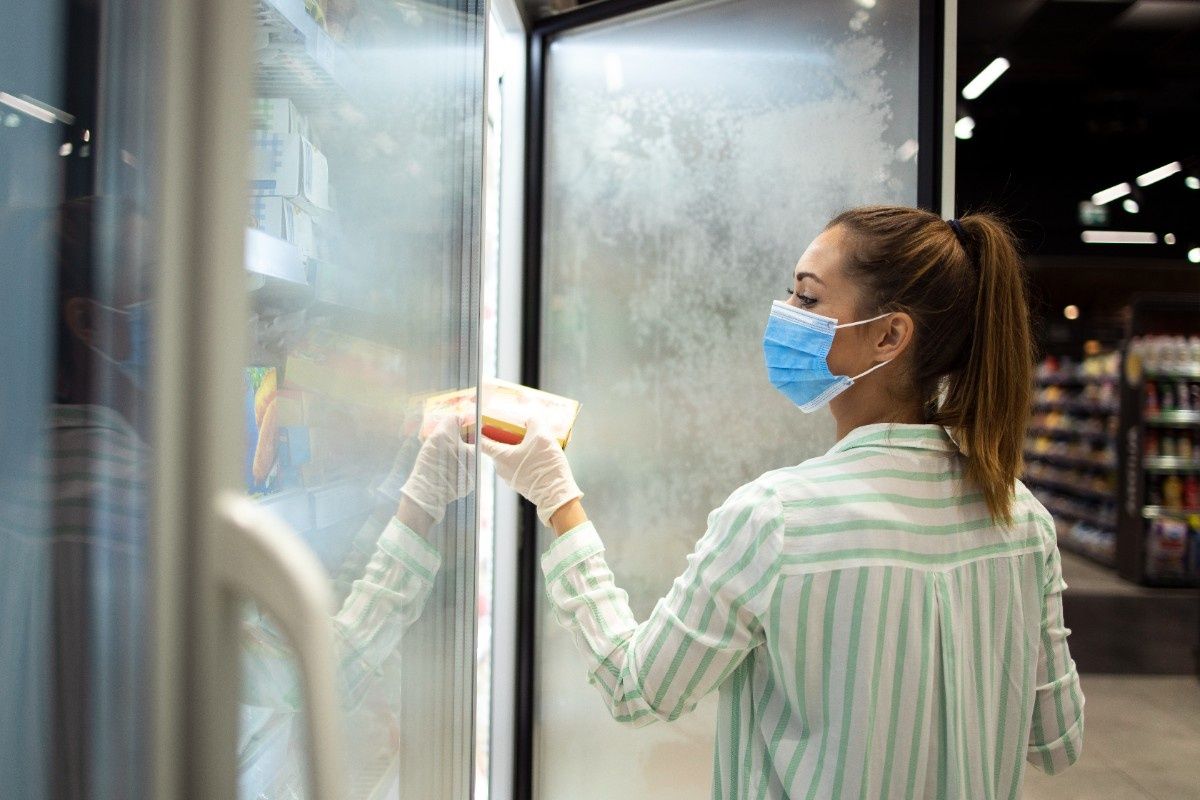
Context: What Industrial Refrigerators Are and Why They Exist
Industrial refrigerators are heavy-duty cooling systems built to store large volumes of temperature-sensitive products. They maintain consistent temperature ranges, often between -40°C and 10°C, depending on the application.
They exist to solve key challenges:
-
Prevent spoilage of perishable goods
-
Preserve pharmaceutical and medical supplies
-
Maintain cold chain logistics integrity
-
Support large-scale food processing operations
Common types include:
-
Walk-in coolers and freezers
-
Blast chillers
-
Reach-in industrial refrigerators
-
Centralized refrigeration systems for warehouses
Core components typically include:
-
Compressor
-
Condenser
-
Evaporator
-
Expansion valve
-
Refrigerant circulation system
These systems operate based on thermodynamic principles where refrigerants absorb heat and release it outside the storage space, ensuring controlled internal temperatures.
Importance: Why Industrial Refrigeration Matters Today
Industrial refrigeration plays a critical role in public health, supply chain efficiency, and environmental sustainability.
Key areas impacted include:
Food Safety and Compliance
Maintaining precise temperature control reduces bacterial growth, preventing foodborne illnesses and ensuring regulatory compliance.
Pharmaceutical Storage
Vaccines, biological samples, and medicines require stable temperature conditions. Even slight fluctuations can reduce product effectiveness.
Energy Efficiency and Sustainability
Refrigeration systems consume significant electricity. Improving refrigeration system optimization can lower carbon emissions and reduce energy waste.
Supply Chain Management
Global trade depends on reliable cold storage infrastructure. Industrial refrigerators help maintain product quality during storage and distribution.
The growing demand for frozen foods, ready-to-eat meals, and temperature-controlled logistics has further increased reliance on advanced refrigeration technologies.
Recent Updates and Industry Trends
In recent months, several developments have shaped the industrial refrigeration sector.
Shift Toward Natural Refrigerants
There has been increasing adoption of ammonia (NH3), carbon dioxide (CO2), and hydrocarbon refrigerants. These options have lower global warming potential compared to traditional synthetic refrigerants.
Digital Monitoring and IoT Integration
Modern systems now use smart sensors and remote monitoring dashboards. These technologies allow predictive maintenance, real-time temperature tracking, and energy performance analysis.
Energy Efficiency Regulations
Updated energy performance benchmarks have encouraged manufacturers to redesign systems with improved insulation, high-efficiency compressors, and variable speed drives.
Cold Chain Infrastructure Expansion
Growth in pharmaceutical distribution and processed food industries has led to expansion of cold storage facilities in multiple regions.
These trends reflect a broader movement toward sustainable refrigeration technology and energy-efficient industrial cooling systems.
Laws or Policies Affecting Industrial Refrigeration
Industrial refrigeration systems are influenced by environmental and safety regulations in many countries.
Refrigerant Regulations
Governments regulate high-global-warming-potential refrigerants. Phase-down programs aim to reduce hydrofluorocarbon (HFC) usage and promote climate-friendly alternatives.
Food Safety Standards
Cold storage facilities must comply with food safety guidelines that specify temperature ranges and monitoring practices. Authorities may require documentation and periodic inspections.
Energy Efficiency Standards
Minimum energy performance standards (MEPS) often apply to commercial refrigeration equipment. These standards encourage efficient compressors, better insulation, and optimized system design.
Occupational Safety Requirements
Large refrigeration systems using ammonia or other industrial refrigerants must follow workplace safety protocols, including ventilation systems and emergency response planning.
Compliance ensures operational safety, environmental protection, and product quality assurance.
Tools and Resources for Industrial Refrigeration Management
Several tools help facility managers improve refrigeration performance and compliance.
Energy Monitoring Systems
Digital dashboards track electricity usage, compressor cycles, and system efficiency metrics.
Temperature Data Loggers
Used to record internal temperatures for food safety compliance and audit documentation.
Refrigeration Load Calculators
Engineering tools help determine cooling capacity requirements based on storage size, insulation type, and product load.
Maintenance Management Software
Computerized maintenance systems schedule inspections, track component health, and reduce downtime.
Industry Standards Organizations
Professional associations provide technical guidelines, safety standards, and research updates related to refrigeration engineering and sustainable cooling technologies.
Below is a simplified comparison table of common refrigerants used in industrial systems:
| Refrigerant Type | Environmental Impact | Typical Use Case | Efficiency Level |
|---|---|---|---|
| Ammonia (NH3) | Low GWP | Large warehouses | High |
| CO2 | Very Low GWP | Supermarkets | Moderate–High |
| HFCs | Higher GWP | Older systems | Moderate |
| Hydrocarbons | Low GWP | Smaller systems | High |
Energy efficiency trends often show a gradual decline in power consumption per cooling unit due to improved technology:
Energy Use Trend (Illustrative)
Older Systems ██████████
Mid-Generation ████████
Modern Systems ██████
This simplified graph illustrates how system optimization reduces energy intensity over time.
FAQs About Industrial Refrigerators
What is the difference between industrial and commercial refrigeration?
Industrial refrigeration typically refers to large-scale systems used in warehouses, processing plants, and manufacturing facilities. Commercial refrigeration is generally smaller in scale, used in restaurants or retail stores.
How often should industrial refrigeration systems be inspected?
Routine inspections are commonly conducted monthly, with comprehensive maintenance performed quarterly or semi-annually, depending on usage and regulatory requirements.
What temperature range is considered safe for cold storage?
Chilled food storage is typically maintained between 0°C and 4°C, while frozen storage is often kept at -18°C or lower to prevent microbial growth.
Why are natural refrigerants becoming more popular?
Natural refrigerants have lower environmental impact and comply with updated climate policies aimed at reducing greenhouse gas emissions.
How does IoT improve refrigeration system performance?
IoT-enabled systems provide real-time monitoring, predictive maintenance alerts, and performance analytics, helping reduce downtime and energy consumption.
Conclusion
Industrial refrigerators are foundational to modern food safety systems, pharmaceutical storage, and global supply chains. They ensure temperature stability, regulatory compliance, and operational reliability in environments where precision is critical.
Recent advancements in energy-efficient refrigeration technology, natural refrigerants, and digital monitoring systems are transforming how these systems operate. At the same time, environmental regulations and food safety standards continue to shape design and operational practices.
For facility managers, engineers, and logistics planners, understanding industrial refrigeration basics supports better decision-making, improved energy management, and sustainable cold chain infrastructure development.