Explore Hydraulic Press Guide: Basics, Insights & Key Facts
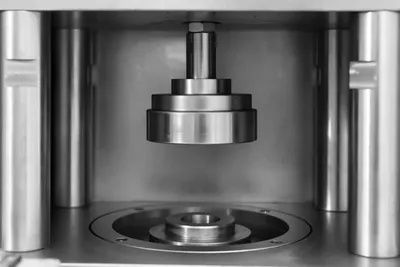
A hydraulic press is a mechanical machine that uses hydraulic pressure to generate compressive force. It works based on Pascal’s Law, which states that pressure applied to a confined fluid is transmitted equally in all directions. This principle allows a small amount of force applied at one point to produce a much larger force at another point.
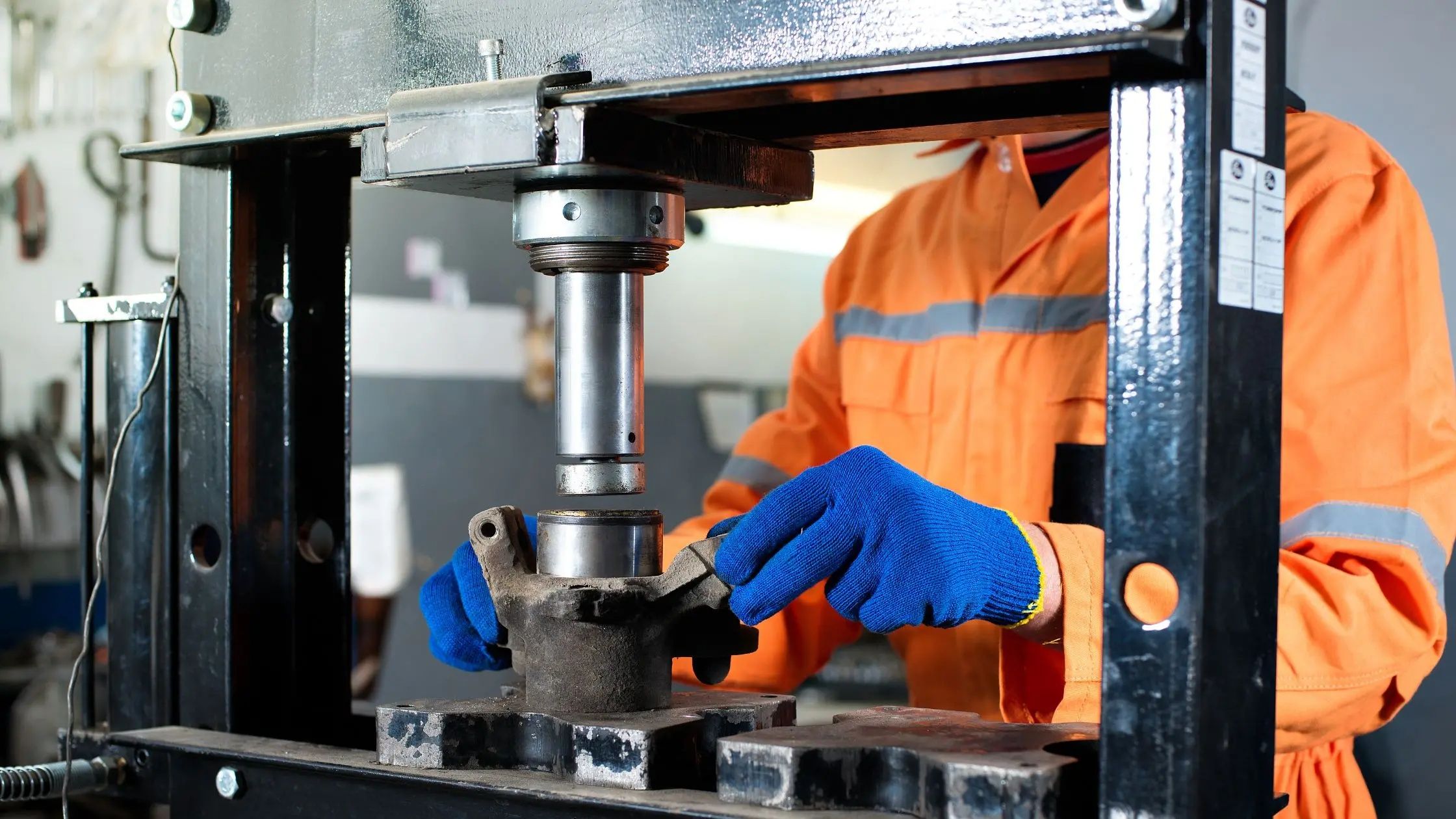
Hydraulic presses exist to simplify heavy industrial tasks such as metal forming, stamping, molding, forging, and assembly. Instead of relying solely on mechanical leverage or manual labor, these machines use fluid power to achieve consistent and controlled force.
The main components of a hydraulic press include:
-
Hydraulic cylinder
-
Piston or ram
-
Hydraulic pump
-
Control valves
-
Hydraulic fluid reservoir
-
Frame structure
When the pump pushes hydraulic fluid into the cylinder, the piston moves downward, applying pressure to the material placed on the press bed. This controlled force allows manufacturers to shape, compress, or assemble materials efficiently.
Hydraulic press technology is widely used in industries such as automotive manufacturing, aerospace engineering, construction equipment production, electronics assembly, and heavy machinery fabrication.
Why Hydraulic Press Technology Matters Today
Hydraulic presses remain essential in modern manufacturing and industrial automation. As global industries demand higher precision, durability, and productivity, hydraulic systems provide reliable force control and repeatable results.
Key reasons this technology matters today include:
-
Precision metal forming and shaping
-
Support for mass production environments
-
Improved industrial automation integration
-
Reduced material waste through controlled pressure
-
Compatibility with advanced engineering processes
Industries that benefit significantly from hydraulic press systems include:
-
Automotive component manufacturing
-
Aerospace structural fabrication
-
Consumer electronics production
-
Renewable energy equipment manufacturing
-
Construction and infrastructure projects
Hydraulic presses help solve several operational challenges:
-
Managing high-force applications safely
-
Maintaining consistent product quality
-
Reducing mechanical stress on equipment
-
Handling complex forming processes
With increased focus on smart manufacturing and Industry 4.0, hydraulic presses are being integrated with sensors, programmable logic controllers (PLCs), and data monitoring systems. This integration supports predictive maintenance and real-time performance tracking, improving operational reliability.
Recent Developments and Engineering Trends
Recent advancements in hydraulic press technology reflect broader trends in industrial automation and engineering innovation.
Some notable developments observed over the past year include:
-
Increased adoption of servo-hydraulic systems for energy efficiency
-
Integration with Industrial Internet of Things (IIoT) platforms
-
Enhanced safety interlock systems
-
Digital pressure monitoring dashboards
-
Hybrid press systems combining hydraulic and electric mechanisms
Servo-hydraulic presses use advanced motor control to regulate fluid movement more precisely. This improves energy efficiency and reduces idle power consumption.
Manufacturers are also incorporating advanced control panels with touchscreen interfaces. These systems allow operators to monitor pressure, cycle time, temperature, and performance metrics in real time.
Another key trend is sustainability. Modern hydraulic press systems are being designed to reduce hydraulic fluid leakage and minimize environmental impact. Improved sealing technology and eco-friendly hydraulic fluids contribute to greener industrial operations.
The shift toward data-driven manufacturing has made hydraulic press monitoring an important part of industrial analytics strategies. Sensors embedded in cylinders and pumps now provide continuous performance data that can support preventive maintenance planning.
Regulations, Safety Standards, and Compliance
Hydraulic press operations are influenced by industrial safety standards and workplace regulations. These rules focus on protecting operators, maintaining equipment integrity, and reducing workplace hazards.
Key regulatory areas include:
-
Machine guarding requirements
-
Emergency stop systems
-
Operator training standards
-
Maintenance documentation
-
Pressure system inspection protocols
Industrial safety frameworks emphasize proper installation, regular inspection, and documented maintenance procedures. Hydraulic systems operate under high pressure, and improper handling can pose safety risks.
In many regions, workplace safety authorities require:
-
Clear safety signage
-
Protective barriers around press zones
-
Two-hand control mechanisms
-
Lockout/tagout procedures during maintenance
Environmental policies may also apply to hydraulic fluid handling and disposal. Proper containment systems help prevent contamination and ensure compliance with environmental protection guidelines.
Manufacturers often align hydraulic press design with international industrial machinery standards to ensure consistent safety and operational reliability.
Technical Comparison of Hydraulic Press Types
Different types of hydraulic presses serve different industrial purposes. The following table outlines common variations and their typical applications:
| Type of Hydraulic Press | Primary Application | Force Range | Key Advantage |
|---|---|---|---|
| C-Frame Press | Light assembly and testing | Low to Medium | Compact design |
| H-Frame Press | Heavy metal forming | Medium to High | Structural strength |
| Four-Column Press | Precision molding | High | Even pressure distribution |
| Servo-Hydraulic Press | Automated production | Variable | Energy efficiency |
| Bench Press | Laboratory or small-scale work | Low | Space-saving |
Each configuration supports specific production needs. For example, four-column presses distribute force evenly across larger surfaces, making them suitable for composite material forming.
Tools and Resources for Learning and Implementation
Professionals and students interested in hydraulic press systems can explore various technical tools and educational resources.
Helpful resources include:
-
Engineering simulation software for hydraulic circuit design
-
CAD platforms for industrial machinery modeling
-
Online hydraulic pressure calculators
-
PLC programming tutorials
-
Industrial automation training platforms
-
Safety compliance checklists and documentation templates
Digital tools now allow engineers to simulate hydraulic pressure behavior before physical implementation. This reduces design errors and improves performance optimization.
Educational institutions and technical organizations provide structured courses in fluid power engineering and industrial automation systems. These learning resources support workforce development and technical skill enhancement.
Industry publications and engineering journals also publish research on hydraulic system efficiency, fluid dynamics, and industrial safety advancements.
Frequently Asked Questions
What is the main advantage of a hydraulic press compared to a mechanical press?
A hydraulic press provides consistent and controllable force throughout the stroke. Mechanical presses typically deliver peak force at a specific point, while hydraulic systems allow uniform pressure application.
How does Pascal’s Law relate to hydraulic presses?
Pascal’s Law explains how pressure applied to a confined fluid is transmitted equally in all directions. This principle allows hydraulic presses to multiply force efficiently.
Are hydraulic presses energy efficient?
Modern servo-hydraulic systems improve energy efficiency by controlling motor speed based on demand. Traditional systems may consume more energy during idle periods.
What safety measures are essential when operating a hydraulic press?
Essential measures include proper machine guarding, emergency stop mechanisms, regular maintenance checks, operator training, and lockout procedures during servicing.
Can hydraulic presses be integrated into smart factories?
Yes. Many modern presses include sensors, PLC integration, and IIoT connectivity. These features support predictive maintenance and digital performance monitoring.
Conclusion
Hydraulic presses play a foundational role in modern industrial machinery and advanced manufacturing systems. By applying Pascal’s Law through controlled hydraulic pressure, these machines deliver reliable force for metal forming, molding, assembly, and structural fabrication.
As manufacturing evolves toward automation, digital monitoring, and sustainability, hydraulic press technology continues to adapt. Innovations such as servo-hydraulic systems, smart sensors, and industrial data integration highlight the growing importance of intelligent machinery.
Understanding hydraulic system basics, safety regulations, and emerging engineering trends allows businesses, engineers, and students to better navigate the evolving landscape of industrial automation.