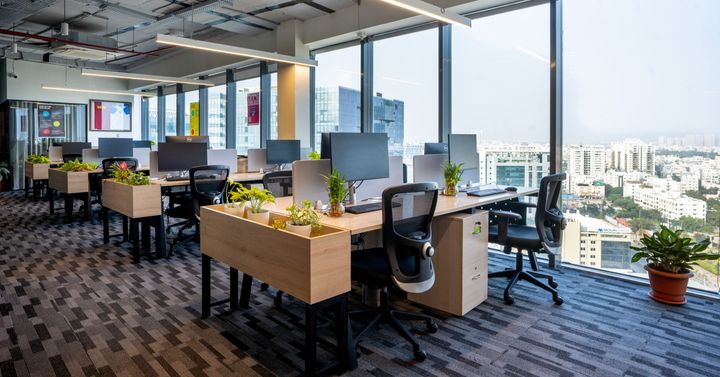
Explore Co-Working Spaces: An Overview with Basics, Facts, and Key Information
Co-working spaces are shared work environments designed for individuals and organizations to carry out professional activities in a flexible and collaborative setting. Unlike traditional offices, these spaces allow people from different industries to work under one roof while using shared infrastructure such as desks, meeting rooms, and digital connectivity tools.
The concept exists to address changing work patterns driven by digital transformation, remote work adoption, and the need for adaptable workspace solutions. As technology reduced dependence on fixed offices, co-working spaces emerged as structured environments that support productivity, collaboration, and professional interaction without long-term commitments.
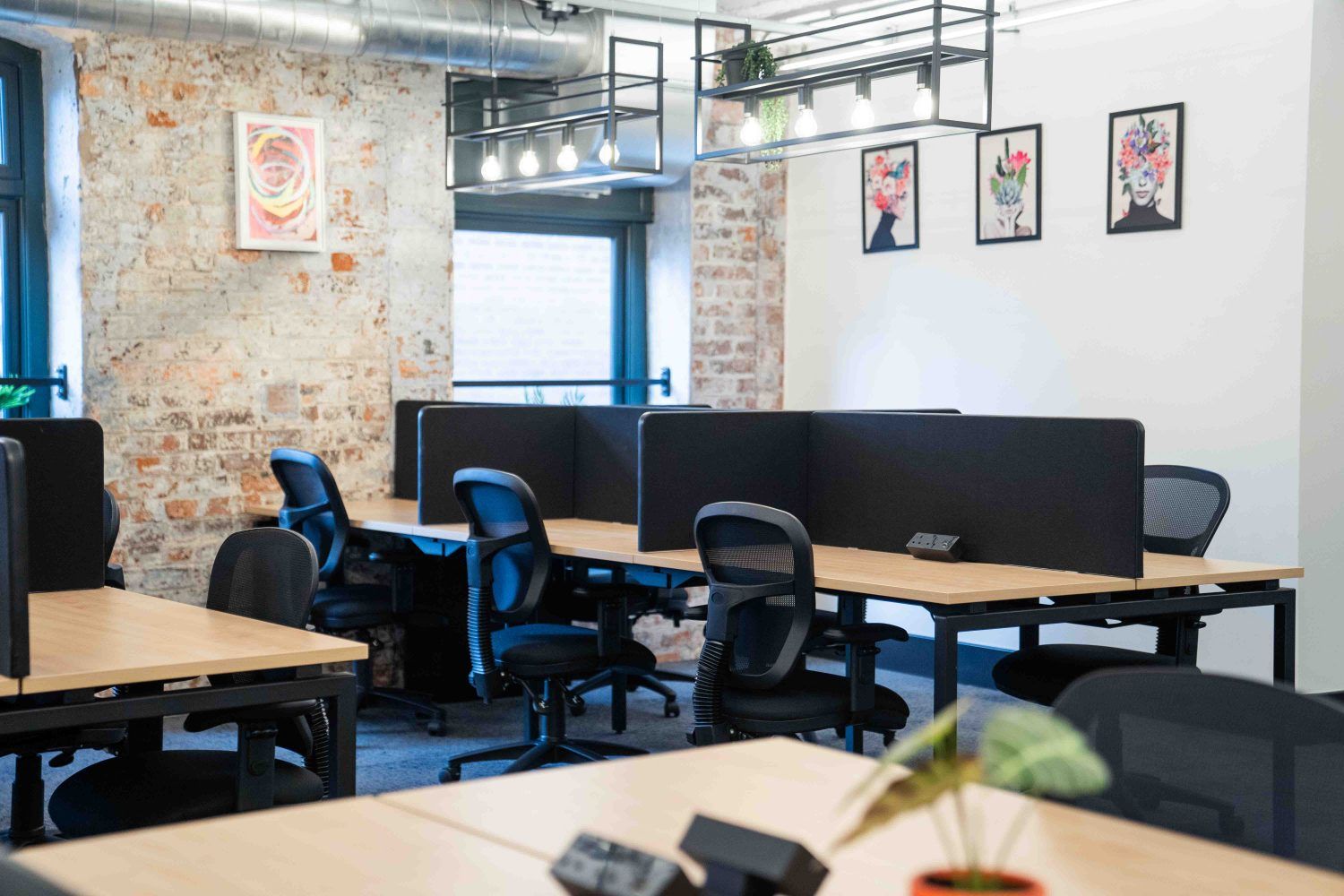
These spaces typically balance privacy and openness. Some areas support focused individual work, while others encourage discussion, teamwork, and networking. The model supports a wide range of users, including independent professionals, small teams, creative workers, and distributed corporate units.
Importance: Why Co-Working Spaces Matter Today
Co-working spaces play an important role in the modern work ecosystem by responding to evolving professional needs. As work becomes more digital and location-independent, structured shared environments help maintain efficiency and accountability.
Key reasons this topic matters include:
-
Increasing adoption of remote and hybrid work models
-
Growing demand for flexible commercial real estate solutions
-
Rising focus on collaboration, innovation, and knowledge sharing
-
Need for professional infrastructure without permanent office setups
These spaces affect multiple groups such as entrepreneurs, consultants, startups, educators, and organizations managing distributed teams. They help reduce isolation often associated with remote work while supporting structured daily routines.
From a broader perspective, co-working environments contribute to urban workspace optimization. They allow better utilization of office infrastructure and reduce the need for underused private offices. This helps address challenges related to space efficiency, commuting patterns, and work-life balance.
Recent Updates: Changes and Emerging Trends
Co-working spaces have evolved significantly due to shifts in work culture and technology adoption. Recent developments show a move toward more specialized and experience-focused environments rather than generic shared offices.
Notable trends include:
-
Increased focus on hybrid workspace design supporting both virtual and in-person collaboration
-
Growth of niche co-working spaces dedicated to specific industries or professional communities
-
Integration of advanced workspace management software and digital access systems
-
Emphasis on wellness features such as ergonomic layouts and quiet zones
The following table highlights how co-working spaces are adapting to new expectations:
| Feature Area | Earlier Focus | Current Direction |
|---|---|---|
| Layout | Open desks | Zoning for focus and collaboration |
| Technology | Basic internet | Smart access and analytics |
| Community | Informal networking | Structured professional engagement |
| Design | Functional | Experience-driven environments |
These changes reflect a shift from purely shared desks toward intelligent work environments that support productivity, security, and flexibility.
Laws or Policies: Regulatory Influence on Co-Working Spaces
Co-working spaces operate within broader frameworks related to commercial property usage, workplace safety standards, and data protection regulations. While specific rules vary by region, common regulatory considerations influence how these spaces are designed and managed.
Key regulatory areas include:
-
Building and occupancy compliance for shared work environments
-
Health and safety standards covering ventilation, fire protection, and emergency access
-
Digital privacy requirements for shared networks and data handling
-
Zoning regulations affecting mixed-use commercial spaces
Government programs supporting entrepreneurship and innovation ecosystems have also indirectly influenced the expansion of co-working spaces. These initiatives often encourage shared infrastructure and collaborative environments to support economic development and professional skill growth.
Understanding regulatory alignment is essential for maintaining secure, compliant, and professionally managed co-working environments.
Tools and Resources: Helpful Platforms and Utilities
A variety of digital tools and resources support the effective use and management of co-working spaces. These tools enhance organization, communication, and operational efficiency.
Commonly used resources include:
-
Workspace management software for desk allocation and scheduling
-
Collaboration platforms supporting messaging and virtual meetings
-
Productivity and time-tracking applications
-
Access control systems for secure entry management
-
Data analytics dashboards for space utilization insights
The table below outlines how different tools support co-working environments:
| Tool Category | Primary Function |
|---|---|
| Workspace platforms | Desk and room scheduling |
| Collaboration apps | Team communication |
| Analytics tools | Usage insights |
| Access systems | Entry and security control |
| Productivity tools | Task and time management |
These resources help users and administrators maintain organized workflows while improving overall workspace efficiency.
FAQs: Common Questions About Co-Working Spaces
What types of professionals use co-working spaces?
Co-working spaces are used by independent professionals, small teams, creative workers, educators, and distributed organizational units seeking flexible work environments.
How are co-working spaces different from traditional offices?
They emphasize shared infrastructure, flexible usage, and collaborative environments rather than fixed layouts and long-term office arrangements.
Are co-working spaces suitable for focused work?
Yes. Many spaces include quiet zones, private work areas, and sound-managed rooms to support concentration alongside collaborative areas.
How do co-working spaces support collaboration?
They provide shared meeting areas, community events, and digital collaboration tools that encourage interaction across different professional backgrounds.
What role does technology play in co-working spaces?
Technology supports access control, workspace organization, digital collaboration, and data-driven space optimization.
Conclusion
Co-working spaces represent a significant shift in how professional environments are structured and utilized. They exist to support modern work patterns shaped by digital connectivity, flexible schedules, and collaborative cultures.
Their importance continues to grow as professionals seek adaptable environments that balance independence with community interaction. Ongoing developments show a clear movement toward smarter, more specialized, and experience-focused workspaces.
By understanding the context, importance, regulatory influence, and supporting tools associated with co-working spaces, individuals and organizations can better navigate the evolving workspace landscape. These environments are not simply shared offices; they are structured ecosystems designed to support productivity, innovation, and professional engagement in a changing world.