Electric Forklifts Explained: Basics, Insights, and Helpful Guide
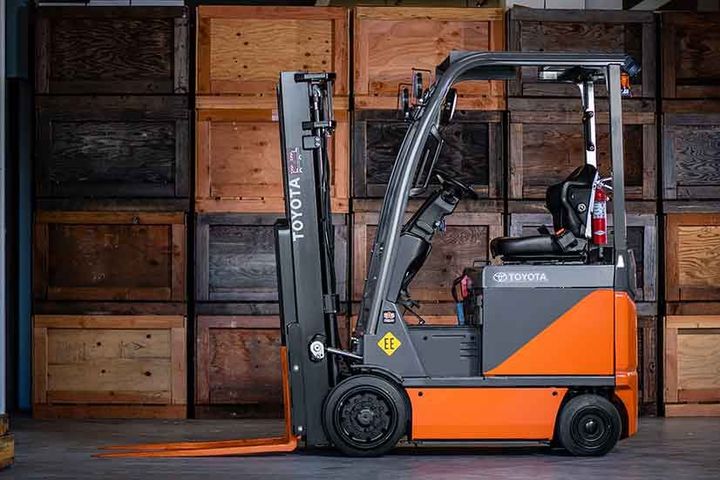
Electric forklifts are powered by rechargeable batteries instead of diesel, gasoline, or LPG engines. They use electric motors to drive the vehicle and lift loads through a hydraulic system.
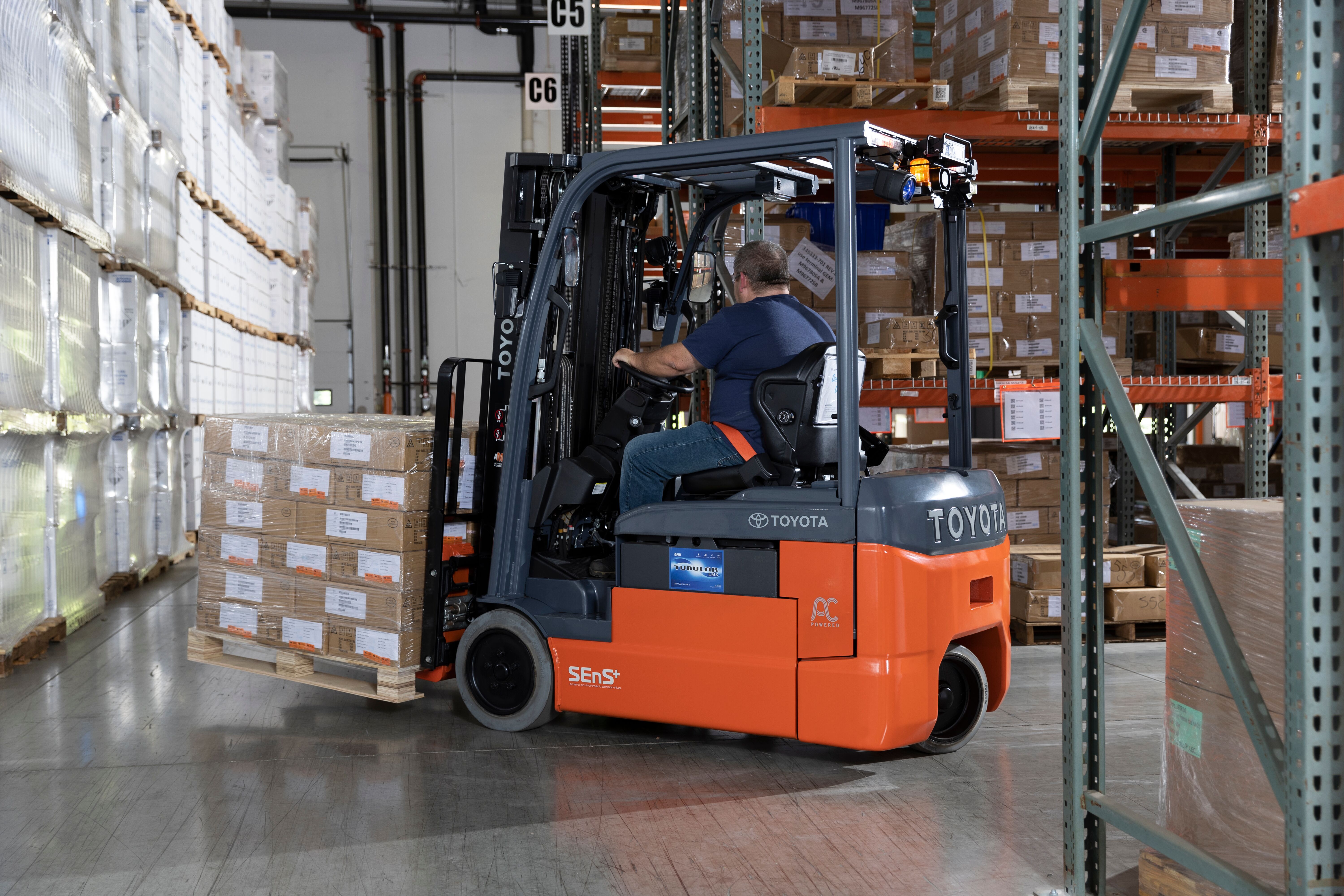
The primary purpose of an electric forklift is to move, lift, stack, and transport materials over short distances within industrial facilities. Their compact design and smooth operation make them particularly suitable for indoor environments such as warehouses, retail distribution centers, and storage facilities.
Key components typically include:
-
Battery system – Often lithium-ion or lead-acid batteries that power the vehicle
-
Electric drive motor – Responsible for movement
-
Hydraulic lifting system – Controls lifting and lowering of loads
-
Mast and forks – Used to raise and carry pallets or materials
-
Electronic control systems – Manage speed, braking, and safety features
Electric forklifts differ from internal combustion forklifts mainly in their energy source and emissions profile. Because they do not rely on fuel combustion, they produce zero tailpipe emissions and generally operate more quietly.
Industries commonly using electric forklifts include:
| Industry | Typical Use |
|---|---|
| Warehousing | Pallet transport and storage |
| Manufacturing | Moving components and materials |
| Retail distribution | Loading and unloading goods |
| Food and beverage | Handling packaged products |
| Pharmaceuticals | Indoor logistics with strict air quality |
Another advantage of electric forklifts is their ability to operate in confined indoor spaces due to minimal noise and lack of exhaust emissions.
Why Electric Forklifts Matter in Modern Logistics
The growing demand for faster supply chains, automation, and environmentally responsible operations has increased interest in electric material handling equipment.
Electric forklifts play an important role in addressing several operational challenges.
Improved workplace conditions
Electric forklifts generate less noise compared to combustion-powered equipment. This helps create a more comfortable working environment in large indoor facilities where multiple vehicles operate simultaneously.
Reduced indoor emissions
Because they do not release exhaust gases, electric forklifts support better air quality in enclosed spaces such as warehouses, cold storage units, and production floors.
Energy efficiency
Electric motors typically convert energy more efficiently than combustion engines. This can improve operational efficiency in facilities where forklifts run continuously.
Compatibility with automation
Modern warehouses increasingly rely on digital monitoring systems, sensors, and fleet management platforms. Electric forklifts often integrate more easily with these systems due to their electronic control architecture.
Sustainability initiatives
Many organizations aim to reduce carbon emissions and environmental impact across supply chains. Electric material handling equipment aligns with these goals by reducing direct emissions during operation.
The global expansion of e-commerce and large-scale logistics networks has made efficient warehouse movement systems more important than ever.
Recent Developments and Technology Trends
The electric forklift sector has experienced notable technological progress over the past year, particularly in battery technology, fleet connectivity, and automation.
Some important developments include:
Growth of lithium-ion batteries
Lithium-ion batteries are increasingly replacing traditional lead-acid batteries in industrial vehicles. They provide faster charging cycles, consistent power output, and longer operational lifespans.
Many manufacturers introduced upgraded lithium-ion forklift platforms during the past year, enabling continuous operation with opportunity charging during breaks.
Smart fleet management systems
Digital fleet monitoring platforms have become more common. These systems collect operational data such as:
-
Usage hours
-
Battery performance
-
Maintenance alerts
-
Operator behavior
-
Vehicle location within facilities
Managers use this information to improve equipment utilization and identify safety risks.
Integration with warehouse automation
Electric forklifts are increasingly integrated with warehouse management systems (WMS) and automated material handling environments.
Some facilities use semi-autonomous or guided forklift systems that interact with sensors, QR floor markers, or indoor positioning technologies.
Improved battery safety features
Battery management systems (BMS) now include temperature monitoring, charge optimization, and predictive diagnostics. These technologies help prevent overheating and improve battery lifespan.
Enhanced ergonomic designs
Recent forklift models include improved operator cabins, adjustable controls, and better visibility to reduce fatigue during long shifts.
The combination of digital monitoring, efficient batteries, and automation integration is shaping the next phase of warehouse equipment technology.
Regulatory and Safety Frameworks
Material handling equipment, including electric forklifts, is influenced by workplace safety regulations and environmental standards in many regions.
These regulations generally focus on:
Operator training and certification
Many workplace safety frameworks require forklift operators to receive formal training. The training typically covers:
-
Equipment controls
-
Safe lifting techniques
-
Load balancing
-
Hazard awareness
-
Emergency procedures
Certified operators help reduce accidents in high-traffic warehouse environments.
Workplace safety standards
Safety guidelines usually address issues such as:
-
Maximum load capacities
-
Vehicle maintenance requirements
-
Pedestrian safety zones
-
Speed limits inside warehouses
Employers often implement internal safety programs based on these regulatory standards.
Battery handling and charging rules
Because forklift batteries store large amounts of energy, facilities must follow specific procedures for charging, storage, and ventilation in battery charging areas.
Environmental policies
Some environmental programs encourage the transition from combustion-powered equipment to electric alternatives in order to reduce industrial emissions.
While specific requirements vary between jurisdictions, safety compliance remains a core aspect of forklift operation in any industrial environment.
Digital Tools and Useful Resources
Several digital tools and online resources help warehouse managers and logistics professionals understand, monitor, and optimize electric forklift usage.
These tools range from battery monitoring software to fleet analytics platforms.
Fleet management software
Fleet management platforms track equipment usage and performance.
Typical features include:
-
Vehicle utilization reports
-
Maintenance scheduling
-
Safety event monitoring
-
Battery status tracking
Examples of capabilities often provided by these systems:
| Feature | Purpose |
|---|---|
| Usage tracking | Monitor equipment activity |
| Battery analytics | Evaluate energy consumption |
| Maintenance alerts | Identify service needs |
| Safety reporting | Track operational incidents |
Battery monitoring systems
Battery management software helps monitor charging cycles, battery health, and temperature levels. These systems are particularly important for lithium-ion battery fleets.
Warehouse management systems (WMS)
A WMS coordinates inventory movement, storage locations, and order fulfillment. Electric forklifts often integrate with these systems to optimize pallet movement.
Training platforms
Online learning platforms provide educational modules covering forklift operation, warehouse safety procedures, and equipment handling practices.
Operational calculators
Some industrial planning tools estimate warehouse throughput, forklift utilization rates, and equipment productivity based on facility layout and inventory flow.
A simplified operational flow often looks like this:
Inventory Arrival
       ↓
Forklift Transport
       ↓
Warehouse Storage
       ↓
Order Picking
       ↓
Loading and Dispatch
Digital tools help optimize each stage of this workflow.
Frequently Asked Questions
What is the main difference between electric and fuel-powered forklifts?
Electric forklifts use rechargeable batteries to power electric motors, while fuel-powered forklifts rely on combustion engines that run on diesel, gasoline, or LPG. Electric forklifts produce no direct exhaust emissions and typically operate more quietly.
Where are electric forklifts commonly used?
They are commonly used in warehouses, manufacturing plants, distribution centers, retail storage facilities, and environments where indoor air quality is important.
How long does an electric forklift battery last during operation?
Operational duration depends on battery capacity, vehicle load, and usage patterns. Modern lithium-ion systems often support extended shifts with intermittent charging.
Are electric forklifts suitable for outdoor use?
Some models are designed for outdoor environments, especially on smooth surfaces such as loading docks or paved areas. However, internal combustion forklifts may still be used in rugged outdoor conditions.
Do electric forklifts require different maintenance compared to traditional forklifts?
Electric forklifts generally have fewer mechanical components than combustion models. Maintenance typically focuses on battery systems, electric motors, hydraulic systems, and safety checks.
Conclusion
Electric forklifts represent a significant advancement in material handling technology. Their quiet operation, energy efficiency, and compatibility with modern warehouse systems make them well suited for contemporary logistics environments.
As supply chains continue to evolve, the role of electric-powered industrial equipment is likely to expand. Improvements in battery technology, digital monitoring, and automation integration are shaping how warehouses operate and manage material movement.
Understanding how electric forklifts function, the technologies behind them, and the safety frameworks governing their use helps businesses and logistics professionals make informed decisions about warehouse operations.