Degassing Units Overview: Learn the Basics, Functions, and Industry Details
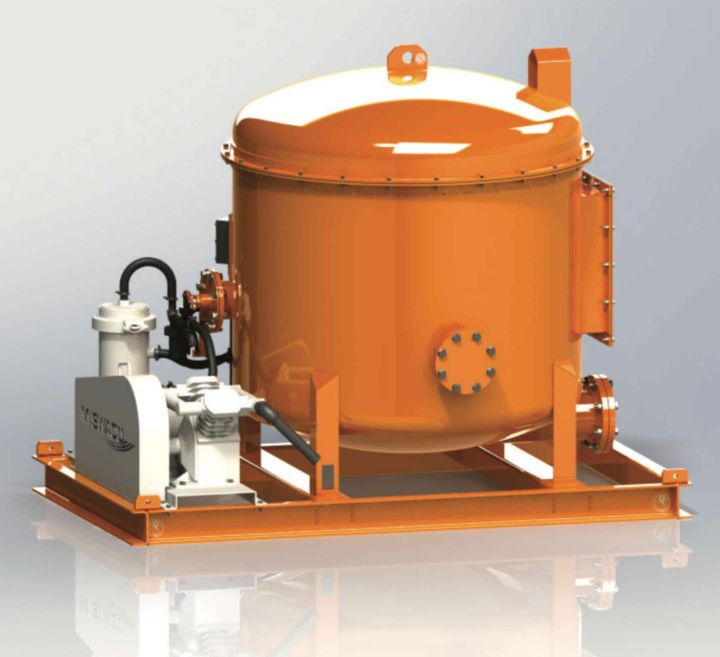
Degassing units are specialized industrial systems designed to remove dissolved gases from liquids or molten materials. In many industrial processes, gases such as oxygen, carbon dioxide, hydrogen, or nitrogen can remain trapped in fluids or metals. These gases may affect product quality, stability, or performance if they are not removed effectively.
Degassing technology exists because many production processes involve high temperatures, chemical reactions, or fluid handling systems where gases naturally become mixed with liquids. When these gases remain inside a material, they can create bubbles, structural weaknesses, or chemical instability. Degassing units help maintain product consistency by separating unwanted gases before the material continues through the production process.
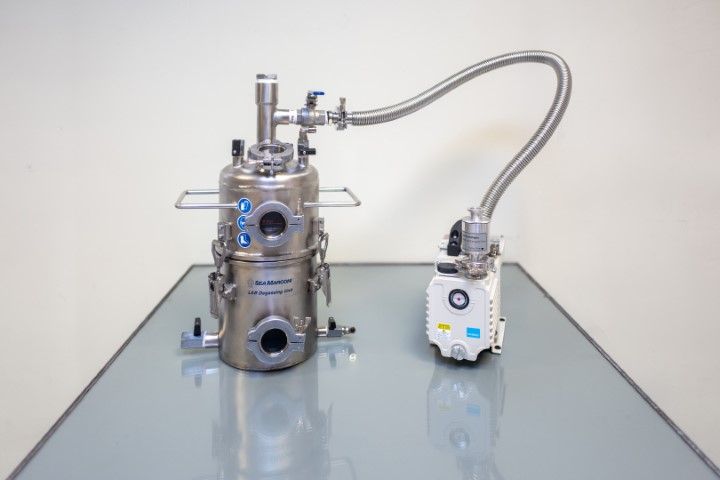
These systems are widely used in sectors such as polymer processing, metallurgy, pharmaceuticals, food production, chemical manufacturing, and water treatment. Each industry may use a slightly different type of degassing technology depending on the physical properties of the material being processed.
Understanding the basics of degassing units helps explain why they are an important part of modern industrial equipment and process engineering.
Importance of Degassing Units in Modern Industry
Degassing units play a significant role in maintaining material quality and process reliability. Removing dissolved gases improves the structural integrity and performance of many materials used in manufacturing.
In metal processing, gases trapped in molten metals can create porosity or small cavities in the finished product. Degassing units reduce this issue by extracting hydrogen and other gases before solidification occurs. This results in stronger, more uniform materials used in construction, transportation equipment, and infrastructure.
In polymer and plastic manufacturing, dissolved gases can cause bubbles or surface defects in finished products. Degassing systems help maintain smooth surfaces and consistent mechanical properties during extrusion or molding operations.
In chemical and pharmaceutical production, gas removal supports stable chemical reactions and improves purity levels in certain formulations.
Common problems addressed by degassing units include:
-
Gas bubble formation in liquids or molten materials
-
Structural defects in metals or polymers
-
Chemical instability in processing systems
-
Reduced product durability or performance
-
Inconsistent manufacturing results
Industries rely on degassing technology to maintain process control, product reliability, and safety standards. Because of this, degassing units have become a standard component in many industrial production environments.
Recent Developments and Industry Trends
Industrial equipment manufacturers and research organizations have continued to improve degassing technologies through automation, monitoring systems, and energy-efficient designs.
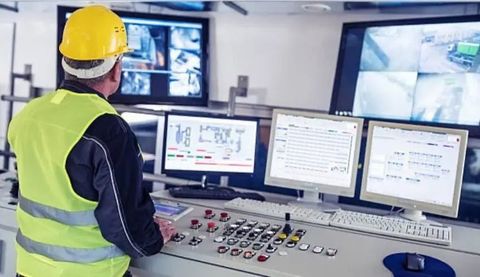
Recent developments have focused on improving vacuum degassing systems and integrating smart monitoring features. These improvements allow operators to track gas levels, pressure conditions, and processing efficiency in real time.
Industry reports published during the past year highlighted several trends in degassing equipment development:
| Trend | Description |
|---|---|
| Automation Integration | Sensors and monitoring software improve control of degassing conditions |
| Energy Efficiency | New designs aim to reduce energy consumption in vacuum pumps |
| Process Monitoring | Real-time data systems help detect gas levels and system performance |
| Material Compatibility | Equipment improvements allow processing of advanced materials |
Another development includes the use of advanced materials for degassing chambers and filtration components. These materials help extend equipment lifespan and improve operational stability.
In research environments, experimental degassing technologies are being studied for applications in high-purity chemical processing and advanced manufacturing methods.
These updates reflect a broader shift toward more intelligent and data-driven industrial systems.
Regulatory and Policy Considerations
Degassing systems are influenced by several types of industrial regulations related to environmental safety, emissions control, and manufacturing quality standards.
In many industrial environments, removing dissolved gases also helps reduce emissions that could be released during production processes. As a result, degassing equipment can support compliance with environmental guidelines that regulate gas release or air quality.
Industrial process regulations often include standards related to:
-
Workplace safety
-
Chemical handling and storage
-
Environmental emissions control
-
Manufacturing quality systems
Many industrial sectors also follow international technical standards related to equipment design, process safety, and material quality. These frameworks help guide how degassing systems are designed, operated, and maintained.
Companies and organizations may implement internal guidelines and monitoring procedures to ensure degassing equipment operates within recommended safety and environmental parameters.
Understanding these regulatory influences helps explain why degassing units are often integrated into broader industrial process management systems.
Tools and Resources for Understanding Degassing Systems
Engineers, students, and industry professionals often rely on various technical tools and knowledge resources to study and evaluate degassing systems.
These resources help explain system design, process efficiency, and operational monitoring.
Common tools and resources include:
-
Vacuum system calculators used to estimate pressure levels and gas removal efficiency
-
Process simulation software that models gas removal behavior in industrial systems
-
Engineering databases containing research papers and equipment design studies
-
Industrial equipment manuals explaining operational principles and maintenance guidance
-
Material science references describing how gases interact with liquids and metals
Many educational platforms and technical organizations also publish learning materials covering vacuum technology, fluid dynamics, and industrial processing methods.
These resources support learning and research related to degassing equipment and process optimization.
Common Types of Degassing Units
Different industries use different degassing technologies depending on the material being processed.
The table below highlights several commonly used degassing unit types.
| Degassing Unit Type | Typical Application | Key Function |
|---|---|---|
| Vacuum Degassing Units | Metal refining and casting | Remove dissolved hydrogen and gases from molten metal |
| Extrusion Degassing Systems | Plastic and polymer processing | Remove air and vapor during extrusion |
| Membrane Degassing Units | Water treatment and chemical processing | Separate dissolved gases using selective membranes |
| Thermal Degassing Systems | Chemical manufacturing | Use temperature changes to release dissolved gases |
| Inert Gas Degassing Systems | Metallurgy and foundries | Inject inert gases to remove unwanted dissolved gases |
Each system operates according to specific engineering principles such as vacuum pressure, gas diffusion, or chemical separation.
Selecting the appropriate type of degassing system depends on the physical characteristics of the material, production scale, and process requirements.
Frequently Asked Questions About Degassing Units
What is the primary purpose of a degassing unit?
A degassing unit removes dissolved gases from liquids or molten materials during industrial processes. This helps improve product quality, stability, and structural integrity.
Which industries commonly use degassing systems?
Degassing units are used in industries such as metallurgy, plastics manufacturing, chemical processing, pharmaceuticals, food production, and water treatment.
How does vacuum degassing work?
Vacuum degassing reduces pressure around a liquid or molten material. Lower pressure allows dissolved gases to escape from the material and be removed from the system.
Why is gas removal important in metal processing?
Dissolved gases in molten metals can cause internal cavities or defects in finished metal products. Degassing helps create stronger and more uniform metal structures.
Are degassing units part of automated manufacturing systems?
Many modern degassing systems are integrated with monitoring sensors and automated controls that track pressure, temperature, and gas concentration levels during processing.
Conclusion
Degassing units are an important component of many industrial manufacturing systems. By removing dissolved gases from liquids or molten materials, these systems help maintain product quality, structural strength, and chemical stability.
Industries such as metallurgy, polymer processing, chemical production, and water treatment rely on degassing technologies to reduce defects, improve processing conditions, and maintain reliable production results.
Advancements in automation, monitoring technology, and energy efficiency continue to improve degassing equipment capabilities. These developments support more precise control of industrial processes and help industries adapt to evolving technical and environmental requirements.