Condenser Microphone: Overview, Basics, Explanation, and Key Facts to Learn
A condenser microphone is a type of audio recording device designed to capture sound with high sensitivity and clarity. It works using a capacitor system that converts sound waves into electrical signals. Because of their precision and wide frequency response, condenser microphones are widely used in recording studios, broadcasting, podcasting, and professional audio environments.
The technology behind condenser microphones has developed over decades within the field of audio engineering. Early microphones relied on simpler mechanisms, but as recording technology improved, engineers sought tools capable of capturing subtle sound details. This demand led to the development of condenser microphones that use an electrically charged diaphragm placed near a metal backplate. When sound waves hit the diaphragm, the distance between the plates changes, producing a measurable electrical signal.
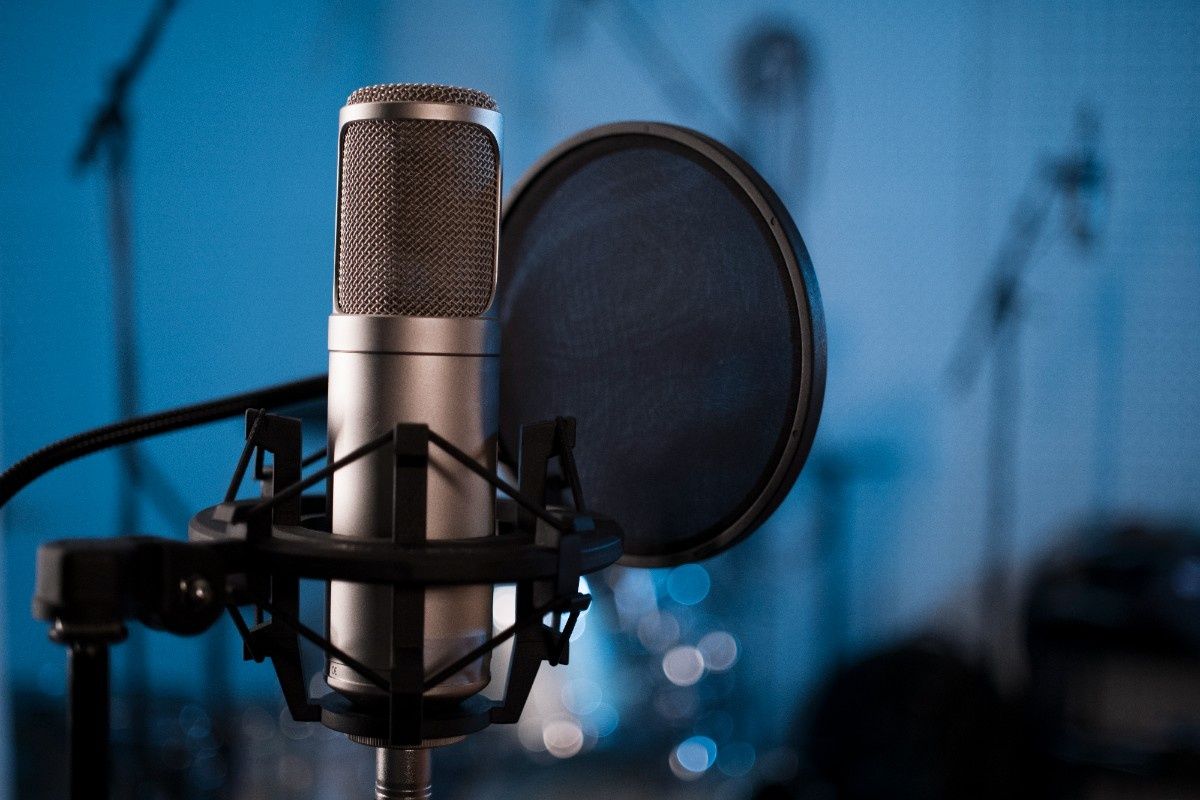
Condenser microphones are known for their ability to record delicate sound variations, making them suitable for vocals, acoustic instruments, voiceovers, and detailed audio production. Unlike dynamic microphones, they typically require external power—often referred to as phantom power—to operate their internal circuitry.
Because of their design, condenser microphones can capture both quiet and complex sound sources. This capability has made them a standard piece of equipment in many areas of media production, including music recording, podcast hosting, online education content, and digital broadcasting platforms.
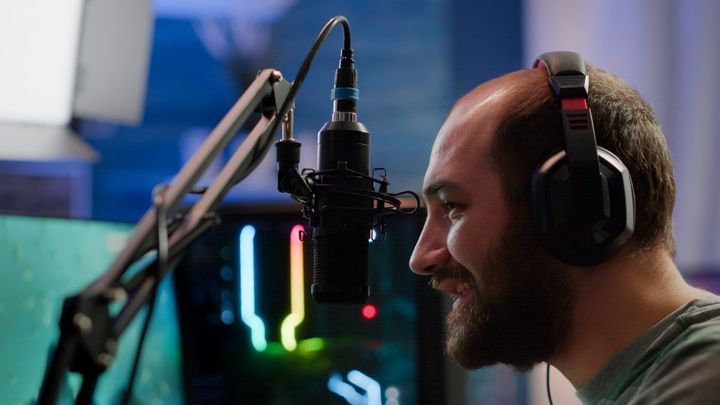
In addition to studio environments, condenser microphones are increasingly used in remote work setups, streaming studios, and content creation spaces. Their sensitivity helps maintain audio clarity even when recording subtle speech or nuanced instrument tones.
Why Condenser Microphones Matter in Modern Audio Technology
Audio quality plays an important role in communication, education, entertainment, and digital media. As video platforms, podcasts, and online learning continue to expand, clear sound recording has become a critical component of content production.
Condenser microphones contribute to high-quality sound capture due to several characteristics:
-
Wide frequency response that records both low and high sound ranges
-
High sensitivity to quiet or detailed sound sources
-
Accurate reproduction of voice and acoustic instruments
-
Consistent performance in controlled recording environments
These qualities make condenser microphones particularly useful in industries such as broadcasting, film production, music recording, and digital media creation.
The growth of podcast platforms and streaming services has increased interest in audio equipment knowledge. Many educators, journalists, and creators rely on condenser microphones to improve sound clarity for audiences. Clear audio helps reduce listener fatigue and ensures information can be easily understood.
Another reason the topic matters today is the rapid expansion of digital communication tools. Video conferences, webinars, and remote learning platforms often require reliable audio technology. Condenser microphones are frequently recommended in technical discussions related to professional recording setups because they can capture detailed voice tones and subtle speech variations.
The role of condenser microphones also extends into research fields such as acoustic measurement and environmental sound monitoring. In such contexts, precise audio capture supports scientific studies involving sound analysis.
Recent Developments and Industry Trends
Audio technology continues to evolve alongside digital media platforms. Over the past year, several trends have influenced how condenser microphones are designed and used.
One notable trend observed throughout 2024 and early 2025 involves the integration of digital connectivity features. Many newer microphone models now include built-in analog-to-digital converters and USB interfaces. This allows users to connect microphones directly to computers without external audio interfaces.
Another trend involves improvements in noise reduction technology. Manufacturers have been developing internal circuitry that minimizes electrical noise and interference. This improvement helps maintain clearer sound signals in home recording environments where background noise may be present.
The rise of podcasting and creator platforms during 2024 also contributed to increased educational resources about audio equipment. Tutorials, online courses, and documentation now focus on helping users understand microphone polar patterns, frequency response, and proper placement techniques.
In addition, advances in AI-assisted audio processing have influenced microphone usage. Modern editing software can analyze recorded sound and automatically adjust levels, remove background noise, or improve voice clarity. While these tools operate after recording, high-quality input from condenser microphones improves the effectiveness of such audio processing technologies.
Another recent development relates to portable recording equipment. Compact condenser microphones designed for travel and mobile recording setups have gained attention among journalists and field researchers. These designs prioritize portability while maintaining audio precision.
The table below summarizes common microphone types and their typical characteristics.
| Microphone Type | Sensitivity | Typical Applications | Power Requirement |
|---|---|---|---|
| Condenser Microphone | High | Studio recording, vocals, podcasting | Phantom power |
| Dynamic Microphone | Moderate | Live performances, stage vocals | Usually none |
| Ribbon Microphone | High but delicate | Vintage studio sound recording | Often requires specialized preamps |
This comparison highlights why condenser microphones remain widely discussed in professional audio contexts.
Regulations and Policies Affecting Audio Equipment
While microphones themselves are not heavily restricted consumer devices, they are still subject to certain regulations and standards in many countries. These rules primarily relate to electronics safety, electromagnetic compatibility, and broadcasting regulations.
In India, electronic audio equipment must follow guidelines established by the Bureau of Indian Standards (BIS). These standards help ensure that electronic devices meet safety and electrical performance requirements before entering the market.
In addition to national standards, many audio products must comply with international electromagnetic compatibility regulations. These rules ensure that devices do not cause harmful interference with other electronic equipment.
Broadcasting organizations may also operate under policies governing audio transmission quality. For example:
-
Public broadcasters often follow technical audio standards for recording equipment
-
Media organizations maintain guidelines for sound clarity in news and documentary production
-
Educational institutions may require specific audio equipment specifications for media labs
Another regulatory aspect involves intellectual property and recording laws. In many jurisdictions, recording conversations or performances may require consent depending on local legal frameworks. While this does not directly regulate microphones themselves, it influences how recording technology is used.
Environmental regulations can also affect electronic devices, including microphones. For example, many manufacturers follow international directives related to hazardous materials in electronic components.
Understanding these policies helps ensure responsible use of recording technology and compliance with applicable electronic standards.
Tools and Resources for Learning About Audio Recording
Many digital tools and educational resources can help individuals understand microphone technology and improve audio recording practices. These resources are commonly used by students, educators, and content creators.
Some useful categories of tools include:
Audio analysis tools
-
Frequency spectrum analyzers
-
Sound level measurement software
-
Acoustic testing utilities
Recording and editing software
-
Digital audio workstation platforms for recording and editing
-
Voice recording applications for interviews and podcasts
-
Multi-track audio editing programs used in media production
Educational resources
-
Online documentation explaining microphone polar patterns
-
Tutorials on acoustic treatment and microphone placement
-
Audio engineering courses offered by universities and learning platforms
Measurement tools
-
Sound pressure level calculators
-
Acoustic environment evaluation tools
-
Signal-to-noise ratio analysis software
The table below shows examples of common audio recording tools and their general purpose.
| Tool Category | Function | Typical Use |
|---|---|---|
| Digital Audio Workstation | Record and edit audio tracks | Music production and podcasts |
| Spectrum Analyzer | Visualize sound frequencies | Acoustic analysis |
| Audio Interface | Convert analog sound to digital signals | Studio recording |
| Sound Meter | Measure sound levels | Environmental audio monitoring |
These resources help users gain a deeper understanding of how microphones interact with sound environments.
Frequently Asked Questions About Condenser Microphones
What makes a condenser microphone different from other microphones?
A condenser microphone uses a capacitor system with a charged diaphragm and backplate to convert sound waves into electrical signals. This design allows it to capture detailed sound with high sensitivity compared to many other microphone types.
Do condenser microphones require power?
Yes. Most condenser microphones require external electrical power known as phantom power. This power source supports the internal electronics that enable the microphone to function properly.
Where are condenser microphones commonly used?
They are frequently used in recording studios, broadcasting environments, podcast production, voiceover recording, and acoustic instrument recording. Their sensitivity makes them suitable for capturing subtle sound details.
Are condenser microphones suitable for loud environments?
They can record loud sounds, but they are generally preferred for controlled environments because they are sensitive to background noise. In live performance settings, other microphone types are sometimes chosen to manage ambient sound more effectively.
How does microphone placement affect audio quality?
Placement plays an important role in recording clarity. Positioning the microphone at an appropriate distance and angle helps reduce unwanted noise while capturing the desired sound source accurately.
Conclusion
Condenser microphones represent an important development in audio recording technology. Their design allows them to capture detailed sound with high sensitivity and accuracy, making them widely used in studios, broadcasting environments, educational media production, and digital communication platforms.
As audio technology continues to evolve, condenser microphones remain central to discussions about recording quality and sound engineering. Advances in digital connectivity, noise reduction, and portable recording systems have expanded their usability across different environments.
Understanding how condenser microphones work, the contexts in which they are used, and the regulatory frameworks surrounding electronic audio devices helps build a clearer picture of modern sound recording technology.