Brick Making Machine Explained: Essential Facts, Knowledge & Helpful Details
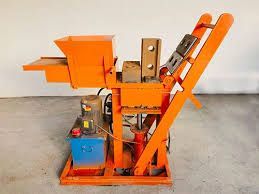
Understanding Brick Making Machines A brick making machine is a type of industrial equipment used to produce uniform bricks from raw materials such as clay, cement, sand, or fly ash. These machines are designed to reduce manual labor and increase production efficiency, making them a key element in modern construction and infrastructure development.
Brick manufacturing has existed for centuries, but automation has transformed how bricks are made. Instead of hand-molding and kiln-firing, modern machines now press and cure bricks using advanced hydraulic and vibration systems. The result is consistent quality, faster output, and reduced material wastage.

Brick making machines are available in various models, including manual, semi-automatic, and fully automatic systems. Each caters to different production scales—from small workshops to large industrial plants. These machines play an essential role in housing, road construction, and commercial building projects worldwide.
Importance of Brick Making Machines Today
The demand for eco-friendly and durable building materials has made brick making machines more important than ever. With rapid urbanization, especially in developing countries, the construction sector needs efficient production systems that can meet high demand while maintaining sustainability.
Brick making machines help in:
-
Enhancing Productivity: They can produce thousands of bricks per day with minimal human effort.
-
Ensuring Uniform Quality: Machine-produced bricks have consistent shape, strength, and density.
-
Reducing Waste: Automated systems use precise quantities of raw materials, minimizing waste.
-
Supporting Green Construction: Many modern machines use fly ash and recycled materials, helping reduce carbon emissions.
Industries affected by these machines include construction, civil engineering, real estate, and manufacturing. They also contribute to rural development, as small-scale entrepreneurs can establish local brick units that supply materials for regional infrastructure projects.
Furthermore, with the rising trend toward smart construction and sustainable housing, these machines help meet environmental standards and reduce reliance on traditional clay burning, which causes deforestation and air pollution.
Recent Updates and Technological Trends
In 2025, the brick-making industry is witnessing rapid modernization, with new technologies focusing on automation, sustainability, and energy efficiency.
Key Updates and Trends:
| Year | Trend | Description |
|---|---|---|
| 2024 | AI and IoT Integration | Smart machines can monitor production efficiency and detect faults in real-time using IoT sensors. |
| 2024 | Eco-Bricks Development | Machines now support alternative materials like fly ash, slag, and plastic waste for sustainable production. |
| 2025 | 3D Printing Influence | Some advanced models are experimenting with 3D printing technology for customized shapes and faster manufacturing. |
| 2025 | Solar-Powered Machines | Manufacturers are adopting solar-powered hydraulic systems to reduce energy consumption in remote areas. |
In addition, government and private sectors are collaborating to promote “Green Construction Materials”, encouraging factories to shift toward non-fired or compressed earth brick technologies.
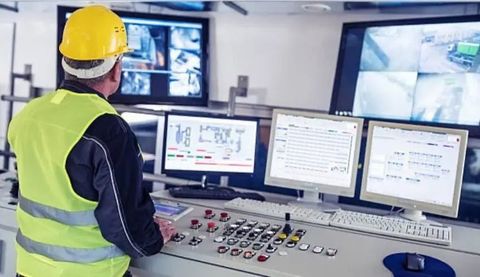
Smart control panels, remote monitoring systems, and digital dashboards are now common, enabling operators to track temperature, pressure, and production data for better decision-making.
Laws, Policies, and Government Regulations
Government regulations have a significant influence on the brick manufacturing sector, especially concerning environmental protection, energy efficiency, and industrial safety.
In India and other developing countries, several policies encourage modernization of brick kilns and promote eco-friendly technologies.
Important Policies and Programs:
-
Fly Ash Utilization Policy: The Ministry of Environment mandates the use of fly ash in brick manufacturing within a specific radius of thermal power plants. This policy supports waste recycling and reduces pollution.
-
Energy Conservation Building Code (ECBC): Encourages the use of energy-efficient materials, including fly ash bricks, in construction.
-
Subsidies for Non-Fired Brick Units: Governments in various states provide financial assistance for setting up compressed or non-fired brick plants.
-
Pollution Control Regulations: The Central Pollution Control Board (CPCB) and State Boards require emission controls for brick kilns, promoting cleaner production systems.
-
Sustainable Development Goals (SDG) Alignment: Brick-making modernization supports global climate targets by reducing carbon emissions and supporting affordable housing initiatives.
These laws and initiatives are reshaping how businesses manufacture bricks, making automation not just an option but a necessity for compliance and long-term sustainability.
Tools, Resources, and Educational Platforms
For individuals and organizations interested in learning more or improving their production processes, several tools and resources are available online.
Useful Tools and Websites:
| Resource Type | Example | Description |
|---|---|---|
| Raw Material Calculator | Cement Mix Ratio Calculator | Helps estimate required quantities of cement, sand, and fly ash. |
| Online Courses | Coursera, NPTEL, Udemy | Offer training on automation, manufacturing processes, and industrial machinery. |
| Government Portals | MSME Portal, India.gov.in | Provide schemes and registration information for small-scale brick units. |
| Industry Reports | Statista, ResearchGate | Include market insights, demand trends, and production data. |
| Sustainability Tools | Carbon Footprint Calculator | Allows companies to measure and reduce environmental impact. |
These resources help engineers, entrepreneurs, and policymakers make informed decisions about technology adoption and process optimization.
Frequently Asked Questions
1. What is the main function of a brick making machine?
A brick making machine automates the process of molding and compacting raw materials like clay, cement, and fly ash into uniform bricks used for construction.
2. What are the different types of brick making machines?
The main types include manual, semi-automatic, and fully automatic machines. Some advanced models also use hydraulic pressure or vibration compaction for improved quality.
3. Are modern brick making machines environmentally friendly?
Yes. Many modern machines use fly ash and other waste materials, reducing dependence on traditional clay and minimizing air pollution.
4. What materials can be used in brick making machines?
Common materials include clay, cement, lime, sand, fly ash, and even recycled waste such as slag or plastic, depending on the machine type.
5. How do government policies support eco-friendly brick making?
Governments promote cleaner technologies by offering incentives for non-fired or fly ash brick units and enforcing emission standards for traditional kilns.
Conclusion
Brick making machines are a cornerstone of modern construction technology, blending efficiency, sustainability, and innovation. They simplify production, improve material quality, and support environmental goals.
As global infrastructure expands, the focus is shifting toward energy-efficient and eco-friendly building materials. Through advanced automation, smart monitoring, and sustainable practices, brick making machines are shaping the future of construction.
For anyone involved in manufacturing, engineering, or urban development, understanding these machines is essential for aligning with industry standards, regulatory requirements, and environmental objectives.
In the coming years, continued technological progress and supportive government initiatives will further transform how bricks are made — making the process smarter, cleaner, and more sustainable than ever before.