Battery Manufacturing Systems: An Overview, Guide and Key Insights
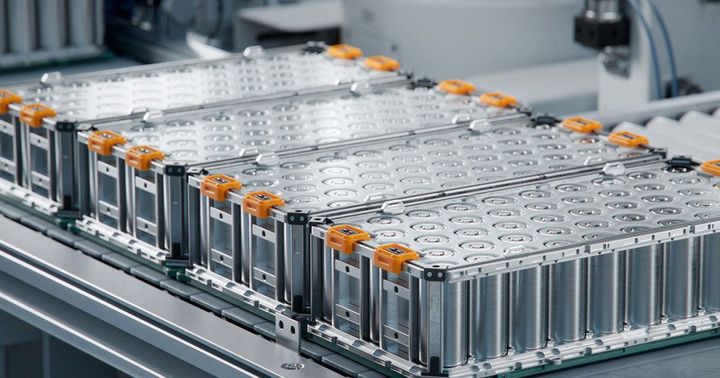
Battery manufacturing systems refer to the integrated equipment, processes, and technologies used to produce batteries for energy storage and electronic devices. These systems combine chemical processing, precision engineering, automation, and quality monitoring to transform raw materials into functional battery cells and packs.
Batteries play a central role in modern technology. They power smartphones, laptops, renewable energy storage systems, and electric mobility platforms. Because of this wide range of applications, manufacturing systems have evolved to support large-scale production while maintaining consistent performance and safety standards.
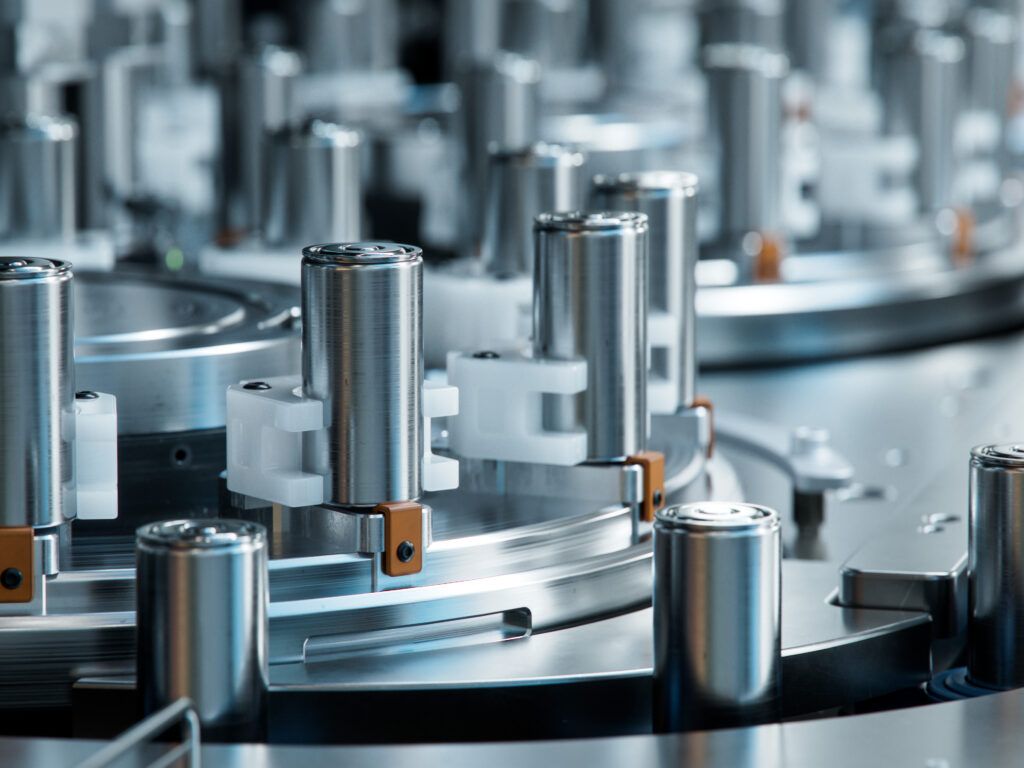
A battery manufacturing system usually includes multiple stages such as material preparation, electrode fabrication, cell assembly, electrolyte filling, formation cycling, and final testing. Each stage uses specialized machinery and monitoring tools to ensure the battery operates efficiently and safely.
Below is a simplified representation of common stages involved in battery production.
| Production Stage | Key Activities | Typical Equipment |
|---|---|---|
| Material Preparation | Mixing active materials and binders | Industrial mixers, slurry tanks |
| Electrode Production | Coating and drying electrode materials | Coating machines, drying ovens |
| Cell Assembly | Layer stacking or winding components | Stacking machines, winding machines |
| Electrolyte Filling | Adding electrolyte solution | Vacuum filling systems |
| Formation & Testing | Charging cycles and safety checks | Battery testers, formation systems |
These systems are designed to operate with high precision because small variations in materials or assembly can significantly influence battery lifespan and energy capacity.
Why Battery Manufacturing Systems Matter
The importance of battery manufacturing systems has increased as energy storage becomes essential for digital infrastructure and electrified transportation. Efficient manufacturing helps ensure batteries meet reliability, safety, and performance expectations.
One major reason this topic matters today is the global transition toward cleaner energy technologies. Renewable energy sources such as solar and wind require reliable storage systems to balance energy supply and demand. Batteries provide that storage capability, making their production infrastructure critically important.
Battery manufacturing systems also influence several industries simultaneously, including:
-
Consumer electronics
-
Renewable energy storage
-
Electric mobility platforms
-
Industrial backup power systems
-
Grid stabilization technologies
Another important factor is quality control. Modern batteries must meet strict safety requirements to prevent overheating, leakage, or degradation. Manufacturing systems incorporate monitoring technologies such as automated inspection, chemical analysis, and performance testing to detect issues early.
The complexity of battery chemistry also creates technical challenges. Different battery types—including lithium-ion, solid-state, and sodium-based designs—require different manufacturing processes and equipment configurations.
A simplified chart below shows how battery manufacturing systems contribute to different sectors.
| Sector | Battery Application | Manufacturing Focus |
|---|---|---|
| Consumer Electronics | Phones, laptops, tablets | Compact cell design |
| Electric Mobility | Vehicle power systems | High energy density |
| Renewable Energy | Solar and wind storage | Long cycle life |
| Industrial Systems | Backup power infrastructure | Reliability and durability |
These requirements shape the design of modern battery production lines and drive innovation in automation, robotics, and digital monitoring.
Recent Developments and Industry Trends
Battery manufacturing technology continues to evolve rapidly due to increased demand for energy storage solutions and improvements in material science.
Over the past year, several notable trends have influenced the design of manufacturing systems.
One development is the growing interest in advanced battery chemistries such as solid-state batteries. Research institutions and technology companies have reported progress in developing solid electrolytes that could improve energy density and safety compared to traditional liquid electrolytes.
Another trend is the expansion of automated production facilities. Automation technologies—including machine vision systems, robotics, and digital quality monitoring—are increasingly used to improve precision and reduce manufacturing variation.
Industry reports published in the past year have also highlighted improvements in battery recycling integration. Manufacturing facilities are beginning to incorporate recycling systems that recover materials such as lithium, nickel, and cobalt from used batteries.
Several developments reported during the past year include:
-
Increased investment in large-scale battery production facilities
-
Advancements in solid-state battery research
-
Expanded use of AI-based quality inspection systems
-
Integration of recycling technologies into production chains
Manufacturers are also focusing on improving manufacturing efficiency through digital monitoring platforms that track equipment performance, energy use, and material flow across the production line.
A simple trend overview is shown below.
| Emerging Trend | Description | Impact |
|---|---|---|
| Solid-State Batteries | Development of solid electrolytes | Potential safety improvements |
| AI-Driven Inspection | Automated quality monitoring | Higher manufacturing accuracy |
| Recycling Integration | Recovery of battery materials | Resource sustainability |
| Smart Factories | Data-driven manufacturing systems | Improved operational efficiency |
These developments reflect the growing importance of battery manufacturing as energy storage technologies continue to expand across multiple industries.
Regulatory Framework and Policy Influence
Battery manufacturing systems are influenced by regulatory standards designed to ensure safety, environmental responsibility, and product performance. These regulations typically apply to the handling of chemical materials, manufacturing processes, transportation, and recycling.
Environmental policies often require manufacturers to manage waste materials responsibly and minimize emissions associated with production activities. Regulations related to hazardous materials handling are also important because battery production involves chemicals that must be processed and stored carefully.
Another important area involves safety certification. Battery products typically undergo testing to confirm they meet safety standards related to thermal stability, electrical performance, and mechanical durability.
Policy frameworks also influence how batteries are transported and recycled. Regulations often require manufacturers to label batteries clearly and provide guidance on safe disposal or recycling procedures.
Common regulatory considerations in battery manufacturing systems include:
-
Chemical safety handling guidelines
-
Environmental compliance standards
-
Transportation regulations for battery products
-
Recycling and material recovery requirements
-
Product testing and certification procedures
These policies aim to ensure that battery manufacturing remains safe for workers, consumers, and the environment while supporting the continued growth of energy storage technologies.
Helpful Tools and Resources for Battery Manufacturing
A variety of digital tools and industrial resources support battery manufacturing systems. These tools assist with design, simulation, monitoring, and quality control.
Simulation software is widely used during the early stages of battery development. Engineers use modeling tools to analyze battery performance, optimize electrode materials, and predict lifecycle characteristics.
Manufacturing monitoring platforms also play an important role. These systems collect real-time data from sensors and production equipment to detect performance changes and maintain consistent product quality.
Some widely used categories of tools include:
-
Battery simulation software for analyzing cell design
-
Manufacturing execution systems (MES) for production monitoring
-
Data analytics platforms for equipment performance insights
-
Battery testing instruments for electrical and safety analysis
-
Lifecycle assessment tools for environmental evaluation
The following table summarizes common tool categories.
| Tool Category | Purpose | Example Use |
|---|---|---|
| Simulation Software | Model battery performance | Design optimization |
| Manufacturing Monitoring Systems | Track production activity | Process efficiency |
| Quality Testing Equipment | Evaluate electrical properties | Safety validation |
| Data Analytics Platforms | Analyze production data | Predict maintenance |
| Lifecycle Assessment Tools | Evaluate environmental impact | Sustainability planning |
Educational resources and technical publications also help engineers and researchers stay informed about developments in battery chemistry and production technologies.
Frequently Asked Questions About Battery Manufacturing Systems
What is a battery manufacturing system?
A battery manufacturing system is a collection of equipment, processes, and monitoring technologies used to produce batteries. It includes stages such as electrode fabrication, cell assembly, electrolyte filling, formation cycling, and quality testing.
What materials are commonly used in battery production?
Many batteries use materials such as lithium compounds, graphite, nickel, cobalt, manganese, and specialized electrolytes. The exact materials depend on the battery chemistry being produced.
How do manufacturers ensure battery safety?
Manufacturers use quality inspection systems, performance testing equipment, and controlled manufacturing environments. Batteries typically undergo charging cycles and safety evaluations to verify stability before distribution.
What role does automation play in battery manufacturing?
Automation helps maintain precision and consistency across production lines. Robotics, machine vision systems, and digital monitoring platforms are commonly used to improve efficiency and reduce manufacturing errors.
Why is recycling important for battery production?
Battery recycling helps recover valuable materials such as lithium, nickel, and cobalt. Recycling reduces resource demand and supports sustainable production practices in the energy storage industry.
Conclusion
Battery manufacturing systems form the technological foundation behind modern energy storage solutions. By combining advanced chemical processing, precision engineering, and digital monitoring technologies, these systems enable the large-scale production of batteries used in electronics, transportation, and renewable energy infrastructure.
The increasing demand for reliable energy storage has accelerated innovation in battery manufacturing technologies. Automation, improved materials, and digital manufacturing platforms continue to reshape production processes while supporting higher efficiency and safety standards.
Regulatory frameworks and sustainability considerations also play a critical role in guiding how battery manufacturing systems evolve. Policies addressing environmental responsibility, chemical handling, and recycling influence how manufacturers design and operate production facilities.