Wave Energy Converters: A Complete Guide to Basics, Insights, and Practical Knowledge
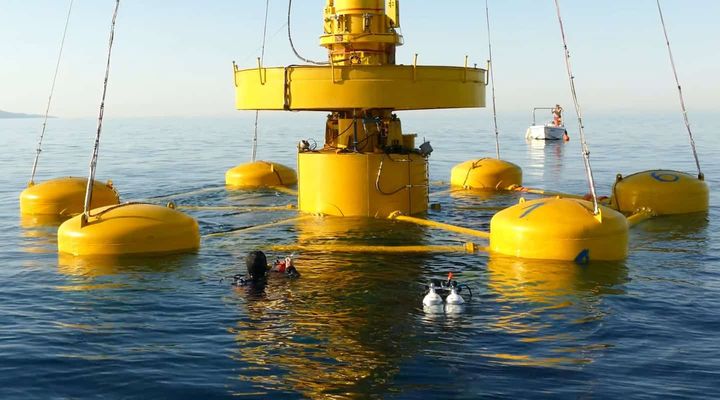
Wave Energy Converters (WECs) are devices designed to capture the energy generated by ocean waves and transform it into usable electricity. As waves move across the ocean surface, they carry kinetic and potential energy created mainly by wind interacting with water. WEC technology exists to harness that natural motion and convert it into electrical power through mechanical and hydraulic systems.
Ocean wave energy technology has been studied for decades because oceans cover most of the Earth’s surface and contain a significant amount of renewable energy potential. Unlike fossil fuels, waves are continuously replenished by natural wind patterns, making them part of broader renewable energy systems and sustainable power solutions.
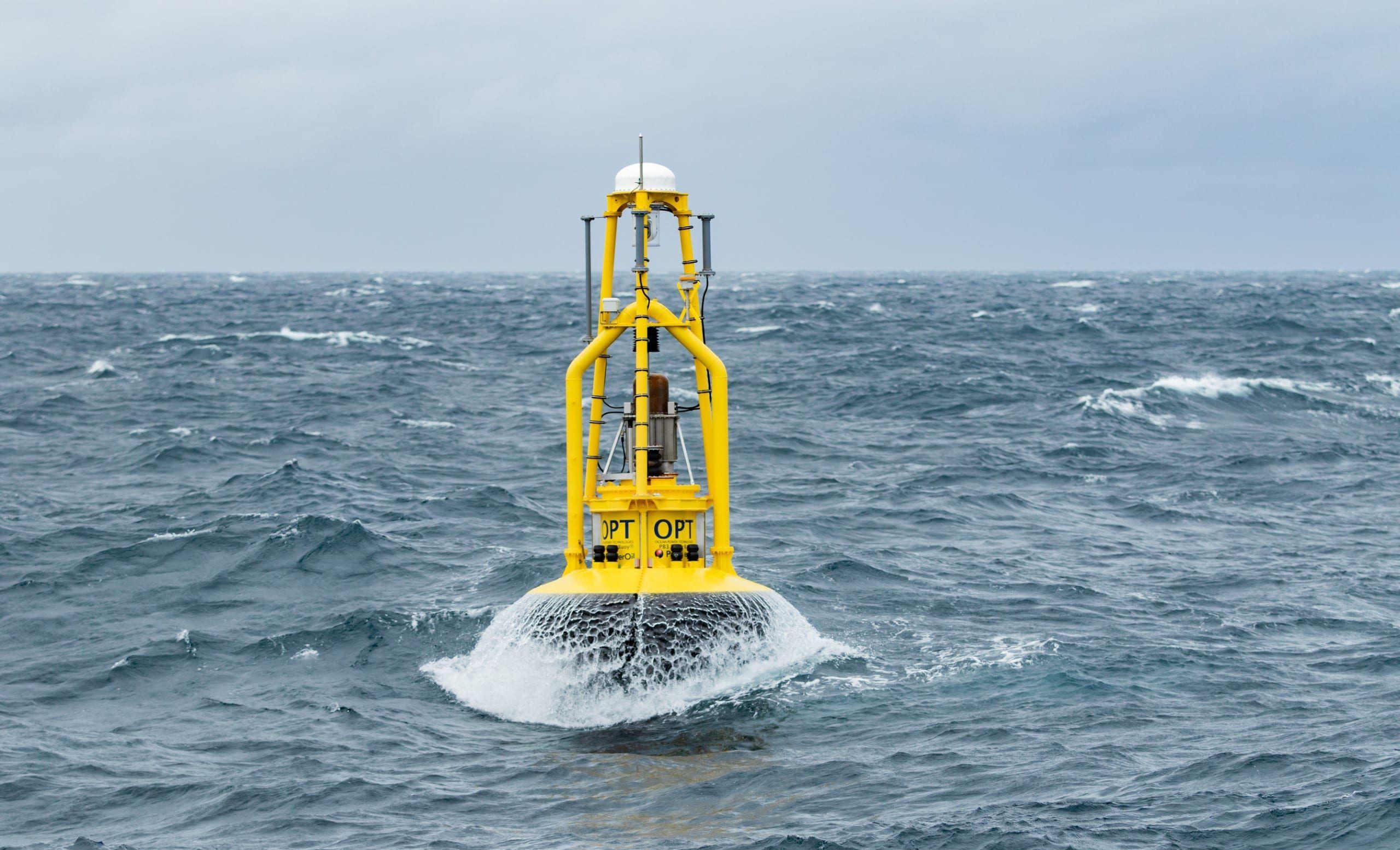
Wave energy converters typically operate offshore or near the coastline. They may float on the surface, be partially submerged, or be fixed to the seabed. Each design focuses on capturing wave motion in different ways and converting it into electricity that can be transmitted to the grid.
Below is a simplified overview of how wave energy conversion works.
| Stage | Process Description |
|---|---|
| Wave Motion | Ocean waves move up and down due to wind energy |
| Mechanical Capture | Device components move with wave motion |
| Energy Conversion | Mechanical motion drives a generator |
| Electricity Output | Generated electricity is transmitted to shore |
Main Types of Wave Energy Converters
Point Absorbers
Point absorbers are compact floating devices that move vertically with waves. Their internal mechanisms convert the up-and-down motion into electricity. These devices are often deployed in arrays to increase overall power output.
Oscillating Water Columns
Oscillating water columns use a partially submerged chamber. When waves enter, the water level rises and compresses air inside the chamber. The moving air drives a turbine connected to a generator.
Attenuators
Attenuators are long, segmented floating structures positioned parallel to wave direction. As waves pass, the segments bend at their joints. Hydraulic systems within the joints convert that motion into electrical energy.
Each design reflects different engineering strategies for offshore power generation and marine energy efficiency.
Why Wave Energy Converters Matter Today
The global shift toward clean energy infrastructure has increased attention on ocean-based renewable energy systems. While solar and wind power are widely deployed, wave energy offers additional advantages.
First, wave patterns are often more predictable than wind or solar radiation. This predictability can support grid integration technology by improving energy forecasting models.
Second, coastal regions face growing electricity demand. Offshore power generation allows energy production closer to densely populated coastal cities, potentially reducing transmission distances.
Third, wave energy contributes to energy diversification. A diversified renewable portfolio helps stabilize electricity supply and reduces dependence on fossil fuel-based power generation.
Communities that benefit most from wave energy research include:
-
Coastal populations
-
Island regions with limited land space
-
Research institutions studying marine energy policy
-
Governments investing in climate mitigation strategies
Wave energy also supports long-term sustainability goals by reducing greenhouse gas emissions and encouraging innovation in marine engineering.
Recent Developments and Trends
Over the past year, several developments have shaped the future of ocean wave energy technology.
Multiple pilot projects have reported improved durability of offshore devices. Engineers have focused on corrosion-resistant materials and modular components to withstand harsh marine environments.
Research institutions have published updated performance assessments showing improved energy capture efficiency in second-generation prototypes. Some demonstration arrays have been connected to local grids for extended testing periods.
Digital monitoring systems have also advanced. Real-time ocean data analytics now allow operators to optimize device positioning and performance using predictive modeling. These improvements enhance reliability and inform grid integration strategies.
In addition, collaborative research partnerships between universities and energy agencies have expanded. These partnerships aim to standardize testing protocols and develop environmental impact assessments for marine ecosystems.
Overall, recent updates indicate gradual technical progress rather than rapid commercialization. Wave energy remains in the demonstration and early deployment phase but continues to attract research funding and policy attention.
Laws, Regulations, and Government Frameworks
Wave energy projects operate under maritime, environmental, and energy regulations. These frameworks are typically shaped by:
-
Marine spatial planning policies
-
Environmental impact assessment requirements
-
Offshore construction permits
-
Grid connection standards
Governments often require developers to conduct ecological studies to evaluate potential impacts on marine life, fisheries, and coastal ecosystems. These assessments ensure that wave energy installations align with environmental protection standards.
Renewable energy legislation in many regions includes marine energy under broader clean energy targets. Some countries integrate wave energy within offshore renewable energy roadmaps alongside wind and tidal technologies.
International maritime law also influences deployment, especially in shared waters or exclusive economic zones. Regulatory clarity plays a critical role in determining how quickly projects move from research to demonstration stages.
Public funding programs and innovation grants are commonly structured to support early-stage research, prototype testing, and environmental monitoring initiatives.
Tools and Resources for Understanding Wave Energy
Several tools and platforms help researchers, policymakers, and students better understand wave energy systems.
Useful digital resources include:
-
Ocean wave forecasting models that estimate wave height and frequency
-
Marine energy simulation software for testing device performance
-
Renewable energy data dashboards that track global capacity
-
Academic research databases focused on marine engineering
Below is a simplified comparison of wave energy analysis tools.
| Tool Type | Purpose |
|---|---|
| Wave Forecast Models | Predict wave patterns and intensity |
| Simulation Software | Test device mechanics and efficiency |
| Grid Modeling Tools | Evaluate energy integration potential |
| Environmental Monitoring Systems | Assess marine ecosystem impact |
Educational institutions often provide open-access technical papers and marine energy reports. These materials support evidence-based understanding of offshore renewable infrastructure.
Mapping platforms also allow users to analyze coastal suitability for wave energy deployment by examining wave climate data, seabed conditions, and transmission access.
Frequently Asked Questions
What is a wave energy converter?
A wave energy converter is a device that captures the motion of ocean waves and converts it into electricity using mechanical and electrical systems.
How is wave energy different from tidal energy?
Wave energy is generated by surface waves caused primarily by wind. Tidal energy comes from predictable ocean tides influenced by gravitational forces of the moon and sun.
Is wave energy reliable?
Wave energy is considered relatively predictable compared to wind energy. However, its reliability depends on local wave patterns and device durability.
Does wave energy affect marine life?
Environmental impact studies are typically required before deployment. While research continues, careful design and monitoring aim to minimize ecological disruption.
Can wave energy connect to the existing power grid?
Yes, electricity generated offshore can be transmitted through subsea cables to coastal substations and integrated into existing grid systems using standard grid integration technology.
Conclusion
Wave energy converters represent an evolving segment of renewable energy systems focused on harnessing the motion of ocean waves for electricity generation. Although still in developmental stages compared to wind and solar technologies, ocean wave energy technology continues to progress through engineering innovation, digital monitoring advancements, and supportive marine energy policy frameworks.
As global clean energy infrastructure expands, wave energy may contribute to diversified sustainable power solutions, particularly for coastal and island regions. Ongoing research, regulatory oversight, and environmental assessments will shape its long-term role within offshore power generation.