Understanding Pipe Corrosion: Explanation, Facts, Knowledge & Helpful Resources
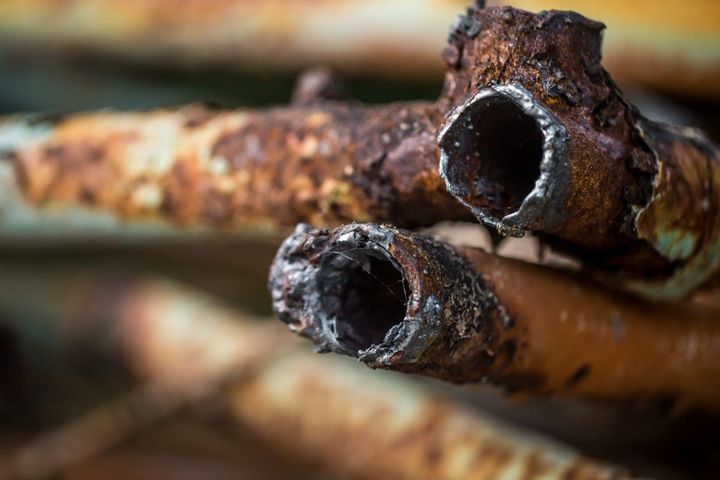
Pipe corrosion is the gradual deterioration of metal pipes caused by chemical, electrochemical, or environmental reactions. It commonly affects materials such as steel, iron, copper, and aluminum. Over time, corrosion weakens pipe walls, reduces flow efficiency, and may lead to leaks or structural failure.
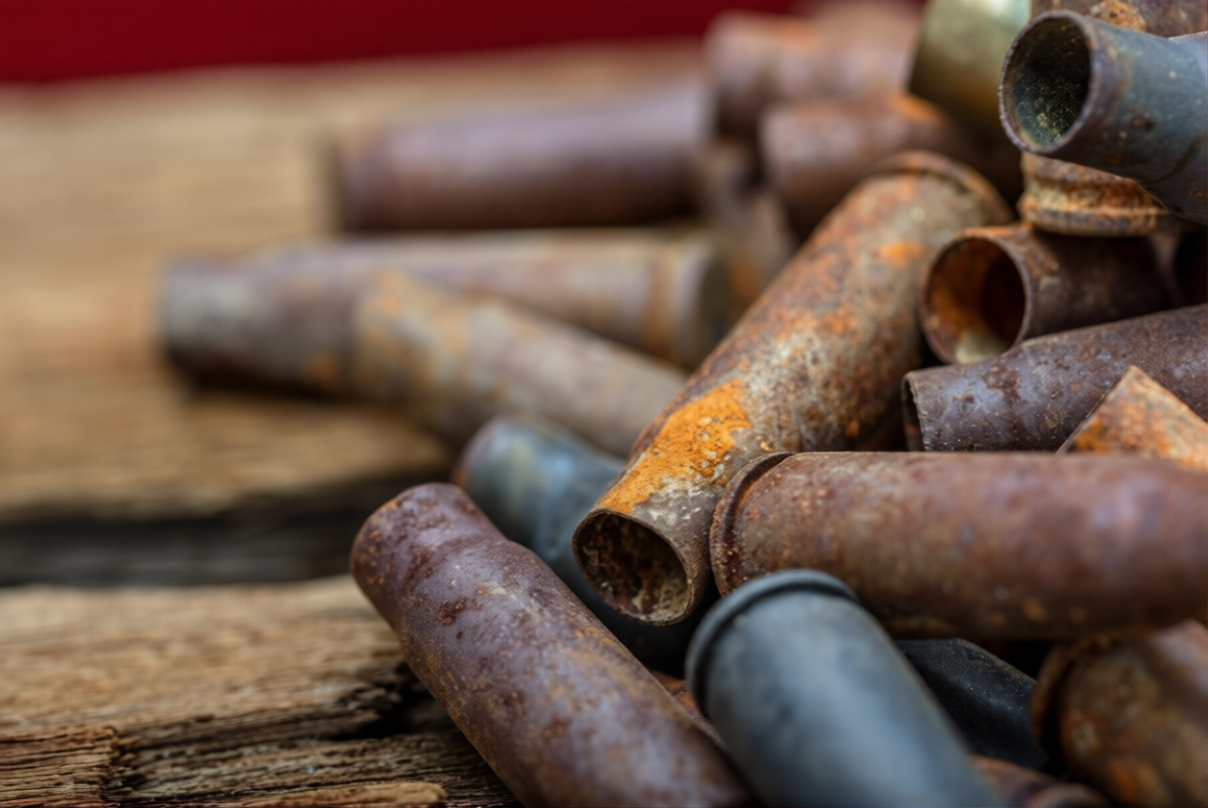
Corrosion occurs when metals react with oxygen, water, soil chemicals, or other environmental elements. For example, when iron reacts with oxygen and moisture, it forms iron oxide, commonly known as rust. In underground pipelines, soil composition, moisture levels, and stray electrical currents can accelerate corrosion processes.
There are several common types of pipe corrosion:
-
Uniform corrosion: Even surface wear across the pipe.
-
Pitting corrosion: Small but deep localized holes.
-
Galvanic corrosion: Occurs when two dissimilar metals are in contact.
-
Microbiologically influenced corrosion (MIC): Caused by bacteria interacting with metal surfaces.
-
Erosion corrosion: Due to high-velocity fluid flow.
Corrosion is a natural chemical process. However, in water distribution systems, oil and gas pipelines, and industrial infrastructure, it presents serious engineering and environmental challenges.
Why Pipe Corrosion Matters Today
Pipe corrosion affects public health, environmental safety, and infrastructure reliability. Aging pipelines in urban areas often require constant monitoring due to increased corrosion risks.
Key reasons this topic is important include:
-
Public water safety: Corroded water pipes can release metals into drinking water.
-
Infrastructure maintenance: Municipal water systems rely on corrosion control programs to extend pipeline lifespan.
-
Energy sector reliability: Oil and gas pipelines depend on corrosion monitoring technology to prevent leaks.
-
Environmental protection: Pipeline failures can lead to soil or groundwater contamination.
-
Industrial compliance: Many facilities must meet environmental compliance standards and perform regular industrial pipeline inspection.
In water systems, corrosion can change water quality by increasing metal concentration and altering taste or color. In energy infrastructure, corrosion-related incidents may disrupt supply chains and require costly repairs.
The following simplified table explains how corrosion impacts different sectors:
| Sector | Main Risk | Preventive Focus |
|---|---|---|
| Municipal Water | Metal leaching | Water treatment systems |
| Oil & Gas | Leakage | Cathodic protection |
| Manufacturing | Equipment failure | Coatings & monitoring |
| Construction | Structural weakening | Material selection |
The growing global focus on sustainable infrastructure has increased attention on corrosion prevention strategies and asset integrity management.
Recent Developments and Trends
Recent updates in corrosion science and infrastructure management have focused on technology-driven solutions.
-
Smart corrosion monitoring systems: Sensors now detect early-stage corrosion using real-time data analytics.
-
Pipeline inspection robots: Advanced robotic devices inspect internal pipe surfaces without excavation.
-
Improved coating materials: New epoxy and polymer coatings increase resistance to chemical reactions.
-
Cathodic protection enhancements: Modern systems use automated voltage control to reduce metal deterioration.
-
Digital asset management platforms: These platforms integrate corrosion data into infrastructure management systems.
Environmental monitoring programs have also increased oversight of water quality standards and pipeline safety compliance. Infrastructure modernization initiatives continue to prioritize pipeline integrity as part of broader public works upgrades.
Laws, Regulations, and Compliance Standards
Pipe corrosion management is shaped by environmental regulations, public health standards, and industrial safety guidelines.
Water distribution systems are regulated under public health frameworks that require regular monitoring of water chemistry. Authorities typically mandate corrosion control treatment to prevent metal contamination.
In industrial and energy sectors, pipeline operators must comply with safety codes that require:
-
Routine integrity assessments
-
Corrosion risk analysis
-
Pressure testing and inspection documentation
-
Environmental reporting
Environmental compliance standards also require operators to maintain protective coatings, monitor cathodic protection systems, and document corrosion mitigation measures.
Government infrastructure programs often allocate funding toward upgrading aging pipelines and implementing corrosion control methods. Regulatory agencies may impose penalties for failing to meet pipeline integrity standards, emphasizing preventive maintenance rather than reactive repair.
Tools and Helpful Resources
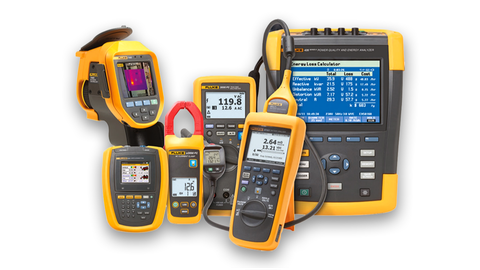
A variety of digital tools and professional resources support corrosion prevention and monitoring.
Corrosion Monitoring Tools
-
Inline inspection devices
-
Ultrasonic thickness gauges
-
Corrosion rate calculators
-
Soil resistivity testing equipment
Digital Platforms
-
Asset management software
-
Infrastructure monitoring dashboards
-
Risk assessment modeling tools
Technical Standards and Guidelines
-
Engineering corrosion handbooks
-
Water quality testing protocols
-
Pipeline integrity management frameworks
Educational Resources
-
University materials science departments
-
Engineering research publications
-
Environmental protection agency guidance portals
Below is a simplified example of corrosion monitoring metrics:
| Metric | Purpose |
|---|---|
| pH Level | Measures water acidity |
| Corrosion Rate (mm/year) | Predicts metal loss |
| Electrical Potential | Assesses cathodic protection |
| Metal Concentration | Monitors water contamination |
These tools help engineers and infrastructure managers apply corrosion control methods systematically and improve long-term pipeline integrity.
Frequently Asked Questions
What causes pipe corrosion?
Pipe corrosion is mainly caused by chemical reactions between metal and environmental elements such as oxygen, moisture, soil chemicals, or dissolved minerals in water.
Can corrosion affect drinking water quality?
Yes. Corroded pipes may release metals into water systems, which can affect taste, color, and safety if not properly managed through water treatment systems.
How is corrosion detected in underground pipelines?
Detection methods include ultrasonic testing, smart sensors, inline inspection tools, and corrosion monitoring technology that measures metal thickness and electrical potential.
What is cathodic protection?
Cathodic protection is a corrosion control method that applies a small electrical current to counteract the natural electrochemical reaction causing metal deterioration.
Is corrosion preventable?
While corrosion cannot be completely eliminated, it can be significantly reduced through protective coatings, material selection, water chemistry control, and regular industrial pipeline inspection.
Conclusion
Pipe corrosion is a natural but manageable process that affects water systems, industrial facilities, and energy infrastructure. As pipelines age and environmental conditions evolve, corrosion prevention becomes increasingly important for public safety and environmental protection.
Advancements in corrosion monitoring technology, improved protective coatings, and stronger regulatory frameworks have enhanced pipeline integrity management. By combining engineering practices, digital monitoring tools, and environmental compliance standards, organizations can reduce risks and maintain reliable infrastructure systems.