Studio Apartment Rental Basics: Discover Useful Knowledge, Processes, and Practical Suggestions
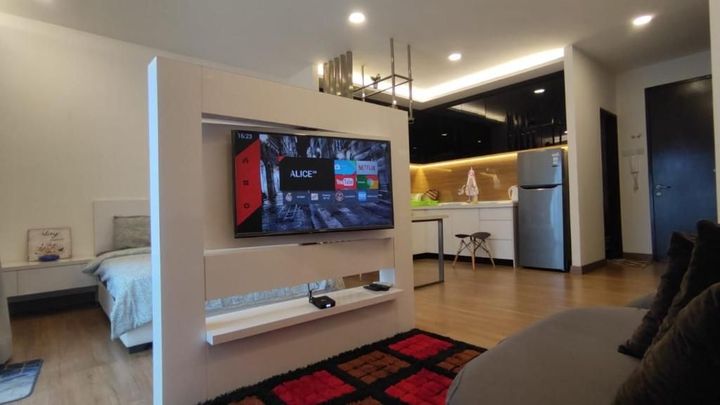
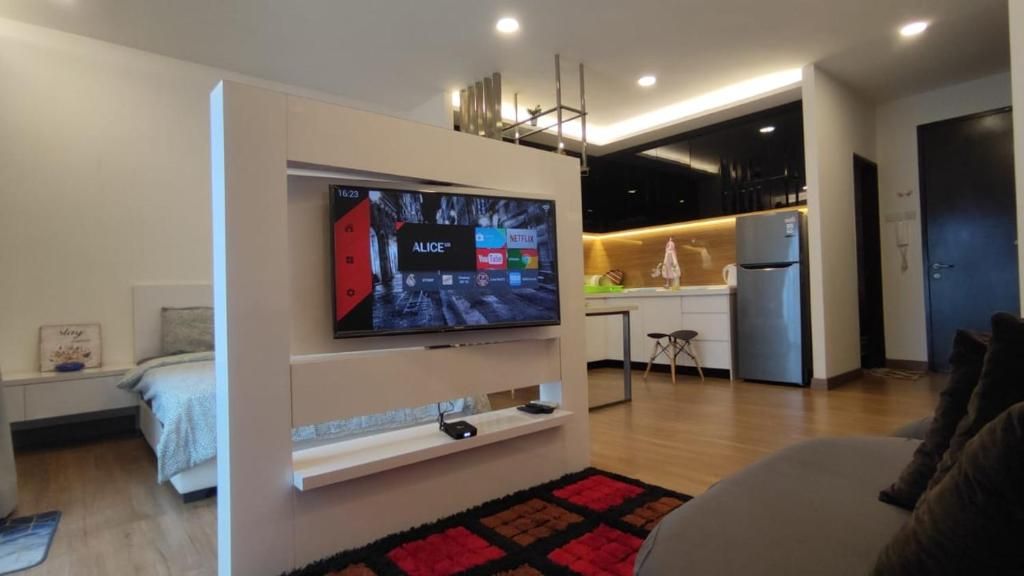
A studio apartment is a compact, self-contained living space where the sleeping area, living area, and kitchenette are combined into a single room, with a separate bathroom. Studios exist because many individuals — such as young professionals, students, migrants, or people living alone — prefer or require smaller housing units: they are easier to maintain and more practical.
In urban settings, especially where space is limited, studio apartments provide an efficient alternative to larger flats. They reflect evolving lifestyles that favor independence, mobility, and simplicity.
When someone rents a studio apartment, the process involves finding the unit, assessing suitability, entering into a rental agreement with a landlord, paying a security deposit and rent, and following the agreed-upon lease conditions.
Importance
Understanding studio apartment rental basics is essential today because:
-
Changing urban demographics. Cities are witnessing an increase in single-person households, working professionals, and smaller families. Many young adults prefer flexible living arrangements over long-term commitments.
-
Affordability and flexibility. Renting a studio provides an affordable and adaptable housing option for those who may not be ready to invest in property ownership.
-
Growing demand. Rental prices in urban India have risen steadily, and studio apartments have become one of the most sought-after options for budget-conscious renters.
-
Legal and practical clarity. Knowing the basic rules of renting helps avoid disputes, ensures transparency, and protects the interests of both tenants and landlords.
-
Efficient use of housing space. Studio apartments optimize limited urban land, helping meet rising demand for compact yet comfortable homes.
A clear understanding of the process, rights, and tools associated with studio rentals helps individuals make informed and secure housing choices.
Recent Updates
Between 2024 and 2025, the studio apartment rental market in India saw several notable developments:
-
Increased preference for compact units. Studio apartments and one-room units have become popular among working professionals, students, and digital nomads seeking centrally located homes.
-
Digitization of rental processes. Many states have adopted digital rent agreement stamping and online registration to improve transparency and efficiency.
-
Implementation of rental regulations. The Model Tenancy Act 2021 continues to influence new state-level laws, setting clearer rules for rent hikes, deposit limits, and eviction procedures.
-
Rise of managed rentals. Professional rental management services and property platforms have expanded, offering easier access to verified listings.
-
Post-pandemic lifestyle shifts. Remote working and flexible career choices have driven demand for smaller, independent spaces closer to workplaces and transit networks.
These changes show that renting a studio apartment is becoming more structured, transparent, and accessible to a broader segment of society.
Laws or Policies
Studio apartment rentals in India are influenced by several housing and tenancy regulations. Understanding these legal aspects is important for both tenants and landlords.
Written rental agreement
Every tenant should sign a written lease that defines the rent amount, security deposit, notice period, and maintenance responsibilities. Verbal agreements are discouraged as they offer limited protection.
Security deposit rules
Under the Model Tenancy Act, landlords can request a security deposit of up to two months’ rent for residential properties. This deposit is refundable at the end of the lease, subject to any valid deductions for damages.
Rent increase and notice period
Landlords must provide advance written notice—typically three months—before increasing rent. The increase must follow the lease agreement and state guidelines.
Eviction and dispute resolution
The Model Tenancy Act has created Rent Authorities and Tribunals for quicker resolution of rental disputes. Evictions must follow due process, and tenants cannot be removed without notice.
Digital and registration norms
Many states now require rental agreements to be digitally stamped or registered online. Digital registration ensures validity and legal recognition of the agreement.
State-specific variations
Housing is a state subject, meaning each state may have unique rules or procedures. Tenants should check local housing departments or rent authorities for applicable laws.
These legal frameworks are designed to protect both parties and promote fairness in rental transactions.
Tools and Resources
A range of online and offline resources can help tenants manage the studio apartment rental process efficiently:
-
Property search platforms – Online portals and mobile apps simplify apartment searches, allowing users to filter by location, budget, and amenities.
-
Rental agreement templates – Downloadable or online formats aligned with state-specific laws help ensure correct documentation.
-
Security deposit calculators – Online calculators help estimate appropriate deposit amounts and monthly rent budgets.
-
Tenant-landlord communication apps – Useful for maintaining records of rent payments, repair requests, and agreement renewals.
-
Inspection checklist tools – Apps that let tenants record the property’s condition at move-in and move-out with photos and notes.
-
Budget and expense planners – Tools to manage monthly rental payments, utility bills, and living expenses.
-
Legal information portals – Websites offering simplified explanations of rental rights, obligations, and procedures.
-
Government housing portals – Provide information on rent regulations, registration portals, and complaint mechanisms.
Using these tools ensures smoother rental experiences and helps tenants stay informed of their rights and responsibilities.
FAQs
Q: What should I check before renting a studio apartment?
Check the apartment’s condition, water supply, power connection, natural lighting, ventilation, and security. Review the rent agreement carefully, confirm ownership documents, and inspect any furnishings or appliances provided.
Q: Can the landlord increase rent during the lease period?
Rent cannot usually be increased during a fixed-term lease unless stated in the agreement. Once the lease expires, landlords must provide written notice before any adjustment.
Q: Is there a legal limit on the security deposit amount?
Yes. For residential rentals, the security deposit is often capped at two months’ rent. Deposits beyond that limit can be challenged under state or national tenancy rules.
Q: Is registering the rental agreement mandatory?
In many states, yes. Digital registration of rental agreements is now encouraged or required. Registered agreements ensure legal recognition and help resolve disputes efficiently.
Q: What can tenants do if a landlord violates the agreement?
Tenants can contact the local Rent Authority or file a complaint with the Rent Tribunal. Keeping copies of all payments, communications, and the signed lease is essential for support in case of disputes.
Conclusion
Studio apartment rentals are becoming a defining feature of modern urban living in India. They represent a shift toward compact, independent, and flexible lifestyles suited to younger generations and professionals. As the rental sector modernizes, understanding key legal obligations, staying informed about policy updates, and using digital tools can make the experience safer and easier for everyone involved.
By knowing the basics of how studio apartment rentals work—along with your rights and responsibilities—you can approach the process with confidence and make informed housing decisions for 2025 and beyond.