Sheet Straightening Machines Overview: Learn the Basics, Facts, and Practical Insights
Sheet straightening machines are industrial systems designed to remove bends, waves, and internal stresses from metal sheets and plates. During rolling, cutting, heat treatment, or transport, flat metal can develop distortions that affect accuracy and usability. Straightening technology exists to restore flatness and dimensional stability so sheets can move reliably into downstream processes such as cutting, forming, and assembly.
At their core, these machines pass metal sheets through a series of precisely aligned rollers or controlled press mechanisms. By applying alternating forces, the equipment redistributes residual stresses within the material. The result is a flatter sheet with consistent thickness and improved mechanical behavior. This process supports precision manufacturing, reduces material waste, and improves repeatability across industrial workflows.
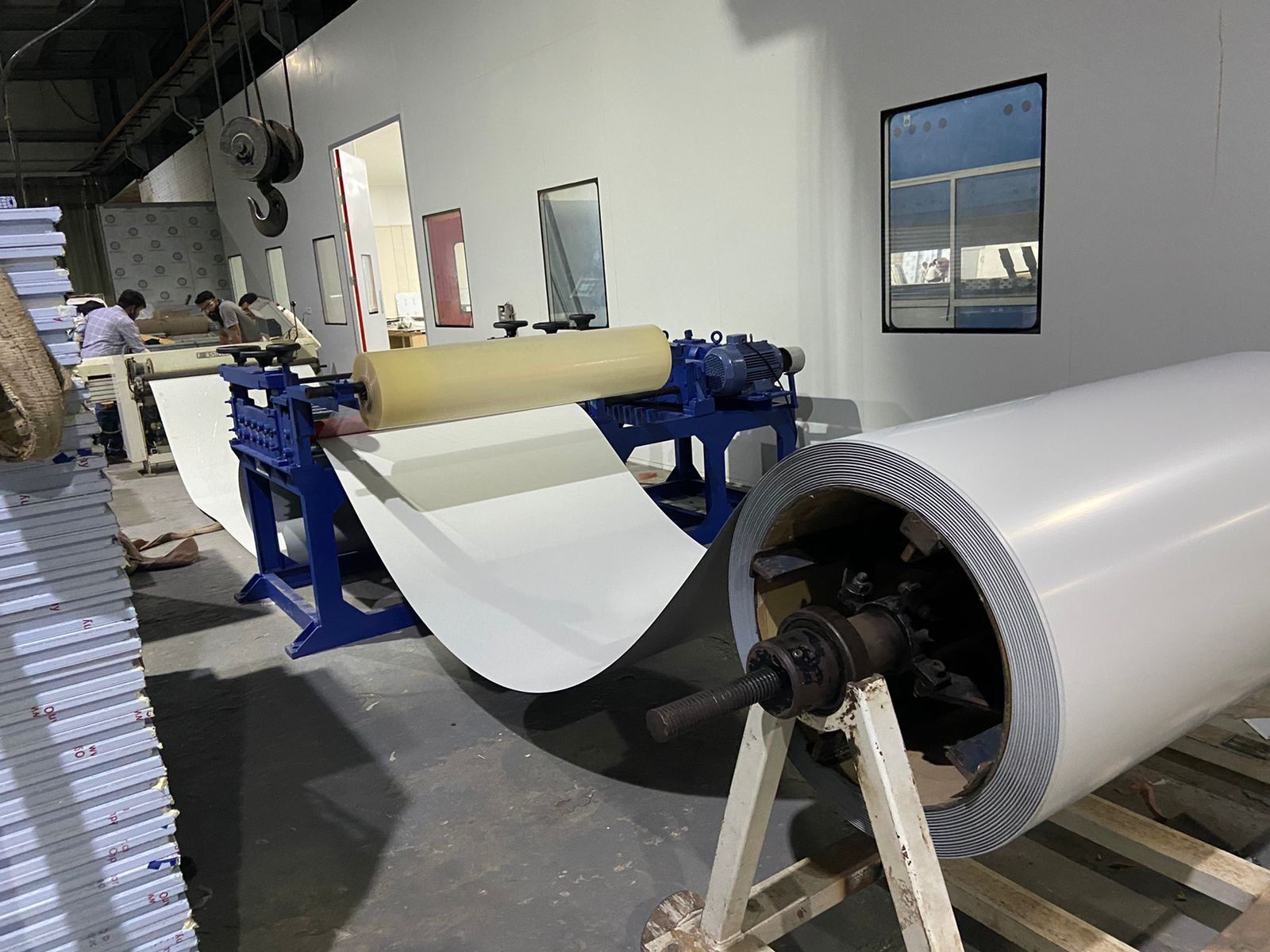
Common materials processed include steel, stainless steel, aluminum, copper alloys, and specialty metals. Applications span fabrication shops, automotive components, construction materials, appliance manufacturing, and heavy engineering.
Importance: Why This Topic Matters Today
Sheet straightening machines matter because modern manufacturing depends on accuracy and efficiency. Even small deviations in flatness can lead to assembly issues, tool wear, and rejected components. Straightening equipment directly addresses these problems by improving material quality before further processing.
Key reasons this technology is important include:
-
Dimensional accuracy: Flat sheets enable precise cutting, welding, and forming.
-
Process efficiency: Reduced rework and fewer downstream corrections.
-
Material performance: Stress-relieved sheets behave more predictably during bending or stamping.
-
Industry impact: Fabrication, infrastructure, transportation, and energy sectors all rely on flat metal inputs.
As production tolerances tighten and automation increases, the demand for consistent sheet quality grows. Straightening machines support high-throughput environments while maintaining repeatable results, which is critical for modern industrial systems.
Recent Updates: Trends and Developments
In the recent period, sheet straightening technology has continued to evolve toward greater control and automation. Manufacturers have focused on improving precision while reducing manual intervention.
Notable developments include:
-
Digital control systems: Advanced sensors and feedback loops allow real-time adjustment of roller pressure and spacing.
-
Energy-efficient drives: Optimized motor systems reduce power consumption while maintaining straightening force.
-
Integration with production lines: Straightening units are increasingly positioned inline with cutting or leveling systems.
-
Data monitoring: Machine data is used for predictive maintenance and quality tracking.
These updates reflect broader industrial trends toward smart manufacturing, where equipment performance and material quality are monitored continuously to improve reliability.
Laws or Policies: Regulatory and Compliance Considerations
Sheet straightening machines operate within general industrial and manufacturing regulations. These typically focus on workplace safety, machine guarding, electrical standards, and environmental considerations. Compliance ensures safe operation, protects operators, and supports consistent production quality.
Common regulatory themes include:
-
Machine safety standards: Requirements for protective covers, emergency stops, and operator controls.
-
Electrical and mechanical compliance: Conformance to industrial equipment guidelines.
-
Environmental responsibility: Noise control, lubrication management, and energy efficiency expectations.
Rather than targeting straightening machines specifically, these frameworks apply broadly to industrial machinery, encouraging safe and responsible use across manufacturing environments.
Tools and Resources: Helpful References and Utilities
Understanding and optimizing sheet straightening often involves additional tools and resources that support planning, operation, and maintenance.
Useful resources include:
-
Material property calculators: Tools that estimate yield strength and elastic limits.
-
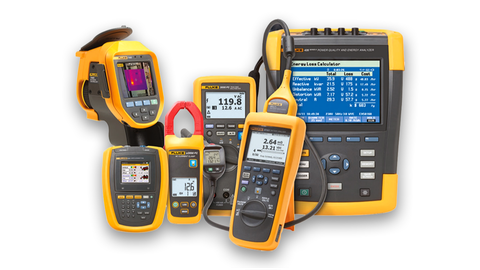
Flatness measurement gauges: Devices for checking sheet deviation before and after straightening.
-
Technical manuals and handbooks: Reference documents on metal forming and stress relief.
-
Industry knowledge portals: Educational platforms covering metal processing fundamentals.
-
Maintenance planning templates: Structured guides for inspection and lubrication schedules.
These resources help operators and engineers apply straightening technology effectively and consistently.
How Sheet Straightening Works: A Practical View
The straightening process typically uses multiple rollers arranged above and below the sheet path. Each roller applies controlled pressure, alternating the bending direction to neutralize internal stresses.
Basic process steps:
-
Sheet enters the straightening zone.
-
Rollers apply incremental bending forces.
-
Material stress redistributes across thickness.
-
Sheet exits with improved flatness.
Below is a simplified comparison of straightening methods:
| Method Type | Primary Mechanism | Typical Use Case |
|---|---|---|
| Roller Straightening | Alternating roller pressure | Continuous sheet processing |
| Press Straightening | Localized controlled force | Thick plates or specific areas |
| Leveling Systems | Fine adjustment rollers | High-precision flatness needs |
Performance Factors That Influence Results
Several factors influence how effectively a sheet straightening machine performs. Understanding these variables helps explain why different machines are used for different materials.
Key influencing factors include:
-
Material thickness and hardness
-
Roller diameter and spacing
-
Number of straightening rollers
-
Feed speed and pressure control
FAQs: Common Questions Answered
What materials can be processed with sheet straightening machines?
Most machines handle steel, stainless steel, aluminum, and various alloys. Capacity depends on thickness, width, and mechanical properties.
How does straightening differ from leveling?
Straightening focuses on removing bends and residual stress, while leveling emphasizes achieving very tight flatness tolerances across the entire sheet.
Does straightening affect material strength?
The process redistributes internal stresses but does not significantly alter the base mechanical properties when performed correctly.
Where are these machines commonly used?
They are widely used in fabrication, automotive components, construction materials, and precision engineering environments.
How is straightening quality checked?
Quality is assessed using flatness gauges, straight edges, and measurement systems that detect deviations across the sheet surface.
Conclusion
Sheet straightening machines play a foundational role in modern metal processing. By correcting distortions and balancing internal stresses, they ensure metal sheets meet the flatness and reliability required for advanced manufacturing. Their importance spans multiple industries, supporting accuracy, efficiency, and material performance.
With ongoing improvements in control systems, energy efficiency, and integration, straightening technology continues to align with the needs of contemporary production environments. Understanding how these machines work, why they matter, and how they are regulated provides practical insight into a critical step of industrial manufacturing.