Rebar Cutting Machines: An Overview, Guide, and Practical Insights
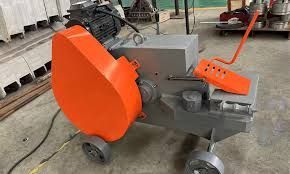
Rebar cutting machines are industrial tools designed to cut reinforcing steel bars used in construction projects. Reinforcing bars, commonly called rebar, strengthen concrete structures such as bridges, buildings, tunnels, and infrastructure frameworks. These machines make the cutting process precise, efficient, and consistent compared with manual cutting methods.
Concrete is strong under compression but weaker under tension. Reinforcing steel bars help compensate for this limitation by adding tensile strength. Because rebar comes in long lengths and various diameters, construction teams must cut it into specific sizes that match structural design requirements. Rebar cutting machines exist to perform this task safely and accurately.
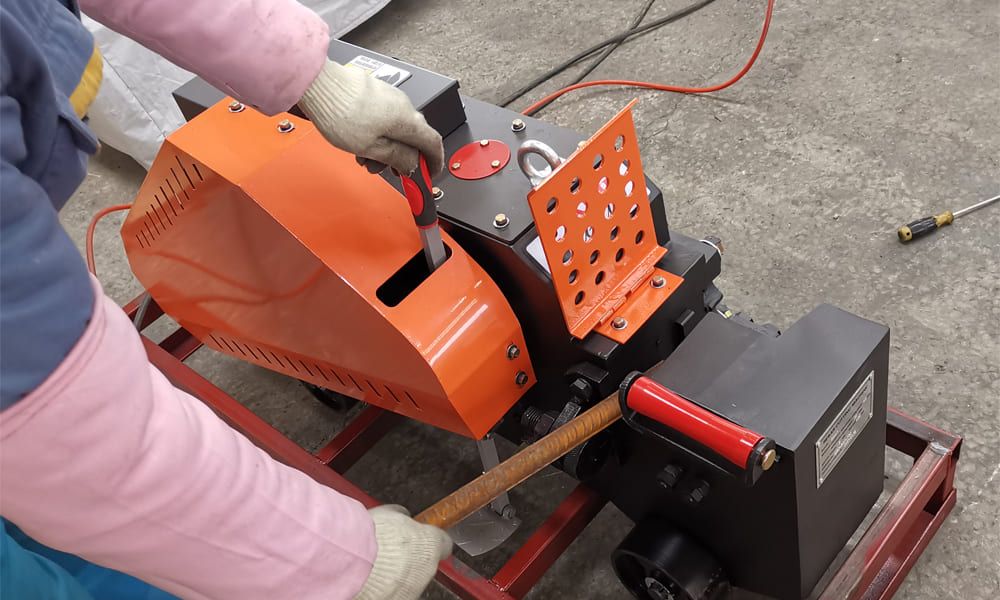
Modern machines typically use mechanical blades, hydraulic pressure systems, or electric motor-driven cutting mechanisms. The machine holds the steel bar in place and applies force to create a clean cut without deforming the material.
The equipment is widely used in:
-
Building construction projects
-
Infrastructure development such as roads and bridges
-
Precast concrete manufacturing facilities
-
Steel fabrication workshops
-
Industrial construction environments
The development of rebar cutting machines reflects the broader growth of automated construction equipment. As construction projects become larger and more complex, machines that increase productivity and precision have become essential tools for engineers, contractors, and construction technicians.
Why Rebar Cutting Machines Matter
Rebar cutting machines play an important role in modern construction workflows. Accurate steel bar preparation ensures that reinforced concrete structures maintain their designed strength and durability.
Several factors explain why these machines are widely used across construction and infrastructure sectors.
Improved accuracy in reinforcement preparation
Manual cutting methods can produce inconsistent results. Machines help ensure that each bar is cut to the required measurement, which supports structural integrity.
Higher productivity in construction operations
Cutting steel bars manually requires time and physical effort. Automated cutting systems allow operators to process multiple bars quickly, which helps maintain project timelines.
Enhanced workplace safety
Handling steel bars and cutting tools can present risks. Rebar cutting machines often include safety guards, emergency stop controls, and stable clamping systems that reduce accidents during cutting operations.
Consistency in large-scale construction projects
Infrastructure projects such as highways, metro systems, and industrial buildings require thousands of steel bars. Machines ensure that every piece meets the required length specifications.
Support for structural engineering standards
Engineering designs specify precise reinforcement lengths and shapes. Reliable cutting equipment helps construction teams follow those design specifications closely.
These advantages make rebar cutting machines valuable tools in environments where efficiency, structural accuracy, and safety are important priorities.
Types of Rebar Cutting Machines
Different types of machines are used depending on construction requirements, bar diameter, and worksite conditions.
| Machine Type | Key Characteristics | Typical Use |
|---|---|---|
| Manual Lever Cutter | Mechanical lever system for cutting smaller bars | Small workshops |
| Electric Rebar Cutter | Motor-driven cutting blade | Construction sites |
| Hydraulic Rebar Cutter | Hydraulic pressure system for heavy-duty cutting | Infrastructure projects |
| Portable Rebar Cutter | Lightweight and movable cutting equipment | On-site reinforcement work |
| Automated Cutting Machine | Computer-controlled cutting system | Industrial fabrication facilities |
Each type offers different advantages in terms of portability, cutting capacity, and operational efficiency.
Recent Developments and Industry Trends
Advancements in construction technology continue to influence how rebar cutting machines are designed and used. Several trends have emerged recently as the construction industry adopts smarter equipment.
Automation and digital integration
Manufacturers have introduced automated cutting systems that integrate digital measurement controls. These systems allow operators to input required lengths and produce consistent cuts with minimal adjustment.
Energy-efficient motor systems
Recent designs focus on improving energy efficiency by using optimized electric motors and hydraulic systems. This approach helps reduce overall equipment power consumption during operation.
Portable equipment for flexible construction sites
Compact rebar cutters are increasingly used on construction sites where mobility is important. Lightweight machines allow reinforcement preparation directly at the work location.
Improved blade materials
Advances in cutting blade materials have enhanced durability and cutting precision. Hardened alloy steel blades are now commonly used for longer operational lifespan.
Integration with smart construction practices
In many modern construction environments, reinforcement preparation is becoming part of digital project management systems. Machine measurements can be aligned with structural design data for improved accuracy.
These trends show how traditional construction equipment continues to evolve alongside technological progress in engineering and industrial manufacturing.
Basic Working Principle of Rebar Cutting Machines
Although designs vary, most machines operate using a similar cutting principle.
-
The rebar is placed inside the machine’s cutting slot.
-
A clamping system holds the steel bar in position.
-
A motor or hydraulic system drives the cutting blade.
-
The blade applies force to shear the steel bar.
-
The cut bar is removed and prepared for reinforcement placement.
Regulations and Safety Considerations
Construction equipment such as rebar cutting machines is typically subject to industrial safety standards and workplace equipment regulations. These rules aim to protect workers and ensure proper machine operation.
Regulatory frameworks generally emphasize:
-
Machine safety guards and protective covers
-
Emergency stop mechanisms
-
Operator training requirements
-
Noise and vibration control measures
-
Safe handling procedures for steel reinforcement
Workplace safety guidelines often recommend that operators use protective equipment such as safety gloves, eye protection, and steel-toe footwear when handling reinforcement bars and cutting machines.
Equipment manufacturers also provide operational manuals describing safe usage procedures and maintenance guidelines.
Compliance with safety standards helps reduce workplace incidents and ensures reliable machine performance during construction operations.
Tools and Resources Related to Rebar Cutting
Several tools and digital resources help engineers, construction planners, and site technicians manage reinforcement preparation more effectively.
Useful resources include:
Structural design software
Engineering software platforms help determine reinforcement lengths and cutting specifications based on structural calculations.
Construction measurement calculators
Online calculators allow users to estimate steel reinforcement quantities and cutting dimensions for structural elements.
Project planning platforms
Digital project management tools assist construction teams in organizing reinforcement preparation tasks and scheduling equipment usage.
Technical documentation resources
Engineering manuals and technical guidelines provide information about reinforcement standards and machine operation procedures.
Training materials and safety guides
Instructional resources explain safe handling practices, equipment maintenance steps, and machine inspection procedures.
These tools help ensure that reinforcement cutting processes align with engineering design requirements and workplace safety practices.
Common Applications in Construction Projects
Rebar cutting machines support many types of construction and infrastructure development activities.
| Construction Sector | Role of Rebar Cutting Machines |
|---|---|
| Residential buildings | Preparing reinforcement bars for foundations and columns |
| Commercial construction | Processing steel reinforcement for large structural frames |
| Bridges and highways | Cutting high-strength steel bars for infrastructure reinforcement |
| Precast concrete manufacturing | Preparing reinforcement cages for prefabricated components |
| Industrial facilities | Reinforcement preparation for heavy-duty concrete structures |
Because reinforced concrete remains one of the most widely used construction materials, equipment that supports reinforcement preparation continues to be essential.
Frequently Asked Questions
What is a rebar cutting machine used for?
A rebar cutting machine is used to cut steel reinforcement bars to specific lengths required for reinforced concrete structures. It ensures precise cutting for construction applications.
How does a hydraulic rebar cutter work?
Hydraulic rebar cutters use pressurized hydraulic fluid to generate strong cutting force. This force drives a hardened blade that shears steel bars efficiently.
What types of construction projects use these machines?
Rebar cutting machines are commonly used in building construction, infrastructure projects, bridge development, industrial facilities, and precast concrete manufacturing.
Why is accurate rebar cutting important?
Accurate cutting ensures that reinforcement bars fit properly within structural designs. This supports the strength and stability of reinforced concrete structures.
Are rebar cutting machines portable?
Some models are designed to be portable for use directly on construction sites, while larger industrial machines are typically installed in fabrication facilities.
Conclusion
Rebar cutting machines are an important part of modern construction processes. They enable construction teams to prepare reinforcement steel quickly, accurately, and safely. By replacing manual cutting methods with mechanized systems, these machines help improve productivity and maintain structural precision.
As construction projects become more complex and infrastructure development expands, efficient reinforcement preparation continues to play a critical role in engineering workflows. Advances in automation, portable equipment, and improved cutting technology are shaping how rebar cutting machines are used in contemporary construction environments.