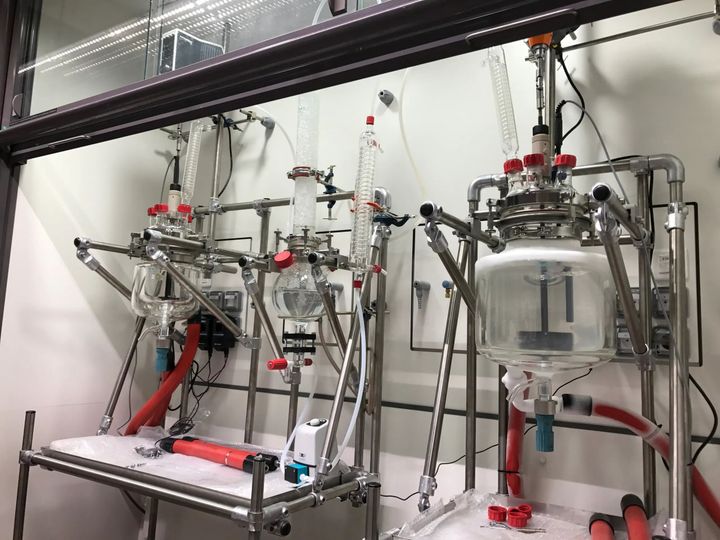
Pressure Reactors Explained: Basics, Working Principles, and Key Insights
Pressure reactors are specialized industrial vessels designed to carry out chemical reactions under controlled pressure and temperature conditions. These systems are widely used in chemical processing, pharmaceutical production, petrochemical research, and advanced material development. By allowing reactions to occur in sealed environments, pressure reactors enable scientists and engineers to manage reaction conditions that cannot occur safely in open containers.
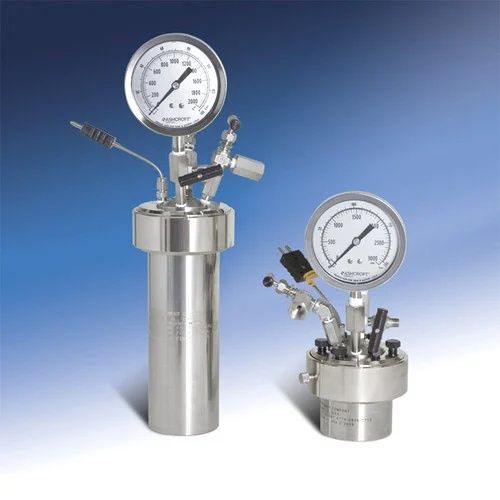
In many chemical processes, reactions require elevated pressure to increase reaction rates or to enable substances to dissolve and react more efficiently. Pressure reactors provide the structural strength and control systems needed to handle these conditions. They are typically made from durable materials such as stainless steel or alloy metals that resist corrosion and withstand extreme environments.
At their core, pressure reactors combine three essential functions:
-
Containing reactive substances safely
-
Maintaining precise temperature and pressure conditions
-
Allowing controlled mixing and monitoring of reactions
These reactors are used both in laboratory environments for research experiments and in large-scale industrial facilities for continuous production. Laboratory reactors may hold small quantities of chemicals for testing, while industrial reactors can process large volumes of materials in manufacturing plants.
A typical pressure reactor system includes several main components:
| Component | Function |
|---|---|
| Reactor Vessel | Contains chemicals and reaction mixture |
| Heating System | Maintains required reaction temperature |
| Pressure Control System | Regulates internal pressure levels |
| Agitator or Stirrer | Ensures uniform mixing |
| Sensors and Monitoring Devices | Measure temperature, pressure, and reaction progress |
The design and configuration of a pressure reactor often depend on the type of chemical process involved. Some reactors are designed for batch reactions, where materials are loaded, processed, and then removed. Others are designed for continuous reactions that operate without interruption.
Pressure reactors exist because many chemical reactions require conditions beyond normal atmospheric pressure. Without these systems, many modern industrial processes—including polymer synthesis, hydrogenation reactions, and advanced material production—would be difficult or impossible to perform safely.
Why Pressure Reactors Matter in Modern Industry
Pressure reactors play a significant role in modern manufacturing and scientific research. Their ability to control reaction environments allows industries to produce complex chemicals and materials with precision and consistency.
Industries that commonly rely on pressure reactors include:
-
Chemical manufacturing
-
Pharmaceutical development
-
Petrochemical refining
-
Polymer and plastics production
-
Energy and environmental research
One of the main advantages of pressure reactors is their ability to improve reaction efficiency. Many chemical reactions proceed faster or more completely when pressure is increased. Higher pressure can also help gases dissolve into liquids, which is important in reactions such as hydrogenation and catalytic processing.
Another important benefit is improved safety. By containing reactions inside sealed vessels, pressure reactors prevent exposure to hazardous chemicals and reduce the risk of uncontrolled reactions. Advanced monitoring systems also allow operators to track reaction conditions in real time.
Pressure reactors also support innovation in scientific research. Many emerging technologies—such as advanced battery materials, specialty chemicals, and sustainable fuels—require precise chemical processes that rely on pressure-controlled environments.
The impact of pressure reactors can also be seen in environmental and energy applications. Researchers use these systems to study carbon capture reactions, hydrogen fuel production, and waste conversion processes.
The following table highlights several common applications:
| Industry Sector | Typical Pressure Reactor Application |
|---|---|
| Pharmaceuticals | Drug synthesis and chemical intermediates |
| Petrochemicals | Catalytic reactions and hydroprocessing |
| Materials Science | Nanomaterials and specialty polymers |
| Environmental Research | Carbon capture and waste treatment |
| Energy Research | Hydrogen and renewable fuel studies |
Because of these diverse applications, pressure reactor technology continues to evolve with improvements in automation, digital monitoring, and materials engineering.
Recent Developments and Technology Trends
Recent advancements in pressure reactor technology have focused on improving precision, automation, and safety monitoring. Researchers and industrial engineers are exploring ways to make these systems more efficient and adaptable for new chemical processes.
One noticeable trend is the integration of digital monitoring systems. Modern reactors increasingly use advanced sensors, data logging tools, and computer-based control systems to monitor pressure, temperature, and reaction progress in real time. These systems allow operators to detect changes quickly and maintain stable reaction conditions.
Another emerging trend is the use of modular reactor systems in research laboratories. Modular reactors allow scientists to quickly adjust reactor configurations, volumes, and operating parameters during experimental studies.
Several developments have also been reported in scientific publications and industrial engineering reports in recent months. These updates focus on:
-
Improved corrosion-resistant reactor materials
-
Advanced catalytic reactor designs
-
Integration of automated control platforms
-
Development of micro-scale high-pressure reactors for research
Microreactor technology is also gaining attention. These compact systems allow researchers to study chemical reactions at very small scales while maintaining precise pressure conditions. Microreactors are particularly useful in pharmaceutical research and chemical process optimization.
Another area of innovation is sustainability research. Pressure reactors are increasingly used to study chemical recycling processes, carbon capture reactions, and alternative energy fuels.
These developments demonstrate how pressure reactor technology continues to adapt to modern scientific and industrial challenges.
Regulatory and Safety Frameworks Affecting Pressure Reactors
Pressure reactors operate under strict safety standards because they involve high pressures and potentially hazardous chemicals. Various engineering codes and industrial safety frameworks guide the design, manufacturing, and operation of pressure vessels.
Engineering standards typically address factors such as:
-
Structural design requirements
-
Maximum allowable pressure levels
-
Materials used for vessel construction
-
Inspection and testing procedures
-
Safety valves and pressure relief systems
These standards help ensure that pressure reactors can safely contain chemical reactions without structural failure. Engineers use detailed calculations and testing methods to verify that reactors meet required performance limits.
Industrial safety programs also require regular inspection and maintenance of pressure reactors. These procedures help identify wear, corrosion, or mechanical stress that could affect reactor performance.
Common safety practices include:
-
Routine pressure testing
-
Sensor calibration checks
-
Temperature monitoring systems
-
Emergency shutdown mechanisms
In addition to engineering codes, workplace safety guidelines often require training programs for reactor operators. These programs teach proper operating procedures, hazard awareness, and emergency response protocols.
By following these regulatory frameworks and engineering guidelines, industries can operate pressure reactors safely while maintaining reliable production processes.
Tools and Resources for Understanding Pressure Reactors
Several tools and technical resources help engineers, researchers, and students better understand pressure reactor systems and chemical reaction behavior.
Engineering software platforms are often used to simulate chemical processes and reactor performance before physical experiments are conducted. Simulation tools allow users to predict reaction rates, pressure changes, and heat transfer within the reactor.
Examples of useful resources include:
-
Chemical process simulation software
-
Reaction kinetics modeling tools
-
Pressure vessel design calculators
-
Engineering standards documentation
-
Academic research databases
Educational platforms and technical textbooks also provide detailed explanations of reactor design principles, thermodynamics, and chemical reaction engineering.
Digital monitoring systems are another important resource for modern pressure reactors. These systems collect real-time data from sensors installed in the reactor vessel. The information helps engineers analyze reaction behavior and maintain stable operating conditions.
The following table highlights common types of technical tools used in reactor research and design:
| Tool Type | Purpose |
|---|---|
| Process Simulation Software | Predicts reactor performance and chemical reactions |
| Pressure Vessel Calculators | Assists with structural design calculations |
| Data Monitoring Systems | Tracks pressure, temperature, and reaction variables |
| Chemical Databases | Provides reaction properties and chemical data |
| Engineering Reference Guides | Explains reactor design standards and best practices |
Access to these tools supports accurate research, safer reactor operation, and improved chemical process design.
Frequently Asked Questions
What is a pressure reactor used for?
A pressure reactor is used to perform chemical reactions under controlled pressure and temperature conditions. These reactors enable processes such as hydrogenation, polymer synthesis, and catalytic reactions that require sealed environments.
How does a pressure reactor maintain safety during reactions?
Pressure reactors include safety features such as pressure relief valves, temperature sensors, and monitoring systems. These components help maintain stable operating conditions and prevent excessive pressure buildup.
What materials are commonly used to build pressure reactors?
Most pressure reactors are made from stainless steel or corrosion-resistant alloys. These materials provide strength, durability, and resistance to chemical reactions occurring inside the vessel.
What industries rely on pressure reactor technology?
Several industries use pressure reactors, including pharmaceuticals, petrochemicals, materials science, and energy research. These reactors enable complex chemical reactions that support modern industrial production.
How are pressure reactors different from standard reaction vessels?
Standard reaction vessels usually operate at atmospheric pressure, while pressure reactors are designed to safely handle elevated pressure conditions. This allows chemical reactions to occur more efficiently or under specialized conditions.
Conclusion
Pressure reactors are essential tools in chemical engineering, scientific research, and industrial manufacturing. By providing controlled environments for chemical reactions, they allow complex processes to occur safely and efficiently. Their ability to manage pressure, temperature, and mixing conditions makes them indispensable in industries ranging from pharmaceuticals to energy development.
Advancements in monitoring systems, reactor materials, and digital simulation tools continue to improve the reliability and precision of pressure reactor technology. As research progresses and industries explore new chemical processes, pressure reactors will remain an important component of modern engineering and scientific innovation.