Portable Air Compressors Explained: Overview, Working Methods & Essential Knowledge
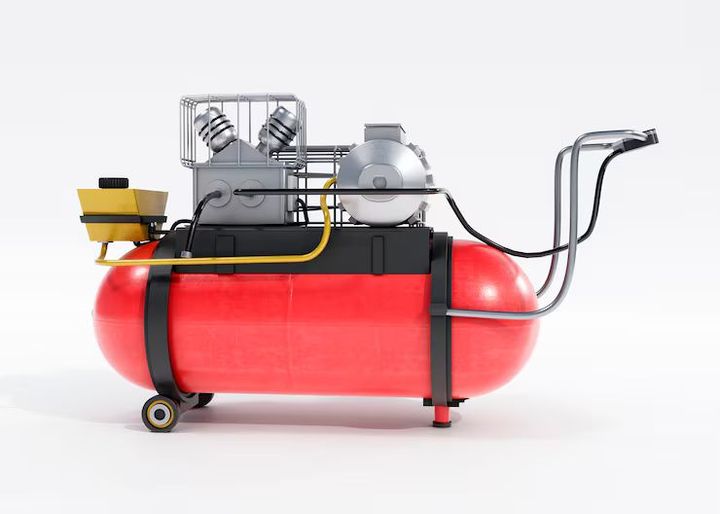
Portable air compressors are compact mechanical devices designed to compress atmospheric air and store it under pressure for later use. Unlike fixed industrial compressors, these units are designed for mobility and flexible operation across different locations. They are commonly used in construction, automotive maintenance, manufacturing support, agriculture, and household applications.
The purpose of portable air compressors is to provide a reliable source of compressed air where permanent installations are impractical. Compressed air is a versatile form of energy used to power tools, inflate tires, clean equipment, and support various pneumatic operations. Portability allows users to perform these tasks on-site without relying on fixed infrastructure.
Over time, portable air compressors have evolved to become lighter, quieter, and more energy-efficient, while maintaining consistent pressure output and durability.
Why Portable Air Compressors Matter Today
Portable air compressors matter today because modern work environments increasingly require flexibility and mobility. Many tasks are performed at temporary sites, remote locations, or changing work areas where fixed air supply systems are unavailable.
This topic affects a wide range of users:
-
Construction and maintenance teams
-
Automotive service technicians
-
Small manufacturing and repair workshops
-
Agricultural and utility workers
Portable air compressors help solve practical challenges such as powering pneumatic tools on-site, reducing manual labor, and improving task efficiency. They also support safety by enabling proper equipment operation and maintenance.
Key reasons these devices remain widely used include:
-
Demand for mobile power solutions
-
Growth of pneumatic tools across industries
-
Need for rapid setup and relocation
-
Increased focus on versatile equipment
As work environments become more dynamic, portable compressed air solutions continue to play a vital role.
Basics of How Portable Air Compressors Work
Portable air compressors operate by drawing in ambient air, compressing it to a higher pressure, and storing it in a tank or delivering it directly to an application. The compressed air is then released in a controlled manner when needed.
The basic working process includes:
-
Air intake through a filter
-
Compression of air using a mechanical mechanism
-
Storage of compressed air in a tank or direct output
-
Pressure regulation through valves and controls
Once the desired pressure is reached, the compressor either stops automatically or maintains pressure through regulated cycling.
A simplified process overview is shown below:
| Process Stage | Purpose |
|---|---|
| Air Intake | Supply atmospheric air |
| Compression | Increase air pressure |
| Storage/Delivery | Hold or supply compressed air |
| Regulation | Control pressure output |
| Discharge | Power tools or applications |
This straightforward process allows portable air compressors to support a wide range of tasks.
Common Working Methods Used in Portable Air Compressors
Portable air compressors use different compression mechanisms depending on size, pressure requirements, and application.
Common working methods include:
-
Reciprocating (piston) compressors, using pistons to compress air
-
Rotary screw compressors, using rotating elements for continuous airflow
-
Diaphragm compressors, using flexible membranes for oil-free air
-
Centrifugal compressors, less common in portable formats
Reciprocating compressors are widely used in portable units due to their simplicity and suitability for intermittent use. Rotary screw compressors are typically found in larger portable systems requiring continuous airflow.
A comparison of working methods is shown below:
| Compression Method | Key Characteristics |
|---|---|
| Reciprocating | Intermittent use, compact |
| Rotary Screw | Continuous output |
| Diaphragm | Clean, oil-free air |
| Centrifugal | High flow, limited portability |
Each method is chosen based on performance needs rather than complexity.
Types of Portable Air Compressors
Portable air compressors are categorized by power source, pressure range, and intended use. Understanding these types helps clarify their practical applications.
Common types include:
-
Electric portable compressors, suitable for indoor or workshop use
-
Engine-driven compressors, powered by petrol or diesel for outdoor sites
-
Oil-lubricated compressors, designed for durability
-
Oil-free compressors, used where clean air is essential
A simplified overview is shown below:
| Compressor Type | Typical Use |
|---|---|
| Electric | Garages and workshops |
| Engine-Driven | Construction sites |
| Oil-Lubricated | Heavy-duty tasks |
| Oil-Free | Sensitive applications |
These categories highlight the adaptability of portable air compressors across environments.
Recent Updates and Industry Developments
Over the past year, portable air compressor technology has continued to improve in efficiency, usability, and environmental alignment.
In January 2025, equipment studies highlighted quieter motor designs aimed at reducing noise levels in urban and indoor work settings.
By June 2025, increased adoption of energy-efficient motors and variable-speed drives was observed, helping reduce power consumption during intermittent use.
Another notable trend in October 2025 involved improved portability features, such as lighter frames and integrated wheel systems, supporting easier transport across job sites.
A general comparison of earlier and recent systems is shown below:
| Aspect | Earlier Models | Recent Developments (2025) |
|---|---|---|
| Noise Level | Higher | Reduced noise designs |
| Energy Use | Fixed speed | Variable-speed operation |
| Mobility | Basic frames | Enhanced portability |
| Monitoring | Manual gauges | Digital displays |
These developments focus on usability and efficiency rather than higher pressure alone.
Regulatory and Safety Considerations in India
In India, portable air compressors are regulated under broader industrial safety and equipment standards rather than compressor-specific legislation.
Key regulatory influences include:
-
Factories Act, 1948, covering workplace equipment safety
-
Bureau of Indian Standards (BIS) guidelines for pressure equipment
-
Occupational safety regulations related to noise and operation
During 2024–2025, regulatory emphasis increased on equipment safety labeling, pressure vessel integrity, and proper operator training. Regular inspection and maintenance are generally expected to ensure safe operation.
For portable compressors used in commercial environments, adherence to applicable safety standards and documentation practices is important.
Tools and Resources Related to Portable Air Compressors
Several practical tools and reference resources support the safe and effective use of portable air compressors. These resources focus on operation, maintenance, and performance evaluation.
Helpful tools include:
-
Air pressure requirement charts
-
Tool air consumption calculators
-
Maintenance and inspection checklists
-
Noise exposure reference guides
-
Safety operation manuals
Key parameters often monitored are shown below:
| Parameter | Purpose |
|---|---|
| Operating Pressure | Tool compatibility |
| Airflow Rate | Performance consistency |
| Tank Capacity | Usage duration |
| Duty Cycle | Equipment longevity |
These tools help users match compressors to tasks and maintain reliable operation.
Frequently Asked Questions About Portable Air Compressors
What are portable air compressors commonly used for?
They are used to power pneumatic tools, inflate tires, clean equipment, and support maintenance tasks.
How do oil-free compressors differ from oil-lubricated ones?
Oil-free compressors provide cleaner air, while oil-lubricated units are typically more durable for heavy use.
Are portable air compressors suitable for continuous operation?
Most portable units are designed for intermittent use, though some larger models support longer duty cycles.
Why is airflow rating important?
Airflow determines whether the compressor can meet the demands of connected tools consistently.
How is safety ensured during operation?
Safety is ensured through pressure relief valves, regular inspections, and adherence to operating guidelines.
Conclusion
Portable air compressors are versatile and essential tools that provide compressed air in flexible and mobile settings. They support a wide range of applications across construction, maintenance, automotive, and industrial environments.
Recent developments highlight quieter operation, improved energy efficiency, and enhanced portability. At the same time, regulatory frameworks in India continue to emphasize safety, pressure control, and proper equipment handling.