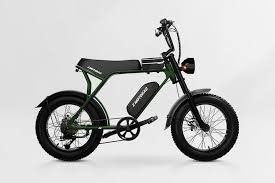
The idea of the e-bike exists for several reasons. As urban congestion, pollution and fuel costs rise, alternatives to conventional vehicles are sought. E-bikes bridge the gap between a standard bicycle (purely human-powered) and full motor vehicles (petrol or electric motorcycles). They make cycling easier and more accessible to a wider range of people, such as older riders or those tackling hills. They also open up possibilities for commuting, errands, and recreational rides with less physical strain.
Importance
Why is the topic of electric bicycles significant today?
-
Mobility & last-mile transport: In cities, many trips are short (under 10 km) and e-bikes provide a flexible solution that’s faster than walking but simpler than a car or scooter.
-
Environmental impact: Because they replace car or scooter trips, e-bikes can reduce fuel consumption, carbon emissions, and traffic congestion—particularly important in growing urban areas.
-
Health & accessibility: They retain the health benefits of cycling (leg movement, cardiovascular engagement) but lower the barrier to entry. For people less physically fit or facing terrain challenges, the assist motor expands who can use a bicycle.
-
Economic & urban development: E-bikes can be more affordable than motor vehicles, both in purchase and operating costs. They may therefore affect commuting choices, urban design (bike lanes, parking), and mobility equity.
-
Technology and infrastructure shift: As battery and motor technologies improve, e-bikes become more capable (longer range, lighter weight). This influences product design, city planning, and policy frameworks.
Because of these factors, e-bikes affect multiple stakeholder groups: city planners, transport policy makers, cyclists (recreational or commuting), employers looking at employee mobility, and everyday consumers considering alternatives to cars or motorcycles.
Recent Updates
Here are some of the key changes and trends in the e-bike space over the past year or two:
-
The global e-bike market was valued at around USD 43.6 billion in 2023, and is projected to grow significantly through the 2020s.
-
In India, the e-bike market is estimated at USD 1.3 billion in 2024 and is expected to grow to about USD 3 billion by 2033, with steady annual growth.
-
Online channels are expanding, with digital platforms playing a larger role in awareness and information sharing about e-bikes.
-
Technological innovations: New drive systems are being introduced with better torque, lighter frames, and improved range, making e-bikes more efficient and reliable.
-
Infrastructure and regulatory evolution: Cities are gradually expanding cycling lanes, improving charging facilities, and integrating e-bikes into urban mobility plans. However, subsidy changes and infrastructure constraints have affected adoption in some regions.
These updates show that while adoption is growing, there are still challenges related to infrastructure, policy clarity, and affordability.
Laws or Policies
In India and many other countries, e-bikes are subject to specific regulations that define how they are used and who can operate them. Key points include:
-
Low-speed e-bike exemption: E-bikes with a motor up to 250 W and a top speed of 25 km/h are typically treated like regular bicycles. They don’t require registration, a driving licence, or third-party insurance.
-
Higher-power classification: If the motor power or speed exceeds those limits, the e-bike is treated as a motor vehicle and must be registered with the Regional Transport Office (RTO), with licensing and helmet rules applicable.
-
Government initiatives: The FAME India Scheme (Faster Adoption and Manufacturing of Electric & Hybrid Vehicles) supports the growth of electric mobility by offering incentives for the manufacturing and use of electric vehicles, including two-wheelers.
-
Local policies: Some states and cities have additional rules about e-bike use, parking, and infrastructure support. Riders should review local transport department guidelines.
-
Safety standards: Manufacturers must comply with safety standards related to battery performance, motor design, brakes, and construction. Altering or over-powering a low-speed e-bike can void its exemption and lead to penalties.
These policies help balance innovation, rider safety, and sustainable transport goals.
Tools and Resources
Here are some helpful tools, websites, and resources related to e-bikes:
-
E-bike comparison platforms – Sites that compare different e-bike models, motor types, and battery capacities.
-
Battery-range calculators – Tools that estimate range based on weight, speed, terrain, and assist level.
-
Ride-tracking apps – Many e-bikes come with smartphone apps that monitor ride statistics, battery level, and route maps.
-
Infrastructure mapping tools – Apps that show nearby charging stations, bike-friendly routes, and parking areas.
-
Government websites – Transport and energy ministry pages provide official guidelines on e-bike rules, incentives, and safety norms.
-
Cycling communities – Online forums and groups where e-bike owners discuss maintenance, riding techniques, and model reviews.
-
Educational resources – Tutorials and safety guides on how to maintain e-bikes and extend battery life.
Frequently Asked Questions
Q: Are e-bikes hard to ride compared to regular bicycles?
A: No. E-bikes function similarly to regular bicycles but include motor assistance. Pedalling activates the motor, making rides smoother, especially uphill or over long distances.
Q: Do I need a driver’s licence or registration for an e-bike in India?
A: No, not if your e-bike’s motor power is 250 W or less and the top speed is under 25 km/h. More powerful e-bikes require registration, insurance, and licensing.
Q: What kind of maintenance does an e-bike need?
A: Regular maintenance includes checking brakes, tyres, and chains, just like a regular bicycle. Battery care is also essential—avoid deep discharges, store at moderate temperatures, and use approved chargers.
Q: How far can an e-bike travel on a single charge?
A: The range depends on battery capacity, assist mode, rider weight, and terrain. Most commuter e-bikes can travel between 30–80 km on one charge. Advances in battery technology continue to improve range each year.
Q: Are e-bikes safe for city roads?
A: Yes, when used responsibly. Riders should wear helmets, obey traffic rules, and ensure proper lighting and brakes. E-bikes are safe for city commuting, especially when operated within their designed speed range.
Conclusion
Electric bicycles provide an effective bridge between traditional cycling and motorized transport. They address key urban challenges like traffic congestion, fuel dependency, and air pollution while promoting accessibility and active lifestyles.
With steady technological progress, improved infrastructure, and supportive government initiatives, e-bikes are becoming an integral part of sustainable urban mobility. Whether for daily commuting or leisure rides, they represent a practical step toward cleaner, smarter, and healthier transportation for the future.