IT Infrastructure Solutions and Services: Explore Guide, Basics, Insights and Helpful Information
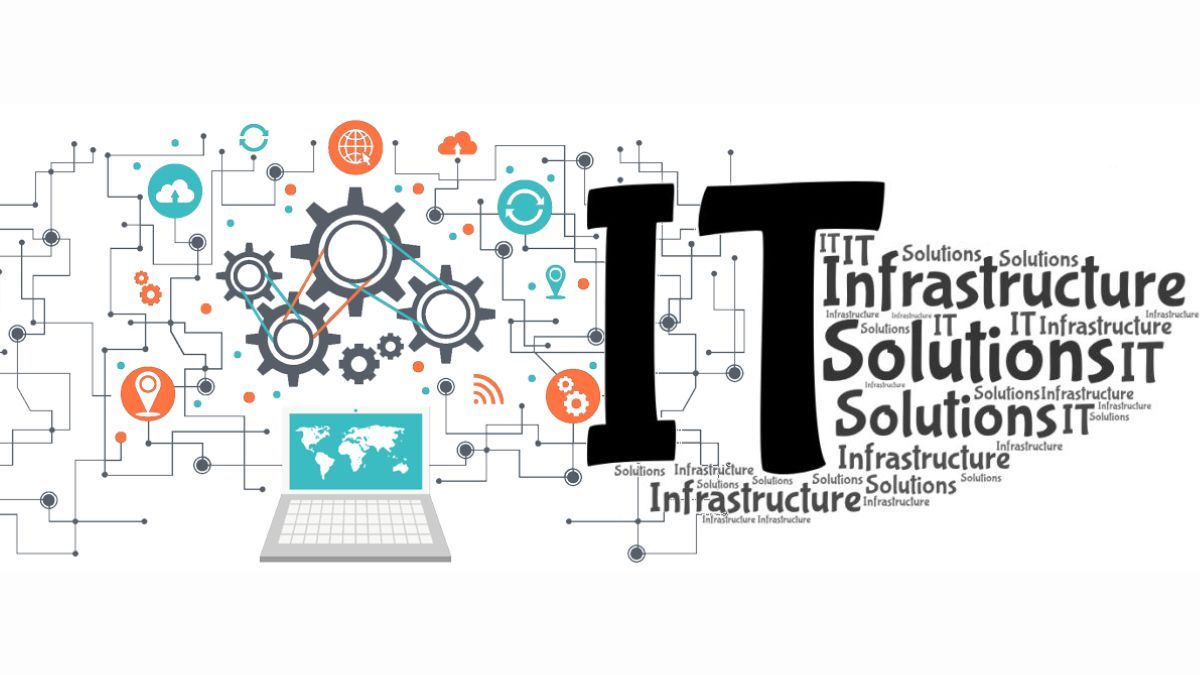
Information technology infrastructure refers to the combined set of hardware, software, networks, facilities, and systems that enable organizations to operate digital processes. It forms the technical backbone supporting applications, data storage, communication systems, and online platforms used in modern organizations.
In the digital era, nearly every sector relies on IT infrastructure to manage operations and process information efficiently. From data centers and cloud platforms to cybersecurity frameworks and network architecture, infrastructure components ensure that digital services function smoothly.
The concept evolved alongside the rapid expansion of the internet, enterprise software systems, and global data networks. Earlier infrastructures were primarily on-premise, meaning organizations maintained physical servers and networking equipment within their own facilities. Over time, cloud computing platforms and hybrid environments emerged, combining traditional systems with virtualized resources.
Today, IT infrastructure solutions include multiple layers such as:
-
Network infrastructure for communication between devices
-
Cloud computing environments for scalable data processing
-
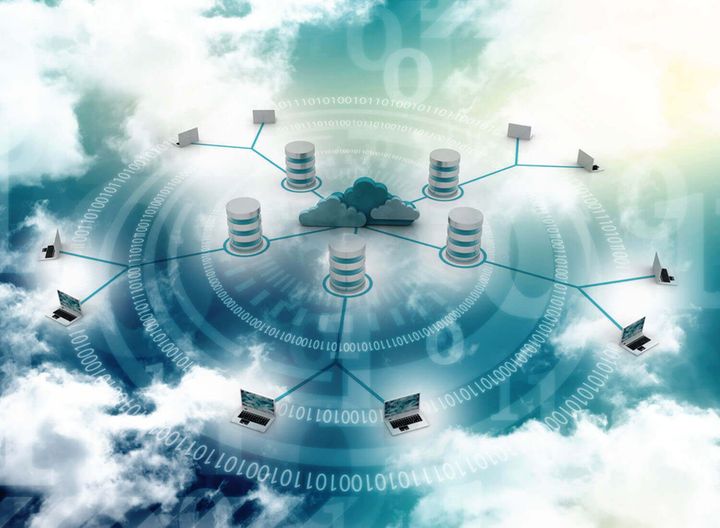
Data center systems for centralized storage and computing
-
Cybersecurity frameworks protecting digital assets
-
Enterprise software infrastructure enabling applications and services
These components collectively support the digital transformation of organizations worldwide. As businesses, governments, and institutions increasingly depend on digital systems, infrastructure has become an essential foundation for data management, remote connectivity, and online services.
Why IT Infrastructure Matters Today
Digital technology has become central to economic activity, communication, and information exchange. IT infrastructure plays a key role in enabling reliable connectivity, secure data processing, and scalable computing environments.
Organizations across industries—from finance and healthcare to education and logistics—rely on infrastructure to operate complex digital ecosystems. A well-structured infrastructure framework allows systems to handle increasing workloads, large volumes of data, and global connectivity requirements.
Several modern challenges highlight the importance of robust IT infrastructure:
-
Cybersecurity risks: Growing digital threats require advanced security architectures and monitoring systems.
-
Remote work environments: Distributed workforces rely on secure networks and cloud platforms.
-
Data growth: Massive increases in data require scalable storage and processing infrastructure.
-
Digital transformation initiatives: Businesses adopt automation, artificial intelligence, and analytics platforms that depend on strong infrastructure foundations.
The following table illustrates how infrastructure components support key digital functions.
| Infrastructure Component | Primary Function | Example Applications |
|---|---|---|
| Network Infrastructure | Enables device communication | Enterprise networks, remote access |
| Cloud Computing | Provides scalable computing power | Data analytics platforms |
| Data Centers | Centralized data storage and processing | Large enterprise systems |
| Cybersecurity Systems | Protects networks and information | Threat detection platforms |
| Storage Infrastructure | Manages large data volumes | Backup and recovery systems |
These systems support reliable performance, operational continuity, and digital innovation. As organizations expand their digital operations, infrastructure design and management have become strategic priorities.
Recent Developments and Technology Trends
Over the past year, several trends have influenced the evolution of IT infrastructure technologies. Advances in artificial intelligence, cloud computing, and cybersecurity have reshaped how organizations design and manage their systems.
One notable trend during 2025–2026 has been the expansion of hybrid and multi-cloud environments. Many organizations now combine public cloud platforms with private infrastructure systems to balance scalability, security, and regulatory compliance.
Another development is the growing adoption of edge computing architectures. Edge computing allows data processing to occur closer to the source of data generation, reducing latency and improving real-time analytics capabilities. This approach is particularly useful in industries such as manufacturing, transportation, and telecommunications.
Artificial intelligence has also influenced infrastructure management. AI-driven monitoring tools help analyze network traffic, detect anomalies, and optimize system performance automatically. These tools assist IT teams in identifying potential issues before they affect operations.
Cybersecurity frameworks have continued to evolve as well. In 2025, many organizations expanded the use of zero-trust architecture, a security model that assumes no user or device should automatically be trusted within a network. Instead, each access request is verified through identity authentication and continuous monitoring.
The following simplified chart illustrates the shift toward cloud-based and hybrid infrastructure models.
| Year | On-Premise Infrastructure | Cloud / Hybrid Infrastructure |
|---|---|---|
| 2018 | High reliance on physical systems | Limited adoption |
| 2022 | Balanced usage | Rapid expansion |
| 2025 | Reduced dependence | Widely implemented |
These trends highlight how infrastructure strategies continue to adapt to increasing data demands, global connectivity requirements, and evolving cybersecurity challenges.
Regulations and Policy Considerations
IT infrastructure systems are often influenced by regulatory frameworks designed to protect data, ensure privacy, and maintain digital security. Governments and international organizations establish policies that guide how organizations manage information systems.
In India, several policies influence the development and governance of digital infrastructure. The Digital India initiative, launched by the Government of India, promotes expanded digital connectivity, improved online services, and broader access to technology infrastructure.
Data protection has also become a central regulatory focus. The Digital Personal Data Protection Act, 2023, introduced new guidelines for handling personal information. Organizations that manage digital data must implement safeguards that protect user privacy and ensure responsible data processing practices.
Infrastructure operations may also be affected by cybersecurity regulations and industry-specific compliance requirements. These rules may include:
-
Data storage and processing guidelines
-
Cybersecurity reporting standards
-
Network security protocols
-
Digital governance frameworks
International organizations also play a role in shaping infrastructure standards. Global guidelines from organizations such as the International Organization for Standardization (ISO) and the National Institute of Standards and Technology (NIST) provide frameworks for information security management and infrastructure governance.
These policies encourage organizations to adopt secure infrastructure practices while maintaining transparency in data management.
Tools and Resources Related to IT Infrastructure
A wide range of digital tools help professionals monitor, analyze, and manage IT infrastructure environments. These tools support system performance analysis, network monitoring, cybersecurity assessments, and infrastructure planning.
Common categories of infrastructure tools include:
Network Monitoring Platforms
-
SolarWinds Network Performance Monitor
-
Nagios Infrastructure Monitoring
-
Zabbix Monitoring Platform
These systems help track network health, bandwidth usage, and connectivity issues.
Cloud Infrastructure Platforms
-
Amazon Web Services (AWS) infrastructure environment
-
Microsoft Azure cloud platform
-
Google Cloud infrastructure services
These platforms provide scalable computing resources, storage solutions, and virtual networking capabilities.
Cybersecurity Monitoring Tools
-
Security information and event management systems
-
Threat detection platforms
-
Network vulnerability scanners
These tools help organizations identify potential security risks and maintain strong digital protection measures.
Infrastructure Documentation Resources
-
IT architecture templates
-
Network diagram tools
-
Infrastructure planning frameworks
These resources help teams design infrastructure environments and document system architecture clearly.
Using reliable monitoring and management tools enables organizations to maintain system reliability, detect operational issues, and improve long-term infrastructure planning.
Frequently Asked Questions
What is IT infrastructure in simple terms?
IT infrastructure refers to the hardware, software, networks, and data systems that support digital operations within an organization. These components work together to enable computing, communication, and information management.
What are the main components of IT infrastructure?
The primary components typically include network systems, data centers, cloud computing platforms, storage infrastructure, and cybersecurity frameworks.
What is the difference between cloud infrastructure and traditional infrastructure?
Traditional infrastructure is usually hosted on physical servers within an organization’s facilities. Cloud infrastructure uses remote data centers that provide scalable computing resources through internet connectivity.
Why is cybersecurity important in IT infrastructure?
Cybersecurity protects networks, data systems, and applications from unauthorized access, cyber threats, and data breaches. Strong security measures help ensure system reliability and protect sensitive information.
What is hybrid infrastructure?
Hybrid infrastructure combines on-premise systems with cloud platforms. This approach allows organizations to maintain local systems while using cloud environments for scalability and flexibility.
Conclusion
IT infrastructure solutions form the foundation of modern digital environments. From network connectivity and cloud platforms to cybersecurity systems and data centers, infrastructure components support the operation of applications, communication networks, and data management processes.
As digital technologies continue to expand, infrastructure frameworks must adapt to increasing data volumes, evolving security challenges, and global connectivity demands. Recent developments such as hybrid cloud environments, edge computing, and AI-driven infrastructure management highlight the ongoing transformation of digital systems.
Regulatory frameworks, data protection policies, and international standards also shape how infrastructure is designed and maintained. By following these guidelines and using reliable tools, organizations can build resilient digital environments that support long-term technological growth.