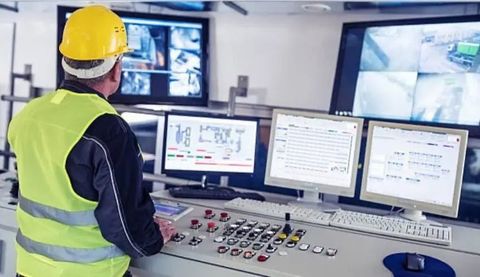
Industrial Waste Management Services: Complete Guide, Basics & Key Insights
Industrial waste management services refer to organized systems used to handle, treat, recycle, and dispose of waste generated by manufacturing plants, factories, refineries, power plants, and construction projects. These processes are designed to reduce environmental pollution, protect public health, and ensure compliance with environmental regulations.
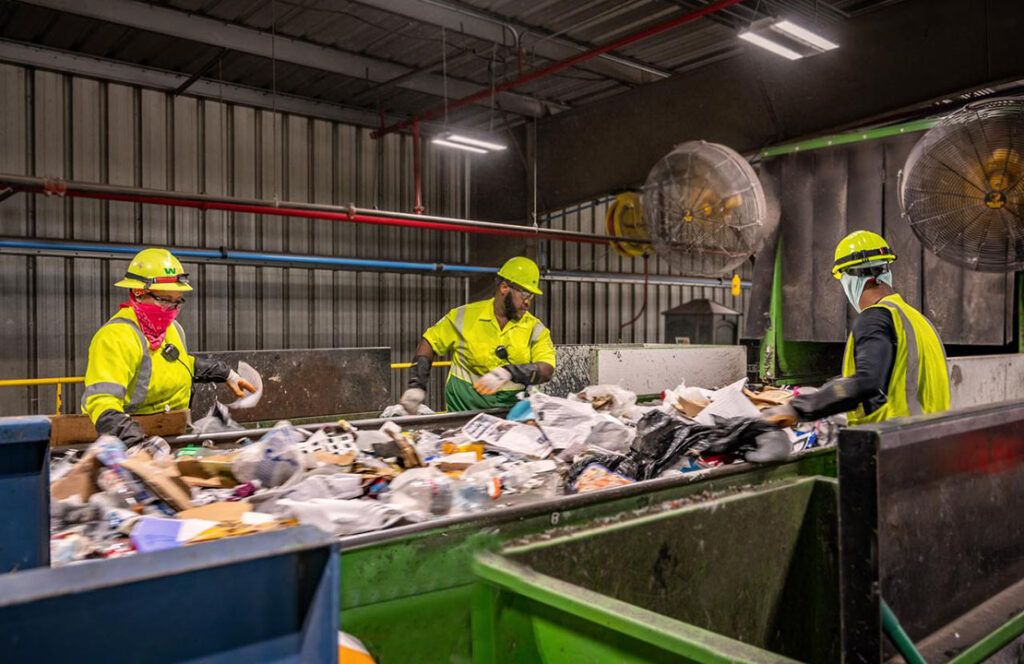
Industries produce different categories of waste, including:
-
Solid waste (scrap metal, packaging materials, sludge)
-
Liquid waste (chemical effluents, wastewater)
-
Hazardous waste (toxic chemicals, solvents, heavy metals)
-
E-waste (discarded electronic components)
Without structured waste disposal solutions, industrial waste can contaminate soil, water bodies, and air. This can lead to environmental degradation and long-term ecological damage.
The concept of organized industrial waste management emerged as industrial activity expanded globally. As manufacturing increased, governments and environmental agencies introduced environmental compliance frameworks to control pollution levels. Today, industrial recycling programs and waste treatment solutions are considered essential components of sustainable industrial operations.
Importance: Why Industrial Waste Management Matters Today
Industrial waste management services are critical in a world facing environmental challenges such as climate change, resource depletion, and water scarcity.
Environmental Protection
Proper hazardous waste disposal prevents toxins from entering ecosystems. Wastewater treatment systems reduce contamination in rivers and groundwater. Air pollution control technologies minimize harmful emissions.
Public Health and Safety
Unmanaged waste can expose workers and nearby communities to harmful chemicals. Structured waste management reduces risks of fires, explosions, and toxic exposure.
Regulatory Compliance
Environmental compliance is mandatory for most industries. Failure to follow waste management guidelines can result in penalties, legal consequences, or operational restrictions.
Resource Efficiency and Circular Economy
Modern waste treatment solutions focus on recycling and recovery. Many industries now adopt:
-
Waste-to-energy systems
-
Metal recovery from scrap
-
Industrial composting
-
Chemical neutralization and reuse
These approaches align with sustainability reporting goals and corporate environmental responsibility frameworks.
Industries that benefit directly include:
-
Chemical manufacturing
-
Pharmaceutical production
-
Oil and gas processing
-
Construction and infrastructure
-
Electronics manufacturing
In addition, local communities, environmental agencies, and supply chains are also affected by how industries manage waste.
Types of Industrial Waste and Treatment Methods
Industrial waste management services typically involve multiple stages:
Collection and Segregation
Waste is categorized based on chemical composition and hazard level.
Treatment
Different technologies are used depending on waste type:
-
Physical treatment (filtration, sedimentation)
-
Chemical treatment (neutralization, oxidation)
-
Biological treatment (activated sludge process)
-
Thermal treatment (incineration)
Recycling and Recovery
Reusable materials such as metals, plastics, and solvents are separated and processed.
Final Disposal
Landfills or secured hazardous waste containment facilities are used for non-recyclable waste.
The table below summarizes common waste types and treatment approaches:
| Waste Type | Example Sources | Common Treatment Method |
|---|---|---|
| Chemical Waste | Laboratories, refineries | Neutralization, incineration |
| Wastewater | Manufacturing plants | Biological treatment |
| Heavy Metals | Electroplating | Chemical precipitation |
| Organic Waste | Food processing | Composting, anaerobic digestion |
Recent Updates and Industry Trends
Industrial waste management has evolved significantly over the past year due to increased regulatory attention and technological innovation.
Digital Waste Tracking Systems
Many industrial facilities have adopted digital waste tracking platforms that monitor waste generation in real time. These systems improve environmental compliance and transparency.
AI and Data Analytics
Artificial intelligence tools are now being integrated into waste audit tools to optimize waste segregation and predict waste generation patterns.
Stronger Hazardous Waste Monitoring
Environmental agencies have tightened monitoring standards for hazardous waste disposal. Recent regulatory notifications issued within the past year emphasize stricter documentation and reporting requirements for industrial operators.
Carbon Reporting and Sustainability Metrics
Industries are increasingly aligning waste management practices with carbon accounting frameworks. Waste reduction targets are being integrated into sustainability reporting and ESG disclosures.
Circular Economy Partnerships
More companies are participating in industrial recycling programs that promote material reuse across supply chains. For example, industrial by-products from one facility may serve as raw materials for another.
Graph: Waste Management Hierarchy
Waste Prevention
Recycling
Treatment
Disposal
This hierarchy highlights that prevention and recycling are prioritized over disposal in modern environmental management strategies.
Laws and Policies Influencing Industrial Waste Management
Industrial waste management services are governed by environmental regulations and pollution control laws established by national and regional authorities.
Environmental Protection Acts
These laws set standards for waste handling, emissions, and contamination limits.
Hazardous Waste Rules
Specific policies define how hazardous materials must be stored, transported, labeled, and treated.
Wastewater Discharge Standards
Industries must meet prescribed water quality benchmarks before releasing treated effluents into natural water bodies.
Extended Producer Responsibility (EPR)
EPR policies require manufacturers to manage waste generated by their products after end use, especially in electronics and packaging sectors.
Environmental Impact Assessment (EIA)
Large industrial projects often require environmental assessments before approval, including waste management planning.
Compliance documentation typically includes:
-
Waste manifests
-
Environmental audit reports
-
Pollution control board certifications
-
Sustainability disclosures
Regulatory compliance ensures that industrial waste management aligns with environmental protection goals and public safety standards.
Tools and Resources for Industrial Waste Management
Several tools and digital platforms support effective waste management planning and monitoring.
Waste Audit Software
Helps industries analyze waste streams, identify inefficiencies, and track reduction targets.
Environmental Management Systems (EMS)
Frameworks such as ISO-based systems assist organizations in maintaining structured environmental compliance.
Carbon Footprint Calculators
These tools estimate emissions associated with waste treatment and disposal activities.
Material Flow Analysis Tools
Used to map resource inputs and outputs across industrial processes.
Government Environmental Portals
Regulatory bodies often provide online portals for submitting compliance reports and tracking environmental clearances.
Templates and Reporting Frameworks
-
Waste tracking spreadsheets
-
Hazard identification checklists
-
Environmental risk assessment templates
-
Sustainability reporting formats
Using these resources improves transparency and supports data-driven decision-making.
FAQs
What is the difference between industrial waste and municipal waste?
Industrial waste is generated by manufacturing and production facilities, while municipal waste comes from households and commercial establishments.
How is hazardous waste identified?
Hazardous waste is classified based on characteristics such as toxicity, flammability, reactivity, or corrosiveness, as defined by environmental regulations.
Why is waste segregation important?
Segregation ensures that recyclable materials are recovered and hazardous materials are treated safely, reducing environmental risks.
What is a waste audit?
A waste audit is a systematic review of waste generation, handling, and disposal practices within an industrial facility to improve efficiency and compliance.
Can industrial waste be reused?
Yes, many materials such as metals, solvents, and certain chemicals can be recovered and reused through industrial recycling programs.
Conclusion
Industrial waste management services play a vital role in protecting the environment, ensuring public safety, and maintaining regulatory compliance. As industries expand and environmental awareness increases, structured waste treatment solutions have become a core component of sustainable operations.
Recent developments in digital tracking, artificial intelligence, and sustainability reporting are transforming how industries manage waste. Stronger regulatory frameworks and environmental policies continue to shape operational practices.
By adopting responsible waste disposal solutions, implementing environmental management systems, and utilizing modern waste audit tools, industries can reduce ecological impact while supporting long-term sustainability goals.