Industrial Filtration: Explore Guide, Tips, Insights, Advice, and Practical Solutions
Industrial filtration refers to the process of removing solid particles, contaminants, or unwanted substances from liquids, gases, or air within industrial systems. It is widely used in sectors such as manufacturing, energy production, pharmaceuticals, food processing, chemical processing, and water treatment.
Filtration systems work by passing fluids or air through specialized materials that capture particles while allowing the clean medium to pass through. These systems may use physical barriers, membranes, or advanced media designed to trap pollutants, micro-particles, or chemical residues.
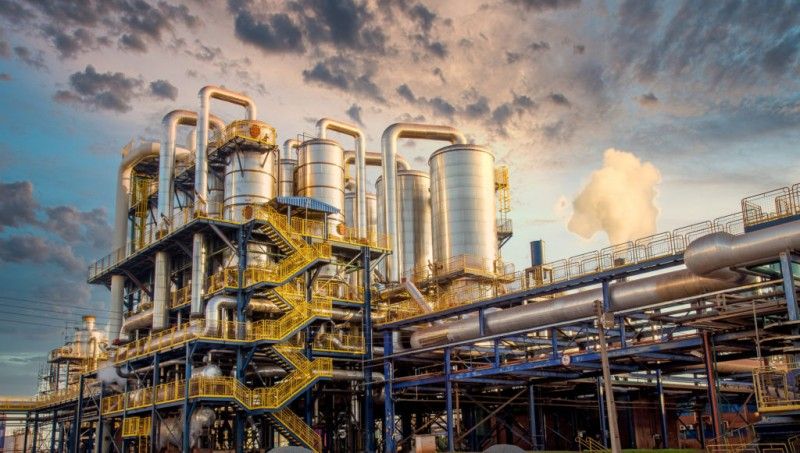
Industries rely on filtration to maintain safe operating conditions, protect equipment, ensure product quality, and reduce environmental impact. Without filtration, industrial processes could release harmful substances into the environment or allow impurities to damage machinery.
Industrial filtration technologies vary depending on the type of application. Common examples include:
-
Air filtration systems used in manufacturing facilities and power plants
-
Liquid filtration systems used in chemical processing and water treatment
-
Hydraulic filtration systems used in heavy machinery and industrial equipment
-
Membrane filtration technologies used in pharmaceuticals and food processing
These filtration solutions form a critical part of modern industrial infrastructure because they help maintain operational efficiency and environmental compliance.
Why Industrial Filtration Matters Today
Industrial filtration plays an important role in maintaining clean production environments, protecting public health, and improving environmental sustainability.
As industrial activity grows worldwide, the amount of dust, chemical residues, and wastewater produced by factories also increases. Filtration systems help control these pollutants before they reach the air, water systems, or finished products.
Several key groups are affected by industrial filtration practices:
-
Manufacturing industries that depend on clean processes and contamination control
-
Environmental regulators responsible for monitoring industrial emissions
-
Workers and surrounding communities affected by air and water quality
-
Utility providers and energy plants managing large-scale cooling and process systems
Modern filtration systems also help address several operational challenges.
Common problems solved by industrial filtration include:
-
Equipment damage caused by particle contamination
-
Air pollution from industrial emissions
-
Water contamination in manufacturing processes
-
Reduced efficiency in cooling and hydraulic systems
-
Product contamination during production
The importance of filtration has increased as industries adopt automation, advanced manufacturing, and stricter environmental standards. Clean processes help improve machine lifespan, operational reliability, and regulatory compliance.
The table below summarizes common filtration categories used across industries.
| Filtration Type | Main Application | Typical Industries |
|---|---|---|
| Air Filtration | Dust and airborne particle removal | Manufacturing, mining, power plants |
| Liquid Filtration | Removal of particles from liquids | Chemical processing, food production |
| Membrane Filtration | Separation using semi-permeable membranes | Pharmaceutical, biotechnology |
| Hydraulic Filtration | Protecting machinery fluids | Construction equipment, heavy machinery |
| Industrial Water Filtration | Treating industrial wastewater | Utilities, wastewater treatment |
Recent Updates and Trends in Industrial Filtration
Industrial filtration technology has continued evolving during 2024–2025 due to environmental concerns, technological improvements, and industrial modernization.
One notable trend is the increasing use of smart filtration monitoring systems. Sensors installed in filtration equipment allow real-time monitoring of pressure, particle levels, and filter performance. These systems help operators detect maintenance needs earlier and maintain consistent process quality.
Another major development is the growth of membrane filtration technology. Modern membranes can filter extremely small particles, including bacteria and microscopic contaminants. This technology is widely used in advanced water treatment systems and pharmaceutical production environments.
Several developments during the past year highlight these changes:
-
2024: Increased adoption of digital monitoring systems in industrial air filtration equipment.
-
2024: Expanded use of membrane filtration in industrial wastewater treatment facilities.
-
Early 2025: Growing research into sustainable filter materials designed to reduce environmental waste.
Industries are also exploring nanofiber filtration media, which uses extremely fine fibers to capture ultra-small particles while maintaining airflow efficiency.
The following chart illustrates how filtration technology priorities have shifted in recent years.
| Filtration Technology Trend | Focus Area |
|---|---|
| Smart Monitoring Systems | Data tracking and predictive maintenance |
| Membrane Filtration | High-precision separation |
| Nanofiber Filter Media | Improved particle capture |
| Sustainable Filter Materials | Environmental responsibility |
| Automated Filtration Controls | Integration with industrial automation |
These innovations aim to improve filtration performance while reducing energy consumption and maintenance requirements.
Laws, Regulations, and Environmental Policies
Industrial filtration systems are closely linked to environmental and workplace safety regulations. Governments establish rules to control industrial emissions, wastewater discharge, and airborne contaminants.
In India, several regulatory frameworks influence filtration practices.
One major regulatory authority is the Central Pollution Control Board (CPCB), which sets standards for air pollution control and industrial wastewater discharge. Industries must monitor emissions and ensure that pollutants remain within permitted limits.
Key regulations affecting industrial filtration include:
-
Air (Prevention and Control of Pollution) Act, 1981 – Regulates industrial air emissions and pollution control equipment.
-
Water (Prevention and Control of Pollution) Act, 1974 – Governs industrial wastewater discharge and treatment requirements.
-
Environment Protection Act, 1986 – Provides broad authority to regulate industrial environmental impacts.
These regulations encourage industries to implement filtration systems that capture dust, chemical particles, and contaminants before they enter the environment.
Environmental monitoring programs also require industries to maintain records of emissions and filtration performance.
Government environmental policies increasingly focus on:
-
Reducing industrial particulate matter emissions
-
Improving wastewater treatment infrastructure
-
Monitoring air quality near industrial zones
-
Encouraging cleaner manufacturing technologies
Compliance with these policies helps industries maintain environmental responsibility while supporting sustainable industrial growth.
Tools, Resources, and Digital Platforms
Several digital tools and informational resources help engineers, technicians, and researchers understand and manage filtration systems.
These tools assist with filtration design, efficiency analysis, and environmental monitoring.
Common tools used in industrial filtration management include:
• Filtration efficiency calculators used to estimate particle removal rates
• Pressure drop calculators used to measure filter performance in airflow systems
• Industrial air quality monitoring software for tracking particulate levels
• Water quality analysis tools used in industrial water treatment
• Filter media comparison databases that evaluate filtration materials
Educational and technical resources are also widely available through professional organizations and research institutions.
Useful information sources include:
-
Environmental regulatory portals providing emission standards
-
Engineering databases containing filtration research studies
-
Industrial equipment manuals and technical documentation
-
Environmental monitoring dashboards used by regulatory agencies
Digital modeling software is also used to simulate filtration performance under different industrial conditions. These tools allow engineers to predict airflow, particle capture efficiency, and filter lifespan.
Frequently Asked Questions
What is the primary purpose of industrial filtration?
The primary purpose is to remove contaminants from air, liquids, or gases used in industrial processes. This helps protect equipment, maintain product quality, and reduce environmental pollution.
Where is industrial filtration commonly used?
Industrial filtration is used in manufacturing plants, power stations, chemical processing facilities, food production environments, pharmaceutical manufacturing, and wastewater treatment systems.
What materials are used in filtration systems?
Filtration systems may use materials such as fiber filters, activated carbon, membranes, ceramic filters, metal mesh, and synthetic filtration media depending on the application.
How often do industrial filters need maintenance?
Maintenance schedules vary depending on the type of filtration system, the volume of contaminants, and operational conditions. Monitoring pressure changes and particle levels helps determine maintenance intervals.
What is membrane filtration technology?
Membrane filtration uses semi-permeable membranes that allow liquids to pass through while blocking contaminants. It is widely used in water purification, pharmaceutical processing, and biotechnology applications.
Conclusion
Industrial filtration plays a crucial role in maintaining efficient, safe, and environmentally responsible industrial operations. By removing contaminants from air, liquids, and gases, filtration systems protect machinery, maintain product quality, and help industries comply with environmental standards.
Technological progress in areas such as smart monitoring systems, nanofiber filtration media, and membrane filtration has expanded the capabilities of modern filtration systems. These innovations help industries improve operational reliability while addressing growing environmental challenges.
Government regulations and environmental policies continue to shape how filtration technologies are implemented across industries. As global awareness of pollution and sustainability increases, industrial filtration will remain an essential component of modern industrial infrastructure.