
Home Renovation Planning Guide: Basics, Tips, and Expert Advice
Home renovation planning is the structured process of preparing, organizing, and guiding improvements to a living space. It exists to help homeowners and occupants move from ideas to execution in a logical, controlled way. Rather than making changes randomly, renovation planning brings clarity to goals, scope, materials, timelines, and coordination. A clear plan reduces confusion, limits disruption, and helps people understand what will happen at each stage of a remodeling project.
At its core, home renovation planning connects design intent with practical decision-making. It balances aesthetics, function, safety, and long-term usability. This planning approach is useful for small interior updates as well as full-scale remodeling. By defining priorities early, people can make informed choices and avoid common renovation mistakes.
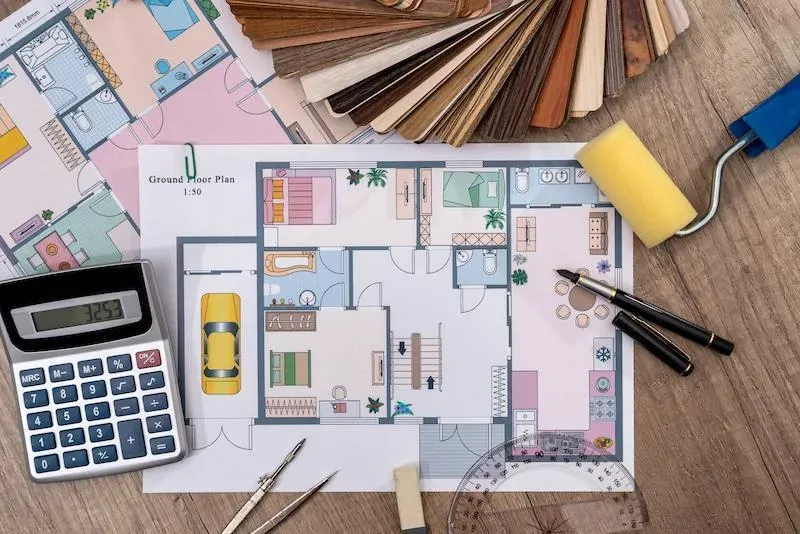
Why Home Renovation Planning Matters Today
Home renovation planning matters because homes are expected to support many roles. Living spaces now often combine work, rest, storage, and social activities. Poor planning can result in inefficient layouts, safety concerns, or frequent rework. A structured renovation guide helps households adapt spaces to changing needs without unnecessary stress.
This topic affects homeowners, tenants with renovation permissions, property managers, and families planning long-term living arrangements. It solves practical problems such as unclear workflows, mismatched materials, and unrealistic timelines. Good planning also improves coordination between design ideas and construction realities.
Key benefits include:
-
Clear renovation objectives and priorities
-
Better space utilization and functionality
-
Reduced waste of materials and effort
-
Improved safety and compliance awareness
-
More predictable renovation outcomes
When renovation planning is ignored, projects often face delays, inconsistent results, and dissatisfaction. A clear remodeling guide helps prevent these issues through preparation and documentation.Recent Updates and Emerging Trends
Over the past year, home renovation planning has increasingly focused on flexibility and efficiency. Layouts that allow rooms to serve multiple purposes have become more common. Storage optimization, natural lighting, and airflow improvements are frequently prioritized in renovation plans.
Digital planning tools have also gained attention. Visual layout planners and measurement tools are now widely used to test ideas before implementation. This reduces guesswork and improves accuracy in renovation documentation.
Another recent trend is phased renovation planning. Instead of completing all changes at once, homeowners often plan improvements in stages. This approach helps manage disruption and allows adjustments between phases based on real-world use.
Sustainability awareness has also influenced renovation planning. People increasingly consider durability, long-term maintenance, and material lifecycle when outlining renovation goals.
Rules, Standards, and Planning Considerations
Home renovation planning is influenced by building standards, safety codes, and general regulatory frameworks. These rules exist to protect occupants and ensure structural integrity. Renovation plans often need to account for electrical safety, ventilation requirements, plumbing standards, and fire prevention guidelines.
Even without focusing on location-specific rules, common planning considerations include:
-
Structural changes requiring professional review
-
Electrical and plumbing modifications following safety norms
-
Adequate ventilation and natural light access
-
Accessibility considerations for long-term usability
Understanding these requirements early helps avoid redesign and ensures that renovation outcomes align with accepted building practices.
Tools and Resources for Renovation Planning
Many tools and resources support effective home renovation planning. These tools help visualize ideas, organize information, and track progress.
Common planning tools include:
-
Floor layout planners for room design visualization
-
Measurement apps for accurate space assessment
-
Renovation checklists for task organization
-
Material comparison charts for durability insights
-
Timeline planners for renovation phases
Example Planning Table
| Planning Area | Purpose | Key Notes |
|---|---|---|
| Space Layout | Optimize room function | Focus on movement and access |
| Materials | Ensure durability | Match use with wear level |
| Lighting | Improve comfort | Balance natural and artificial light |
| Storage | Reduce clutter | Use vertical and hidden options |
Frequently Asked Questions
What is the first step in home renovation planning?
The first step is defining clear goals. This includes identifying which areas need improvement and what outcomes are expected.
How detailed should a renovation plan be?
A good plan includes layouts, materials, sequence of tasks, and contingency considerations. More detail usually leads to smoother execution.
Is renovation planning useful for small updates?
Yes. Even small changes benefit from planning because it reduces mistakes and improves coordination.
How can renovation planning reduce stress?
Planning sets expectations, clarifies decisions early, and minimizes unexpected changes during execution.
Can renovation plans change during the process?
Plans can adapt, but a strong initial framework makes adjustments more manageable and controlled.
Conclusion
Home renovation planning is a practical and essential process for improving living spaces thoughtfully. It provides structure, clarity, and direction for changes that affect daily life. By focusing on goals, understanding constraints, and using planning tools, people can approach renovation with confidence and realism.
A well-prepared renovation guide supports better outcomes, safer environments, and more functional homes. Whether updating a single room or rethinking an entire layout, careful planning remains the foundation of successful home improvement.