Explore Silk Printing Machines: Basics, Tips & Essential Details
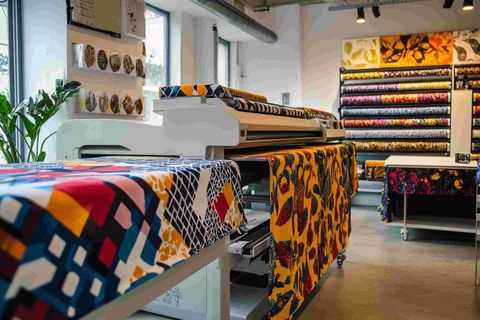
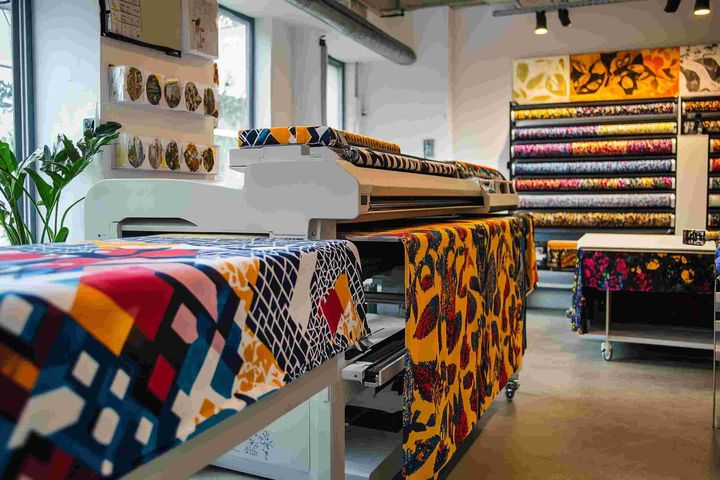
Silk printing machines are used to transfer designs, patterns, or artwork onto fabric through a mesh-based printing technique. The method originated from traditional screen printing, where artisans manually pushed ink through a stencil. Over time, this process evolved into modern silk printing, supported by mechanical and digital machinery for smoother and more precise outputs.
These machines exist to simplify fabric printing, improve consistency, and increase production capacity. The technique is widely applied in textiles, fashion, home décor materials, promotional fabrics, and industrial printing. The name “silk printing” comes from the historical use of silk mesh, although many modern machines now use synthetic mesh for durability.
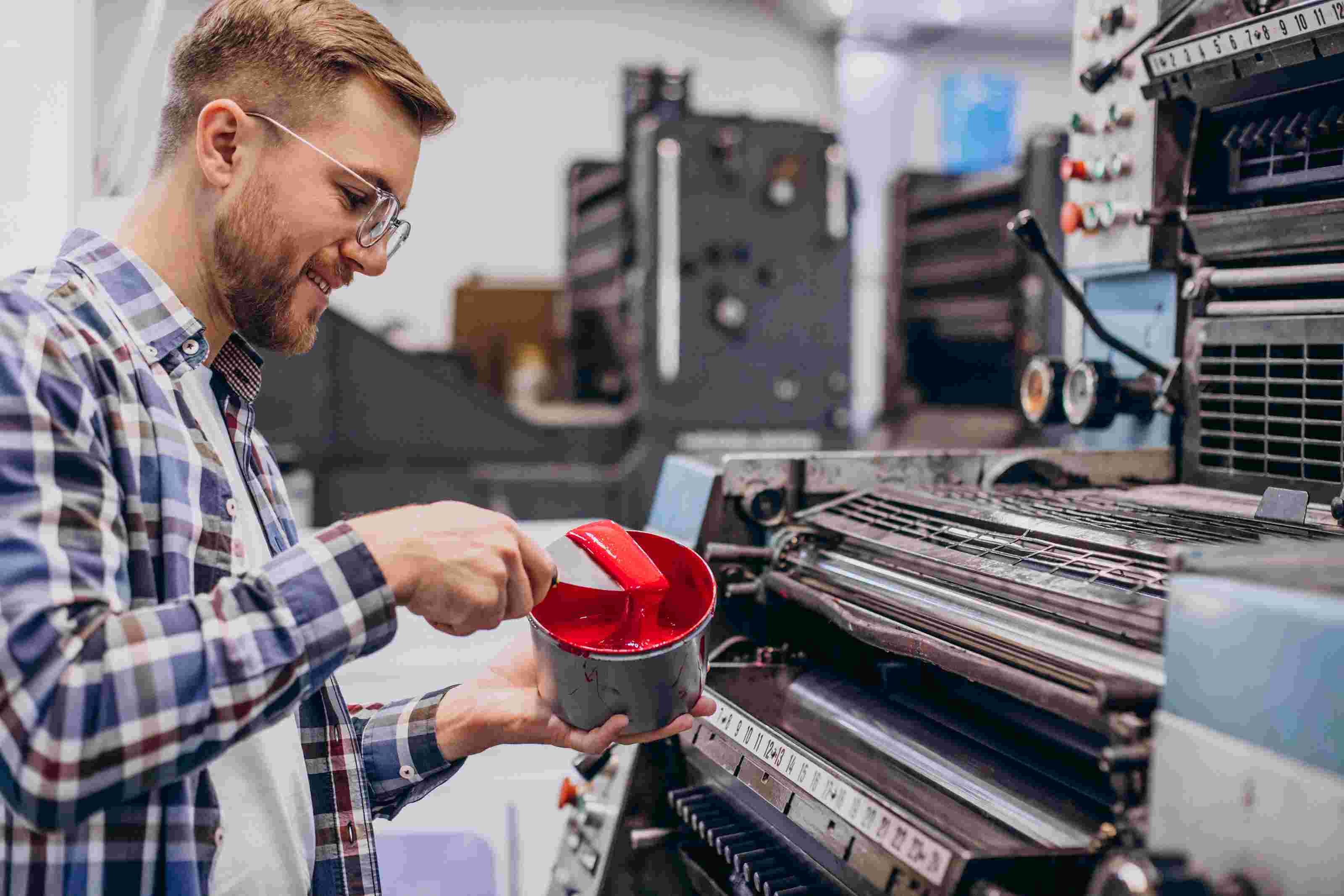
Modern silk printing machines combine mechanical frames, tension systems, squeegees, and ink-handling features to allow multi-color printing, detailed artwork reproduction, and uniform results across large volumes. The technology continues to evolve, blending traditional craftsmanship with innovations such as digital alignment, eco-friendly inks, and automated drying systems.
Importance
Silk printing remains relevant across various fields because it supports high-quality printing, long-lasting colors, and wide fabric compatibility. It matters today due to several factors:
-
Textile Industry Demand
Brands and manufacturers rely on high-quality printing for apparel, accessories, and décor. The technique helps maintain consistency in color, texture, and print life. -
Creative Flexibility
Designers and fabric creators use silk printing to experiment with patterns, cultural motifs, and artistic styles. -
Durability and Precision
Compared to certain digital methods, silk printing provides stronger ink layers, making it suitable for outdoor fabrics, uniforms, and frequently washed materials. -
Support for Small and Large Production
The method can fit small artisan studios as well as large textile units, making it accessible to diverse creators. -
Applications Beyond Fabric
The technique also extends to ceramics, paperboard, glassware, and certain industrial components.
Silk printing machines help solve problems such as inconsistent manual printing, time-consuming processes, and difficulty in achieving uniform colors across mass production.
Recent Updates
Several developments in the last year have influenced how silk printing machines are designed and used:
-
2024–2025 Shift Toward Eco-Friendly Inks
Many manufacturers and textile organizations highlighted a move toward water-based and low-VOC inks. These alternatives reduce fabric waste and environmental impact while maintaining print vibrancy. -
Automation Enhancements (2024)
Automated screen alignment, digital registration, and improved conveyor systems have become more common, reducing printing errors and increasing speed. -
Advanced Mesh Materials Introduced (2024)
New synthetic mesh materials now offer better ink flow and longer life, replacing traditional silk screens in most production environments. -
Smart Workflow Monitoring (Early 2025)
Some modern systems now integrate digital monitoring panels that help track ink flow, squeegee pressure, and drying temperature. -
Focus on Sustainable Textile Processing (2024–2025)
Industry discussions emphasized sustainable production, efficient water usage, and cleaner ink disposal systems.
These updates show how the field continues evolving to align with modern textile standards and environmental considerations.
Laws or Policies
Silk printing machines operate within broader guidelines related to textiles, chemical usage, and manufacturing standards. Regulations differ by country, but many follow similar themes:
-
Environmental Guidelines
Many regions have regulations on controlling ink waste, especially when using pigments or chemicals. Water-based inks often align well with these guidelines. -
Workplace Safety Rules
Safety standards typically cover ventilation, machine handling, and protective gear to prevent exposure to fumes or moving parts. -
Textile Labeling Requirements
Some countries require correct labeling for printed fabrics, especially when inks or dyes are involved. -
Chemical Compliance Standards
Many regions follow chemical safety frameworks that guide the use of pigments, solvents, and additives in textile printing. -
Sustainable Manufacturing Programs
Various national programs encourage reduced emissions, better waste management, and energy-efficient machine operations.
These policies influence how silk printing facilities manage operations, select inks, and maintain equipment.
Tools and Resources
Several tools and resources support silk printing work, improving accuracy, workflow, and design management.
Technical Tools
-
Mesh Count Calculators
Useful for determining appropriate mesh size for different ink densities and fabric types. -
Color Management Software
Helps designers prepare accurate color separations and maintain consistency across prints. -
Ink Mixing Tools
Digital mixing guides assist in achieving specific color shades. -
Heat and Drying Meters
Maintain proper curing temperature to improve print durability. -
Artwork Preparation Software
Commonly used tools include vector design apps, layout software, and photo-editing programs.
Educational and Reference Resources
-
Online guides covering screen preparation, stencil creation, and mesh tensioning.
-
Fabric compatibility charts for cotton, polyester, blends, and specialty fabrics.
-
Color theory reference sheets to support consistent layering.
-
Industry reports discussing textile printing trends, sustainability, and ink innovations.
Organized Table Example
Below is a simple reference table showing typical mesh counts used in silk printing:
| Mesh Count Range | Suitable Use Case | Ink Type |
|---|---|---|
| 40–80 | Thick prints, bold designs | Plastisol or heavy pigments |
| 100–160 | Standard fabric prints | Water-based inks |
| 180–230 | Detailed graphics | Fine pigments |
| 250+ | High precision and fine artwork | Specialty inks |
Such tools and references help ensure accuracy, efficiency, and quality during production.
FAQs
What materials can be printed using silk printing machines?
Silk printing machines are suitable for fabrics like cotton, silk, polyester blends, and canvas. They can also be used on surfaces such as paperboard, ceramics, and certain plastics, depending on mesh type and ink selection.
Is silk printing different from digital textile printing?
Yes. Digital printing applies ink directly using printheads, while silk printing pushes ink through a mesh stencil. Silk printing offers stronger ink layers and durability, while digital printing supports unlimited colors and faster artwork changes.
What type of inks work best for silk printing?
Water-based and pigment inks are commonly used due to their texture, durability, and compatibility with various fabrics. Some textile sectors also use specialty inks for effects like matte, gloss, or reflective finishes.
How long does the print last on fabric?
When cured properly, silk-printed designs maintain color and durability through repeated washing. Longevity depends on ink type, curing method, and fabric quality.
Why is mesh tension important?
Proper mesh tension ensures smooth ink flow and accurate design reproduction. Low tension can cause blurred edges, uneven ink layers, or print distortion.
Conclusion
Silk printing machines remain a valuable part of textile and creative industries because they provide consistent, durable, and visually strong prints. They combine the traditional craft of screen printing with modern technology, offering a balance of precision and reliability. Recent updates have pushed the field toward sustainability, better automation, and improved material compatibility. With the right tools, mesh selection, ink choice, and safety practices, silk printing continues to support designers, producers, and innovators across many sectors.
This educational overview helps clarify how the machines work, why the method remains relevant, and what resources support better-quality printing in today’s evolving textile environment.