Guide to Modern Farmer Equipment: Knowledge & Resources
Understanding Modern Farmer Equipment Modern farmer equipment refers to advanced tools and machinery designed to make agricultural tasks faster, more efficient, and more sustainable. From tractors and harvesters to irrigation systems and drones, these technologies support farmers in planting, growing, and managing crops with greater precision.
The concept of modern farming equipment emerged to address challenges such as labor shortages, soil degradation, and the growing global food demand. Over the past few decades, farming has evolved from traditional manual labor to data-driven agriculture that uses sensors, GPS, and automation to maximize productivity.

Today, with climate change, unpredictable weather, and resource constraints, modern farmer equipment plays a key role in ensuring food security while reducing environmental impact.
Why Modern Equipment Matters in Agriculture
Modern farming equipment is transforming agriculture by saving time, improving yield quality, and reducing manual effort. Its importance extends beyond productivity—it also helps farmers adapt to sustainability goals and digital transformation.
Key benefits include:
-
Precision and accuracy: Machines like GPS-enabled tractors and drones ensure accurate planting and spraying.
-
Efficiency in large-scale farming: Advanced harvesters and seeders allow farmers to manage vast areas effectively.
-
Resource management: Smart irrigation systems optimize water use, while soil sensors analyze nutrient needs.
-
Reduced human error: Automated systems minimize mistakes in application rates and timing.
-
Environmental sustainability: Modern tools support eco-friendly practices by reducing waste and emissions.
This advancement affects not only farmers but also the broader agricultural ecosystem—manufacturers, suppliers, and policymakers. In developing countries like India, smart farming technologies are increasingly bridging the gap between small-scale and large-scale farming operations.
Trends and Updates in 2025
The past few years have seen remarkable innovation in agricultural equipment. In 2024 and 2025, several trends reshaped the farming landscape globally:
| Trend | Description | Impact on Farmers |
|---|---|---|
| AI & IoT Integration | Artificial Intelligence and Internet of Things (IoT) enable smart sensors to collect real-time data on soil, crops, and weather. | Helps farmers make informed decisions and predict yield outcomes. |
| Autonomous Machinery | Driverless tractors and robotic harvesters are becoming more common, reducing dependency on manual labor. | Boosts productivity and minimizes human fatigue. |
| Sustainable Practices | Equipment is being designed to reduce fuel usage and greenhouse gas emissions. | Encourages eco-friendly farming and compliance with sustainability policies. |
| Data-Driven Agriculture | Cloud-based platforms analyze farm data for better planning and forecasting. | Improves efficiency and profitability. |
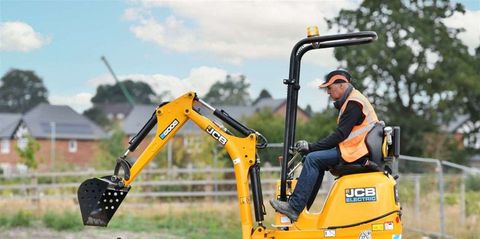
| Electric & Hybrid Machines | A shift from diesel to electric tractors and equipment is underway. | Lowers operational costs and carbon footprint. |
In 2025, more farmers are adopting drones for crop surveillance and AI-based soil analysis. Global agricultural technology investments have increased by over 15% since 2023, showing strong momentum toward digital and smart farming.
Policies and Government Programs
Agricultural equipment policies differ across countries but share a common goal—to promote modernization and sustainable farming practices.
In India, the government has introduced multiple initiatives to support farmers adopting modern equipment:
-
Sub-Mission on Agricultural Mechanization (SMAM): Provides subsidies for the purchase of tractors, harvesters, and small machinery to make mechanization accessible to small and marginal farmers.
-
Digital Agriculture Mission 2021–2026: Focuses on integrating data and technology into farming operations.
-
PM-KUSUM Scheme: Encourages the use of solar-powered irrigation pumps, reducing dependency on conventional energy.
-
Custom Hiring Centers (CHCs): Allow farmers to rent modern machines, ensuring equitable access to advanced tools.
Globally, programs like the EU’s Common Agricultural Policy (CAP) and the USDA’s Farm Service Agency (FSA) offer support for technology adoption and sustainable machinery.
Environmental policies are also influencing design and usage standards, encouraging manufacturers to produce energy-efficient, low-emission farming machines.
Tools and Resources for Modern Farming
Modern agriculture benefits from a wide range of digital tools and online resources that assist farmers in planning, monitoring, and optimizing operations.
Useful Tools and Apps
| Category | Tool Name | Purpose |
|---|---|---|
| Farm Management | AgriWebb, FarmLogs, Cropio | Track farm data, manage inventory, and analyze yield performance. |
| Soil & Weather Monitoring | Arable Mark 3, Climate FieldView, OneSoil | Monitor soil health and get weather insights for better decision-making. |
| Irrigation Control | HydroPoint, NetBeat by Netafim | Automate irrigation and conserve water. |
| Crop Analysis | DroneDeploy, Taranis, Pix4Dfields | Provide aerial imaging for detecting crop diseases or nutrient deficiencies. |
| Machinery Analytics | John Deere Operations Center, Trimble Ag Software | Monitor machinery performance and maintenance schedules. |
Educational and Government Resources
-
FAO (Food and Agriculture Organization) – Offers reports on agricultural innovation and equipment trends.
-
Krishi Vigyan Kendras (KVKs) – Provide training on farm mechanization across India.
-
National Agricultural Market (eNAM) – An online platform connecting farmers with markets and resources.
-
AgriStack Initiative – A digital ecosystem for integrating farm data and services.
These resources empower farmers to improve productivity, sustainability, and profitability using reliable knowledge and data-driven insights.
Frequently Asked Questions
1. What is considered modern farming equipment?
Modern farming equipment includes advanced machinery such as tractors with GPS systems, drones, robotic harvesters, smart irrigation systems, and AI-based soil sensors designed to improve agricultural productivity.
2. How does modern equipment help small farmers?
Small farmers benefit through higher efficiency, reduced labor requirements, and improved yields. Government schemes and equipment rental programs make technology more affordable and accessible.
3. What are the main challenges in adopting modern agricultural equipment?
The key challenges include high initial investment, lack of technical knowledge, and limited infrastructure for maintenance and training. However, digital literacy programs are helping overcome these barriers.
4. Are electric tractors becoming popular in 2025?
Yes. With growing environmental awareness, electric tractors are gaining popularity due to lower emissions, reduced fuel dependency, and government incentives for sustainable technology.
5. Which technologies are shaping the future of farming?
AI-based analytics, autonomous vehicles, drone monitoring, and IoT-enabled sensors are leading innovations in precision agriculture, transforming the way crops are cultivated and managed.
Conclusion
Modern farmer equipment represents the future of sustainable agriculture, bridging the gap between traditional practices and digital innovation. As climate change, population growth, and food security challenges intensify, technology-driven solutions are essential for efficient farming.
Farmers worldwide are adopting smarter, cleaner, and more connected tools that enhance productivity while preserving natural resources. With supportive policies, accessible digital platforms, and ongoing innovation, the next decade of agriculture promises to be more resilient, data-driven, and environmentally responsible.