Guide To Best Helium Leak Detectors for Industrial Use in 2025
Helium leak detectors play a crucial role in industrial environments where accurate leak identification is necessary to maintain system reliability and product quality. The practice of using helium for leak detection exists because helium is chemically inert, has small atomic size, and diffuses rapidly, making it ideal for identifying extremely small leaks.
Industries such as semiconductor manufacturing, HVAC systems, aerospace components, pharmaceutical packaging, automotive assemblies, and vacuum-based processes rely on helium leak detection to meet strict performance and safety standards.
As industrial systems become more complex and precision-sensitive, the need for reliable detection methods continues to grow. In 2025, attention remains focused on improving measurement accuracy, optimizing testing methods, and reducing helium consumption—topics frequently referenced in technical research and industrial engineering discussions.

Why Helium Leak Detection Matters
Accurate leak detection directly impacts operational performance across multiple sectors. The importance of this topic has increased due to tighter quality expectations, sustainability initiatives, and the expansion of high-precision technologies.
Helium leak detectors matter for several reasons:
Ensuring Safety and System Integrity
Industries handling gases, pressurized systems, or vacuum chambers must prevent leaks that could lead to equipment malfunction, contamination, or safety risks. Helium-based detection supports early identification of critical failure points.
Supporting High-Precision Manufacturing
Products such as microchips, medical devices, refrigeration units, and aerospace components require airtight sealing. Even microscopic leaks can affect reliability. Industrial helium detection techniques enable:
-
Controlled leak rate measurement
-
Improved product qualification
-
Enhanced process validation
Minimizing Environmental Impact
Leak identification helps reduce the release of industrial gases and supports sustainability targets related to energy efficiency and resource conservation.
Reducing Maintenance Downtime
Detecting leaks during routine inspections prevents unexpected system failures. Many engineering teams integrate helium detection into predictive maintenance routines to maintain operational stability.
Recent Updates and Industry Trends in 2024–2025
The past year has brought several technical updates, technological improvements, and industry shifts affecting helium leak detection practices.
Increased Adoption of Smart Leak Detection Systems (2024–2025)
Manufacturers have integrated advanced signal-processing algorithms and digital interfaces into modern helium leak detectors. Remote monitoring, data logging, and automated reporting have become more widely used in industrial plants.
Rising Focus on Helium Conservation
Between 2024 and early 2025, engineering organizations emphasized helium recovery and recirculation systems due to global supply concerns and the desire to reduce helium consumption. Many new systems now include:
-
Closed-loop helium recycling
-
Reduced helium flow modes
-
Hybrid tracer gas options
Growing Use of Mass Spectrometry Leak Detectors
Over the past year, mass spectrometer–based helium leak detectors gained popularity for their high sensitivity. These devices are used heavily in semiconductor fabrication and vacuum system production, expanding throughout 2024 and early 2025.
Regulatory Updates Related to Pressure Systems
In mid-2024, several countries updated industrial safety standards related to vacuum chambers, refrigeration units, and pressurized equipment. While updates vary by region, many guidelines now stress:
-
Higher accuracy in leak measurement
-
Mandatory documentation
-
Periodic testing requirements
Regulations and Industrial Policies Affecting Leak Detection
Helium leak detection practices intersect with multiple safety, environmental, and quality regulations. While requirements differ by region, the following principles remain common in 2025.
Pressure Equipment and Mechanical Integrity Standards
Most countries enforce rules for pressure vessels, pipelines, and sealed systems. These regulations generally involve:
-
Mandatory leak testing before commissioning
-
Periodic requalification
-
Use of standardized measurement techniques
Environmental Compliance Programs
Regulatory frameworks encouraging lower emissions impact industries using refrigeration, HVAC equipment, and industrial gases. Helium leak detection assists compliance by ensuring components are properly sealed.
Manufacturing Quality Certifications
Many industrial sectors follow ISO-based quality frameworks. Common standards relevant to helium leak detection include:
-
ISO 14644 for cleanroom environments
-
ISO 20485 for nondestructive testing terminology
-
ISO 9001 for quality assurance documentation
These standards influence testing procedures, reporting formats, and equipment calibration expectations.
Workplace Safety Rules
Occupational safety agencies require detection of leaks that may cause equipment hazards or contamination. Guidelines emphasize:
-
Proper tracer gas handling
-
Operator training
-
Documentation of measurement results
Useful Tools and Resources for Helium Leak Detection
Engineering teams rely on a combination of hardware, software, digital tools, and technical references to support detection, calibration, and maintenance.
Commonly Used Industrial Tools
-
Mass spectrometers for detecting extremely small leak rates
-
Vacuum pumps for preparing sealed systems
-
Tracer gas manifolds to introduce controlled helium levels
-
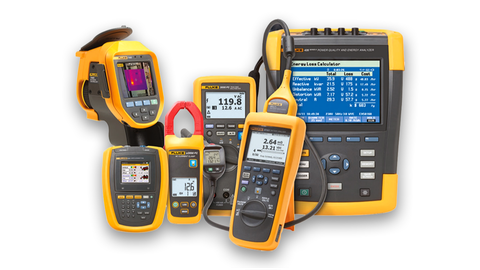
Digital measurement displays with real-time analytics
-
Data logging tools for documentation and quality compliance
Helpful Online Resources
-
Engineering handbooks on vacuum systems
-
Industrial leak rate calculators
-
Helium tracer gas diffusion charts
-
Gas property databases
-
Technical papers on high-precision measurement
Example Table: Comparison of Common Helium Detection Methods
| Method Type | Sensitivity Level | Typical Applications | Advantages |
|---|---|---|---|
| Mass Spectrometer | Very High | Semiconductor, aerospace, vacuum systems | Extremely precise, suitable for micro-leak detection |
| Sniffer Probe | Medium | HVAC, refrigeration, automotive | Portable, useful for field inspections |
| Vacuum Chamber Method | High | Industrial assemblies, sealed electronics | Reliable for controlled testing |
| Pressure Decay Test with Helium | Medium | Pipelines, pressure vessels | Simple and widely used |
Example Graph (Conceptual)
Helium Leak Detection Sensitivity Levels in 2025 (Higher = More Sensitive)
(Graph is text-based for universal compatibility.)
Frequently Asked Questions
What makes helium an effective tracer gas?
Helium is non-reactive, non-toxic, and has very small atomic size, allowing it to pass through extremely small openings. It does not interfere with industrial materials and provides highly accurate leak detection.
Which industries depend most on helium leak detection?
Common industries include semiconductor fabrication, aerospace engineering, refrigeration systems, automotive manufacturing, pharmaceutical packaging, and vacuum-based processes.
How accurate are modern helium leak detectors?
Many advanced detectors, especially mass spectrometer–based systems, can identify leak rates as small as 10⁻¹² mbar·L/s. The accuracy varies depending on the method, equipment, and testing environment.
Is helium leak detection environmentally friendly?
Helium itself is non-toxic and does not harm the environment. Modern systems also incorporate helium recycling features to reduce consumption and support sustainability objectives.
Are helium leak detectors difficult to operate?
Most modern systems include digital interfaces, guided instructions, and automated calibration functions. However, operator training is still recommended to ensure correct setup, measurement consistency, and safe gas handling.
Conclusion
Helium leak detectors remain essential tools for industrial environments that require precise and reliable leak identification. In 2025, improvements in sensitivity, data integration, and helium conservation continue to shape the field. Industrial teams benefit from clearer quality standards, better digital reporting tools, and expanded access to technical resources.
As manufacturing systems grow more advanced, accurate leak detection becomes increasingly important for safety, efficiency, performance, and environmental responsibility. Whether used in high-precision vacuum systems, refrigeration equipment, or advanced manufacturing applications, helium leak detection techniques continue to support modern industrial reliability.