Flexographic Printing Machines Overview: Discover Facts, Tips and Helpful Information
Flexographic printing machines are widely used in modern industrial printing for packaging, labels, and flexible materials. This printing method is valued for its ability to print on a wide range of surfaces such as plastic films, paper, cardboard, and foil. The technology is commonly associated with large-scale packaging production where speed, efficiency, and consistent print quality are important.
This overview explains how flexographic printing machines work, why they are important in the packaging ecosystem, how the technology is evolving, and which tools and resources help professionals understand or analyze this printing method. The information below is intended as a neutral educational guide for readers exploring industrial printing technologies.
Understanding Flexographic Printing Machines
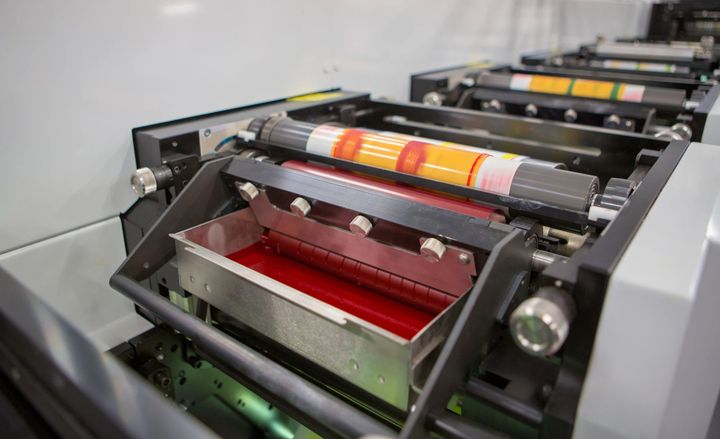
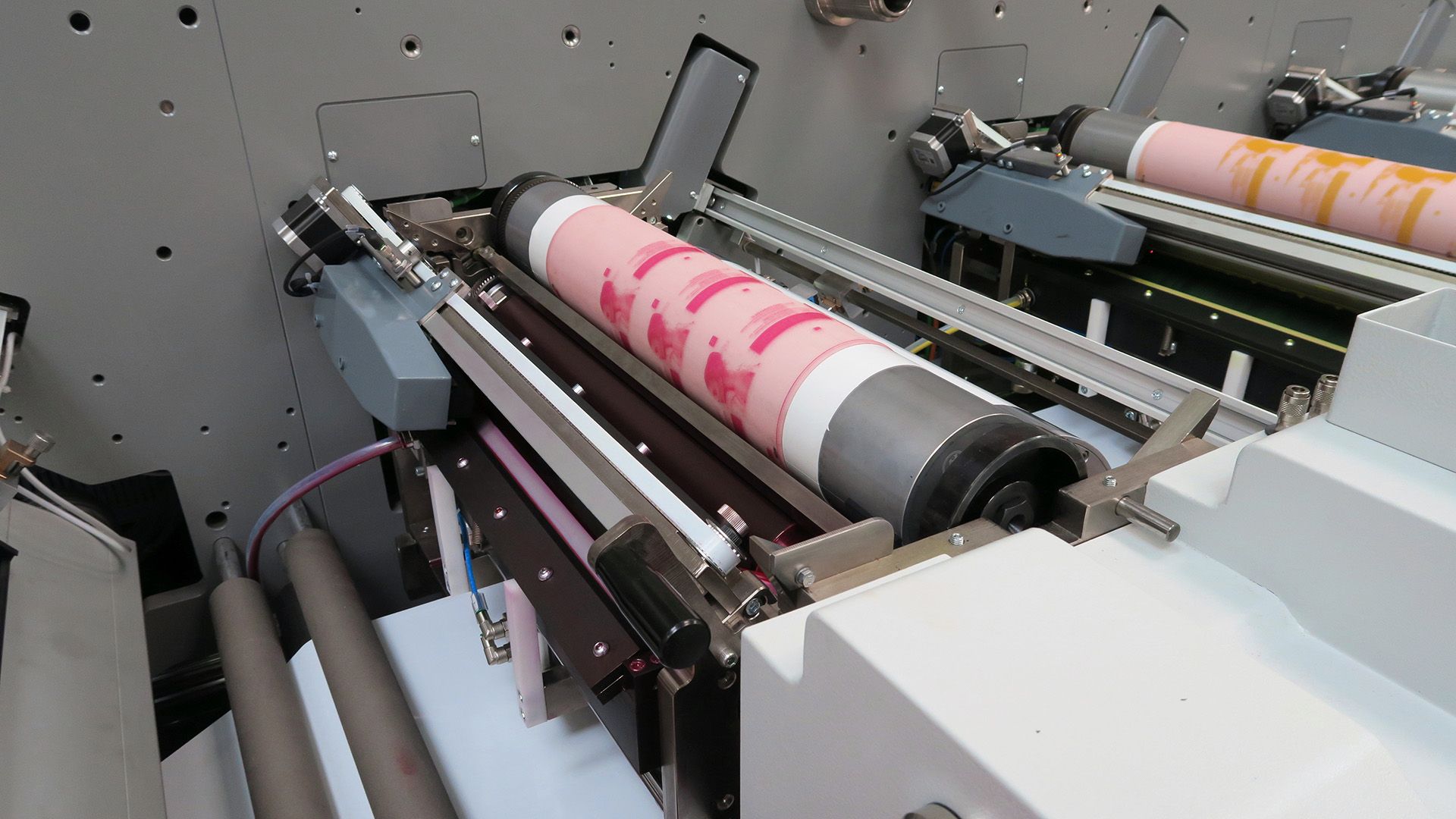
Flexographic printing is a rotary printing technique that uses flexible relief plates mounted on rotating cylinders. These plates transfer ink onto different materials as the substrate moves through the machine.
The system operates using quick-drying inks and a series of rollers that control ink transfer. Because of its flexibility, this printing method can be used on both absorbent and non-absorbent materials.
Key characteristics of flexographic printing machines include:
-
High-speed continuous printing
-
Compatibility with various substrates
-
Use of flexible photopolymer plates
-
Efficient ink transfer using anilox rollers
-
Capability for multi-color printing
The printing process generally follows several steps. Ink is transferred from an ink reservoir to an anilox roller, which controls the amount of ink applied. The ink then moves to the printing plate mounted on a plate cylinder. As the substrate passes between the plate cylinder and impression cylinder, the image is transferred onto the material.
The simplified workflow below illustrates the typical process.
| Stage | Process Description |
|---|---|
| Ink Metering | Ink quantity regulated through anilox roller |
| Plate Transfer | Ink moves to flexible printing plate |
| Impression Stage | Plate presses image onto substrate |
| Drying | Ink dries quickly through air or heat |
| Rewinding | Printed material is collected for finishing |
This efficient rotary system allows continuous printing across long production runs, which is why it is widely used in packaging and labeling industries.
Why Flexographic Printing Machines Matter
Flexographic printing technology plays a critical role in the global packaging and labeling ecosystem. As consumer products move through supply chains, packaging often requires clear branding, product information, and regulatory labeling. Flexographic machines make it possible to print these elements efficiently.
Industries that frequently rely on this technology include:
-
Food and beverage packaging
-
Pharmaceutical labeling
-
Retail product packaging
-
Flexible packaging materials
-
Corrugated box printing
-
Adhesive labels and stickers
One of the major reasons flexographic printing remains important is its ability to print on diverse materials. Flexible packaging films, paper wrappers, laminated materials, and cardboard surfaces can all be printed using the same fundamental process.
Another important factor is speed. Flexographic presses can operate at very high production speeds compared with many other printing methods. This makes them suitable for large-volume packaging applications.
The table below compares flexographic printing with other common industrial printing technologies.
| Printing Method | Typical Use Case | Material Compatibility | Production Speed |
|---|---|---|---|
| Flexographic Printing | Packaging and labels | Very wide range | Very high |
| Offset Printing | Books and magazines | Mostly paper | High |
| Gravure Printing | High-end packaging | Film and paper | Very high |
| Digital Printing | Short runs and personalization | Limited substrates | Medium |
Because packaging continues to expand alongside global manufacturing and retail industries, flexographic printing remains an important technology for high-volume printed materials.
Recent Developments and Industry Trends
Flexographic printing machines continue to evolve through improvements in automation, sustainability, and digital integration. Over the past year, several developments have attracted attention across printing technology discussions and industry exhibitions.
One key trend involves automated press control systems. Modern flexographic presses increasingly include sensors and monitoring software that help maintain consistent ink density, alignment, and registration. These systems reduce manual adjustments and help improve production efficiency.
Another major development involves environmentally focused ink technologies. Water-based inks and low-solvent formulations have gained more attention as manufacturers explore methods to reduce emissions and improve sustainability in packaging printing.
Digital prepress workflows have also expanded. Advanced plate imaging systems allow printing plates to be created with high precision, which can improve image quality and reduce setup time.
Industry events and technology showcases in recent months have highlighted several areas of innovation:
-
Automated color management systems
-
AI-assisted press monitoring
-
Improved anilox roller engraving technologies
-
Hybrid printing systems combining digital and flexographic units
-
Smart sensors for predictive maintenance
These developments show how traditional printing technologies continue to integrate modern digital tools.
Regulations, Standards, and Policy Considerations
Industrial printing technologies often operate within broader regulatory frameworks related to environmental protection, worker safety, and packaging standards. Flexographic printing machines are influenced by several types of regulations and industry standards.
One important area relates to chemical and ink safety. Printing inks and solvents may be subject to safety standards governing their handling, storage, and emissions. Environmental guidelines often encourage reduced solvent usage and improved waste management practices.
Another area concerns packaging labeling standards. Products such as food, medicines, and consumer goods typically require clear printed information, including ingredients, batch numbers, and safety instructions. Printing technologies like flexographic presses play a role in ensuring that packaging can display this information accurately and consistently.
Manufacturing facilities that operate printing equipment may also follow industrial safety guidelines that address machine operation, ventilation systems, and worker protection.
Common regulatory focus areas include:
-
Ink and solvent handling guidelines
-
Environmental emission limits
-
Packaging labeling compliance
-
Industrial machinery safety standards
-
Waste management practices
These policies influence how printing equipment is operated and maintained in production environments.
Tools and Helpful Resources for Learning About Flexographic Printing
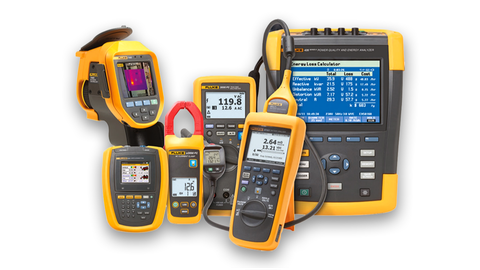
Understanding flexographic printing machines often involves specialized tools and digital resources. Engineers, students, and industry professionals frequently use these resources to analyze printing processes, measure performance, or study printing technology.
Helpful tools and learning resources include:
-
Print quality analyzers used to examine dot gain, color density, and registration accuracy
-
Ink viscosity measurement tools used to maintain consistent ink performance
-
Anilox volume calculators used to estimate ink transfer efficiency
-
Plate imaging software used in the prepress process
-
Press monitoring dashboards used to track machine performance
Educational websites, technical publications, and printing technology forums also provide valuable insights. These resources often include research papers, technical diagrams, and workflow explanations that help readers understand printing equipment.
The following table shows examples of commonly referenced tools in flexographic workflows.
| Tool Type | Purpose |
|---|---|
| Ink Viscosity Meter | Measures ink thickness and flow behavior |
| Densitometer | Evaluates ink density and color accuracy |
| Plate Imaging Software | Prepares printing plates for production |
| Press Monitoring Software | Tracks press performance and quality |
| Anilox Calculator | Helps estimate ink transfer volume |
These tools support consistent printing results and help professionals analyze machine performance.
Frequently Asked Questions About Flexographic Printing Machines
What is a flexographic printing machine used for?
A flexographic printing machine is primarily used to print packaging materials, labels, flexible films, paper products, and corrugated boxes. The technology supports high-speed printing on many types of surfaces.
How does flexographic printing differ from digital printing?
Flexographic printing uses physical printing plates and rotary cylinders, while digital printing transfers images directly from digital files without plates. Flexographic printing is typically used for large production volumes.
What types of inks are commonly used in flexographic printing?
Flexographic printing often uses water-based inks, solvent-based inks, or UV-curable inks depending on the substrate and application.
Why are anilox rollers important in flexographic printing?
Anilox rollers control the amount of ink transferred to the printing plate. Their engraved cells determine how much ink is delivered during the printing process.
Which industries rely heavily on flexographic printing technology?
Industries such as food packaging, consumer goods packaging, pharmaceuticals, retail labeling, and logistics packaging frequently use flexographic printing for product labeling and packaging.
Conclusion
Flexographic printing machines represent an important technology in modern industrial printing. Their ability to print at high speeds on diverse materials makes them especially valuable in packaging and labeling applications.
The technology operates through a rotary system that uses flexible printing plates, controlled ink transfer, and fast-drying inks. Over time, improvements in automation, digital plate imaging, and environmentally focused ink formulations have expanded the capabilities of flexographic presses.