Explore Voice-Controlled Devices
Voice-controlled devices are electronic systems that respond to spoken commands. They use artificial intelligence (AI voice assistant technology), natural language processing, and cloud computing infrastructure to interpret and execute user instructions.
These devices exist because technology developers sought to simplify human–computer interaction. Instead of typing or pressing buttons, users can speak naturally to control smart home technology, search for information, manage IoT devices, or access digital services.
Voice recognition systems rely on machine learning algorithms trained on large datasets. When a person speaks, the device records the audio, processes it through speech-to-text software, and analyzes the meaning before providing a response. Over time, these systems improve through data modeling and AI optimization techniques.
Common examples include:
-
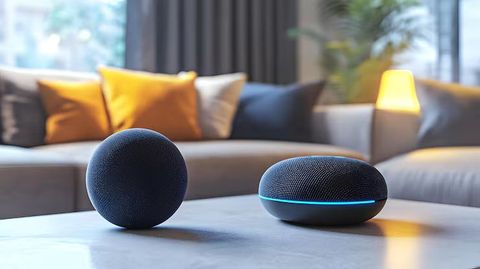
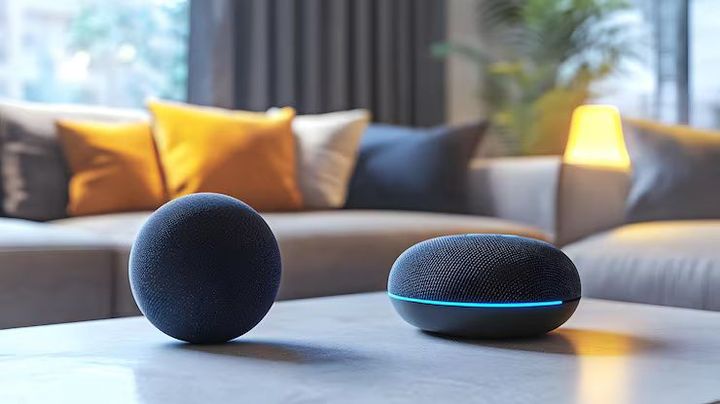
Smart speakers
-
Voice-enabled smartphones
-
Connected televisions
-
Automotive voice navigation systems
-
Enterprise collaboration tools
The growth of digital transformation initiatives worldwide has expanded the role of voice interfaces in homes, offices, healthcare facilities, and industrial environments.
Why Voice-Controlled Technology Matters Today
Voice-controlled devices play a growing role in modern digital ecosystems. Their importance is linked to convenience, accessibility, automation, and enterprise productivity.
Accessibility and Inclusion
Voice interfaces assist individuals with visual impairments or mobility limitations. By reducing reliance on touchscreens or keyboards, AI-driven speech systems enhance accessibility compliance across industries.
Smart Home Automation
In residential settings, smart home technology integrates lighting, thermostats, security cameras, and energy management systems. Voice commands streamline operations and contribute to energy efficiency optimization.
Below is a simplified comparison of common voice-controlled device categories:
| Device Category | Primary Use Case | Key Technology Component |
|---|---|---|
| Smart Speakers | Home automation & queries | Cloud computing + NLP |
| Smartphones | Personal productivity | AI voice assistant integration |
| Smart TVs | Media navigation | Speech recognition algorithms |
| Automotive Systems | Navigation & safety controls | Embedded AI + edge computing |
| Enterprise Devices | Workflow automation | Secure cloud infrastructure |
Enterprise and Business Integration
Organizations increasingly integrate voice-enabled systems into enterprise software platforms. This improves workflow efficiency and reduces manual data entry. Voice-enabled CRM software and cloud-based analytics tools are expanding in sectors such as healthcare, finance, and logistics.
Cybersecurity and Data Protection Concerns
As voice data travels through cloud computing security frameworks, concerns about cybersecurity solutions and encryption standards have increased. Businesses and consumers now evaluate data privacy compliance before deploying smart devices.
Recent Updates and Industry Trends in 2025
The past year has brought notable developments in AI voice assistant technology and IoT integration.
AI Model Enhancements (2025)
In early 2025, major technology companies announced improvements in large language models embedded into voice systems. These updates enhanced contextual understanding, multilingual support, and real-time processing through edge computing solutions.
Edge computing reduces latency by processing voice data closer to the device instead of relying entirely on cloud servers. This shift improves response speed and enhances cloud security compliance.
Increased Focus on Data Privacy Regulations
Throughout 2024 and early 2025, regulators in the European Union and parts of Asia strengthened enforcement of digital privacy frameworks. Companies updated voice recognition platforms to align with stricter consent and transparency requirements.
Integration with Generative AI
Voice-controlled devices now integrate generative AI capabilities. Instead of simple command execution, they can:
-
Summarize documents
-
Draft emails
-
Analyze financial data
-
Provide educational explanations
This expansion increases their relevance in enterprise AI deployment strategies.
Market Growth Trends
Industry analysts reported steady growth in the global smart speaker and IoT devices market through 2024. Growth has been driven by smart home adoption, digital banking integration, and AI-powered customer interaction tools.
Laws and Policies Affecting Voice-Controlled Devices
Voice-controlled technology is influenced by data protection regulations, cybersecurity standards, and consumer protection policies.
Data Privacy Regulations
Many countries enforce strict data protection laws governing how voice recordings are stored and processed. Examples include:
-
General Data Protection Regulation (GDPR) in the European Union
-
California Consumer Privacy Act (CCPA) in the United States
-
Digital Personal Data Protection Act (DPDP Act 2023) in India
These frameworks require companies to:
-
Provide clear data usage disclosures
-
Obtain user consent
-
Implement encryption and cybersecurity safeguards
-
Allow data deletion requests
Cybersecurity Compliance
Governments increasingly mandate cybersecurity risk management for connected devices. Manufacturers must adopt secure firmware updates, vulnerability assessments, and penetration testing to meet regulatory requirements.
Accessibility Standards
Voice technology also aligns with digital accessibility guidelines. Public institutions often follow accessibility compliance frameworks to ensure technology supports diverse populations.
Failure to comply with these regulations can result in financial penalties and operational restrictions, making regulatory awareness essential for technology developers and enterprise IT managers.
Tools and Resources for Voice-Controlled Technology
Several platforms and digital tools support the development and use of voice-controlled devices.
AI and Development Platforms
-
Natural Language Processing (NLP) frameworks
-
Cloud computing infrastructure providers
-
Machine learning model training platforms
-
Speech-to-text API development kits
Privacy and Cybersecurity Resources
-
Data encryption management tools
-
Cybersecurity risk assessment software
-
Compliance audit templates
-
Cloud security monitoring dashboards
Smart Home Integration Tools
-
IoT device management applications
-
Energy consumption analytics dashboards
-
Network security routers with firewall controls
Below is a simplified workflow diagram showing how voice processing typically functions:
User Voice Input
       ↓
Speech Recognition Engine
       ↓
Natural Language Processing
       ↓
Cloud or Edge Processing
       ↓
Command Execution
       ↓
Response Output
This structured approach ensures voice commands are analyzed efficiently and securely.
Frequently Asked Questions
What are voice-controlled devices used for?
Voice-controlled devices are used for smart home automation, information retrieval, digital communication, navigation systems, and enterprise workflow automation. They simplify interaction with connected technologies.
Are voice-controlled devices secure?
Security depends on encryption standards, cloud computing security measures, and user privacy settings. Devices that comply with cybersecurity regulations and data privacy compliance frameworks generally provide stronger protection.
Do voice assistants store conversations?
Many systems temporarily store recordings to improve machine learning algorithms. Data retention policies vary by provider and region, and users can typically manage privacy settings.
How do voice assistants understand different languages?
AI voice assistants rely on multilingual natural language processing models trained on diverse datasets. Advances in machine learning have improved accent recognition and contextual interpretation.
Can voice technology work without internet access?
Some devices support limited offline processing through edge computing. However, advanced features often require cloud-based AI infrastructure.
Conclusion
Voice-controlled devices represent a significant shift in human–computer interaction. Powered by artificial intelligence, machine learning algorithms, and cloud computing infrastructure, they enable intuitive communication with digital systems.
Their growing adoption reflects broader trends in smart home technology, enterprise automation, cybersecurity solutions, and digital transformation. At the same time, evolving data privacy regulations and compliance requirements shape how these technologies are developed and deployed.
Recent advancements in generative AI integration and edge computing optimization suggest that voice-controlled technology will continue to expand across industries. As regulatory frameworks strengthen and cybersecurity standards improve, voice interfaces are likely to become more secure, efficient, and accessible for global users.