Explore Telemedicine Platforms: Complete Guide to How They Work
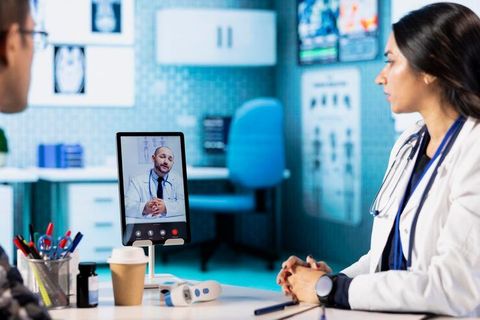
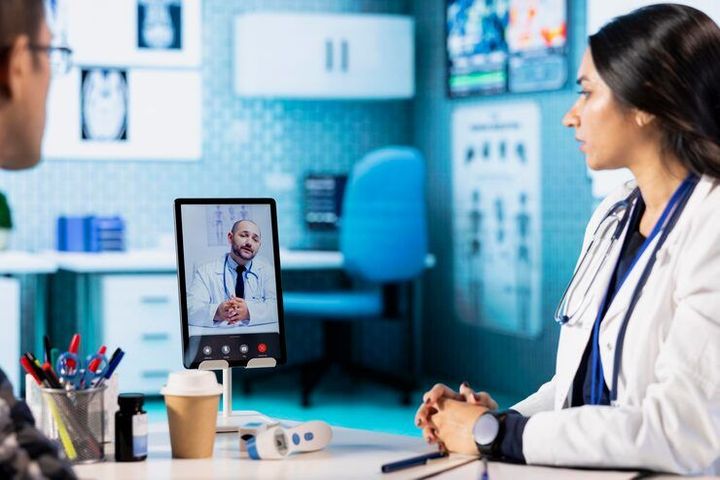
Telemedicine platforms are digital systems that enable remote medical consultations between patients and healthcare professionals using internet-based technologies. These platforms allow communication through video calls, audio calls, chat interfaces, and digital document sharing.
Telemedicine exists to bridge gaps in healthcare access. Geographic distance, limited mobility, and time constraints often prevent individuals from visiting healthcare facilities in person. Telemedicine platforms provide an alternative by connecting patients with licensed practitioners remotely, while maintaining structured medical documentation.
Over time, telemedicine has evolved from simple video consultations to integrated healthcare systems that include appointment booking, electronic prescriptions, digital health records, and secure payment processing.
Why Telemedicine Platforms Matter Today
Telemedicine platforms matter because healthcare access and delivery models are changing. Increasing digital adoption, urban congestion, and demand for convenience have influenced how patients seek medical support.
This topic affects:
-
Patients in urban and rural areas
-
Healthcare providers and clinics
-
Hospitals and health networks
-
Public health systems
Telemedicine helps address several ongoing challenges:
-
Limited access to specialists in remote regions
-
Long waiting times for appointments
-
Travel-related costs and inconvenience
-
Need for follow-up consultations without repeated visits
While telemedicine does not replace emergency care or physical examinations when necessary, it complements traditional healthcare systems by improving accessibility and continuity of care.
Core Components of a Telemedicine Platform
Telemedicine platforms rely on several integrated components to support secure and structured consultations.
Common core components include:
-
User registration and identity verification
-
Appointment scheduling systems
-
Secure video and communication tools
-
Electronic medical records (EMR) integration
-
E-prescription generation
-
Data security and encryption mechanisms
A simplified overview is shown below:
| Component | Purpose |
|---|---|
| Registration | Patient identification |
| Scheduling | Time management |
| Video/Chat Interface | Consultation delivery |
| EMR System | Medical documentation |
| E-Prescription | Treatment instructions |
| Security Layer | Data protection |
These components work together to replicate key elements of in-person consultations in a digital format.
How Telemedicine Platforms Work: Step-by-Step Process
Telemedicine platforms follow a structured workflow that ensures clarity, privacy, and documentation.
1. Account Creation and Profile Setup
Patients create accounts and provide basic details such as medical history and identification information.
2. Appointment Booking
Users select a doctor, specialty, and available time slot through the scheduling interface.
3. Consultation Session
At the scheduled time, the patient and doctor connect via secure video or audio. The doctor may review symptoms, discuss medical history, and provide guidance.
4. Digital Documentation
Notes from the consultation are recorded within the system for future reference.
5. E-Prescription and Follow-Up
If required, a digital prescription is issued, and follow-up appointments may be scheduled.
A simplified workflow table is shown below:
| Step | Function |
|---|---|
| Registration | Identity confirmation |
| Booking | Appointment coordination |
| Consultation | Medical interaction |
| Documentation | Record maintenance |
| Prescription | Treatment guidance |
This process ensures continuity and accountability.
Types of Telemedicine Services
Telemedicine platforms may offer different service formats depending on medical needs.
Common types include:
-
General physician consultations
-
Specialist consultations (e.g., dermatology, psychiatry)
-
Follow-up visits for ongoing treatment
-
Chronic disease management support
-
Mental health consultations
Some platforms also integrate diagnostic services or laboratory test coordination, though physical testing still requires in-person procedures.
A simplified service overview is shown below:
| Service Type | Typical Purpose |
|---|---|
| General Consultation | Initial assessment |
| Specialist Advice | Focused evaluation |
| Follow-Up | Progress review |
| Chronic Care | Ongoing monitoring |
These services expand healthcare access without replacing clinical judgment.
Recent Developments in Telemedicine (2025)
Over the past year, telemedicine platforms have continued to evolve in response to technological and regulatory developments.
In January 2025, increased adoption of AI-assisted symptom triage tools was observed, helping patients navigate services more efficiently before connecting with a doctor.
By June 2025, many platforms improved integration with wearable health devices, allowing limited real-time health data sharing during consultations.
Another trend in October 2025 involved enhanced digital prescription verification systems, improving coordination between doctors and pharmacies.
A comparison of earlier and recent trends is shown below:
| Aspect | Earlier Practice | 2025 Trend |
|---|---|---|
| Appointment Handling | Manual scheduling | Automated systems |
| Data Input | Patient-reported | Device-assisted |
| Prescriptions | Digital PDF | Verified digital format |
| Consultation Support | Basic video | AI-assisted triage |
These updates focus on efficiency and better patient experience.
Legal and Regulatory Framework in India
Telemedicine in India is governed by structured guidelines and data protection laws.
Key regulatory references include:
-
Telemedicine Practice Guidelines (2020) issued by the Ministry of Health and Family Welfare
-
Indian Medical Council regulations governing professional conduct
-
Digital Personal Data Protection Act, 2023 for patient data privacy
-
Information Technology Act, 2000 for electronic records and cybersecurity
During 2024–2025, emphasis has remained on:
-
Informed patient consent
-
Secure digital record keeping
-
Proper documentation of prescriptions
-
Practitioner registration and accountability
Telemedicine platforms must comply with these guidelines to ensure safe and lawful operation.
Benefits and Limitations of Telemedicine Platforms
Telemedicine offers several advantages but also has defined limitations.
Benefits include:
-
Increased accessibility
-
Reduced travel time
-
Faster follow-up care
-
Improved documentation consistency
Limitations include:
-
Inability to conduct physical examinations when necessary
-
Dependence on internet connectivity
-
Suitability primarily for non-emergency cases
A balanced understanding helps set realistic expectations.
Tools and Resources Supporting Telemedicine Use
Several tools enhance telemedicine experiences for both patients and providers.
Helpful resources include:
-
Secure internet connections and updated devices
-
Digital health record management systems
-
Appointment reminder systems
-
Symptom tracking applications
-
Patient consent documentation templates
Key preparation factors are shown below:
| Preparation Element | Importance |
|---|---|
| Stable Internet | Consultation clarity |
| Medical History Access | Informed advice |
| Device Camera & Audio | Effective communication |
| Privacy Environment | Confidentiality |
Preparation improves consultation effectiveness.
Frequently Asked Questions
Is telemedicine suitable for all medical conditions?
No. It is best suited for non-emergency consultations and follow-up care.
Are telemedicine consultations legally recognized in India?
Yes, when conducted under approved guidelines and by registered medical practitioners.
Is patient data secure on telemedicine platforms?
Platforms are required to implement data protection measures under Indian law.
Can prescriptions be issued digitally?
Yes, digital prescriptions are permitted under telemedicine guidelines, subject to restrictions.
Does telemedicine replace in-person visits?
It complements traditional care but does not replace physical examinations when necessary.
Conclusion
Telemedicine platforms represent an evolving model of healthcare delivery that improves access, efficiency, and documentation through digital technology. By integrating communication tools, electronic records, and regulatory compliance frameworks, they support structured remote consultations.
Recent developments in AI triage, device integration, and prescription verification demonstrate continued technological progress. At the same time, regulatory frameworks in India emphasize consent, practitioner accountability, and data protection.