Explore Vertical Mast Lifts: Complete Guide, Basics, and Key Insights
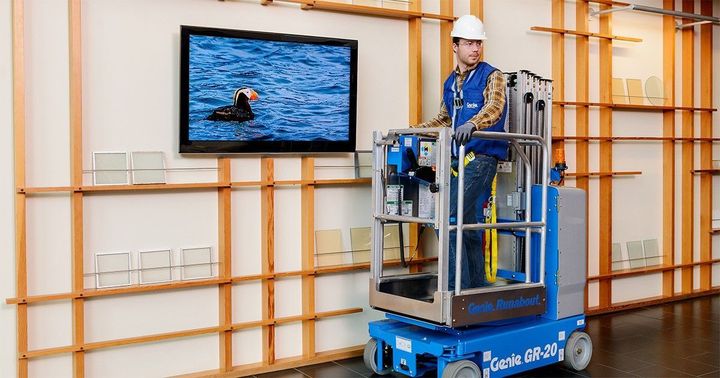
Vertical mast lifts are compact aerial work platforms designed to raise workers vertically to perform tasks at height. Unlike scissor lifts or boom lifts, these machines move primarily in a straight upward direction using a mast mechanism. Their narrow base allows them to operate in tight indoor spaces such as warehouses, retail stores, manufacturing plants, and facility corridors.
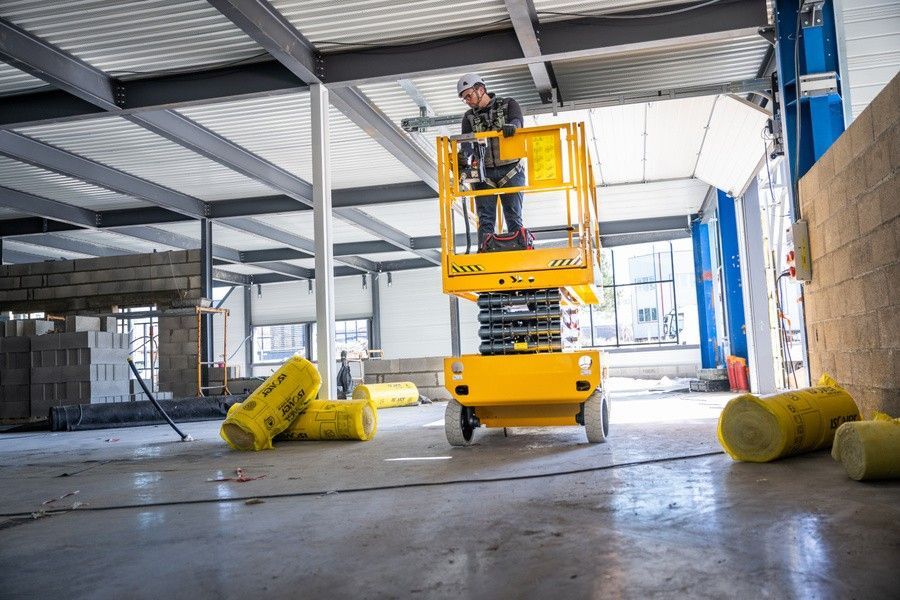
These machines exist to address a common workplace need: safe and stable access to elevated areas. Tasks such as electrical maintenance, lighting installation, inventory management, painting, and ceiling repair require lifting personnel safely above ground level. Ladders and scaffolding were traditionally used for these purposes, but they can be time-consuming to set up and may present stability challenges.
Vertical mast lifts were developed to provide:
-
Controlled vertical elevation
-
Compact maneuverability
-
Stable working platforms
-
Reduced setup time compared to scaffolding
Most models are powered by electric batteries, making them suitable for indoor use where low noise and zero direct emissions are important.
Importance: Why Vertical Mast Lifts Matter Today
The demand for vertical mast lifts is closely connected to trends in construction equipment, facility management, and industrial safety standards. As buildings become larger and more technologically advanced, the need for efficient material handling equipment and safe height access solutions increases.
These lifts matter because they:
-
Improve worker safety by reducing fall risks
-
Increase productivity in maintenance operations
-
Support warehouse inventory management systems
-
Enable efficient work in narrow aisles and confined spaces
Industries affected include:
-
Commercial construction
-
Warehousing and logistics
-
Manufacturing facilities
-
Airports and transportation hubs
-
Retail chains and distribution centers
In modern logistics environments, especially high-density storage systems, narrow aisle access equipment plays a crucial role. Vertical mast lifts can move through compact shelving layouts where larger aerial work platforms may not fit.
From a safety perspective, workplace injury prevention remains a major focus for regulators and businesses. Falls from height continue to be a significant hazard in industrial and construction environments. Vertical mast lifts provide guardrails, stable platforms, and emergency controls, which reduce the risks associated with ladders.
The following table compares common elevated access solutions:
| Feature | Vertical Mast Lift | Scissor Lift | Ladder |
|---|---|---|---|
| Primary Movement | Vertical only | Vertical | Manual |
| Suitable for Narrow Aisles | Yes | Limited | Yes |
| Platform Stability | High | High | Low |
| Setup Time | Low | Moderate | Low |
| Worker Protection Rails | Yes | Yes | No |
This comparison shows how vertical mast lifts fill a specific niche in the aerial work platform category.
Recent Updates: Trends and Industry Developments
In the past year, several developments have influenced the vertical mast lift market and broader construction equipment trends.
One noticeable trend has been the shift toward enhanced battery technology. Manufacturers have introduced improved lithium-based battery systems that extend operational hours and reduce charging downtime. These updates align with sustainability goals and workplace energy efficiency initiatives.
Another change involves smart control systems. Newer models feature:
-
Digital diagnostic displays
-
Telematics integration
-
Automated descent and safety alerts
-
Real-time performance monitoring
Telematics systems allow facility managers to monitor equipment usage, maintenance schedules, and operator behavior. This data-driven approach supports predictive maintenance and improved fleet management.
Compact design improvements have also been reported, focusing on lighter materials and improved maneuverability. These refinements help businesses optimize indoor floor load limits and reduce wear on warehouse flooring.
There is also growing interest in low-noise electric machinery to comply with stricter environmental and workplace noise guidelines.
The following simplified trend overview illustrates key focus areas:
| Trend Area | Industry Focus |
|---|---|
| Energy Efficiency | Longer battery cycles |
| Smart Monitoring | Telematics and diagnostics |
| Compact Engineering | Narrower chassis design |
| Workplace Safety | Enhanced sensors and alarms |
These developments indicate a gradual transition toward smarter and more sustainable aerial work platforms.
Laws or Policies: Regulatory and Compliance Considerations
Vertical mast lifts are influenced by workplace safety regulations and industrial compliance standards. In most regions, occupational safety authorities require employers to provide safe access equipment when employees work at height.
Key regulatory aspects typically include:
-
Operator training requirements
-
Regular equipment inspection protocols
-
Load capacity compliance
-
Fall protection standards
-
Maintenance documentation
Many governments require that aerial work platforms meet recognized safety certification standards. These standards often define:
-
Maximum platform height
-
Guardrail dimensions
-
Emergency lowering systems
-
Stability testing procedures
Workplace safety programs frequently mandate documented risk assessments before elevated tasks are performed. Employers are generally responsible for ensuring that operators understand equipment controls and emergency procedures.
In addition, environmental regulations may influence equipment selection, particularly in indoor environments where emissions and noise restrictions apply. Electric vertical mast lifts are commonly preferred in enclosed areas to meet these guidelines.
Compliance with industrial safety standards helps reduce liability risks and workplace incidents.
Tools and Resources: Helpful Platforms and References
Several digital tools and informational resources support safe and efficient use of vertical mast lifts and related material handling equipment.
Helpful tools may include:
-
Equipment inspection checklist templates
-
Load capacity calculators
-
Preventive maintenance scheduling software
-
Fleet management dashboards
-
Workplace risk assessment templates
Industry associations and safety organizations often provide:
-
Technical guidelines
-
Training manuals
-
Certification frameworks
-
Safety compliance updates
Some manufacturers offer mobile applications that display diagnostic alerts and maintenance reminders. These tools improve operational transparency and support predictive maintenance strategies.
Construction equipment analytics platforms also help track machine performance metrics such as:
-
Usage hours
-
Battery health
-
Idle time
-
Maintenance intervals
Using structured documentation systems reduces the likelihood of missed inspections or regulatory violations.
FAQs
What is the main difference between a vertical mast lift and a scissor lift?
A vertical mast lift primarily moves straight up and down and is designed for narrow spaces. A scissor lift also moves vertically but typically has a larger platform and footprint. Vertical mast lifts are more compact and suited for tight indoor environments.
How high can vertical mast lifts typically reach?
The working height varies by model, but many units are designed for low to mid-level indoor applications. Manufacturers specify maximum platform height and load capacity, which must not be exceeded.
Are vertical mast lifts suitable for outdoor use?
Some models are designed for limited outdoor use on level surfaces. However, many are optimized for indoor operations due to their compact wheels and electric power systems. Surface stability and wind conditions must be considered.
Do operators require training?
Yes. In most jurisdictions, operators must complete approved training programs. Training generally covers equipment controls, hazard awareness, inspection procedures, and emergency response protocols.
What maintenance is required for vertical mast lifts?
Routine maintenance includes battery inspection, hydraulic system checks, tire condition monitoring, and safety mechanism testing. Scheduled inspections help ensure compliance with industrial safety standards.
Conclusion
Vertical mast lifts represent a specialized category within aerial work platforms, designed to provide safe, efficient vertical access in confined indoor environments. Their compact structure, stable platforms, and electric operation make them well suited for warehouses, retail spaces, and maintenance tasks.
Recent developments highlight improvements in battery efficiency, telematics integration, and smart diagnostics. These innovations align with broader trends in construction equipment technology and industrial safety standards.
Regulatory compliance remains a critical factor, requiring proper training, inspection, and documentation. Organizations that implement structured safety programs and digital maintenance tools can improve operational efficiency while reducing workplace risks.