Explore Photo Booth Rentals: Complete Guide, Tips, and Essential Information
Photo booth rentals refer to temporary photography setups installed at events to capture instant images or digital media. These booths can be enclosed cabins, open-air backdrops, or 360-degree camera platforms. They are typically used during weddings, corporate events, birthday parties, exhibitions, and community gatherings.
The concept originated from early automated photography machines such as the Photomaton units introduced in the early twentieth century. Over time, photo booths evolved from simple passport-style machines into interactive digital photography systems equipped with touchscreens, instant printing, and cloud sharing.
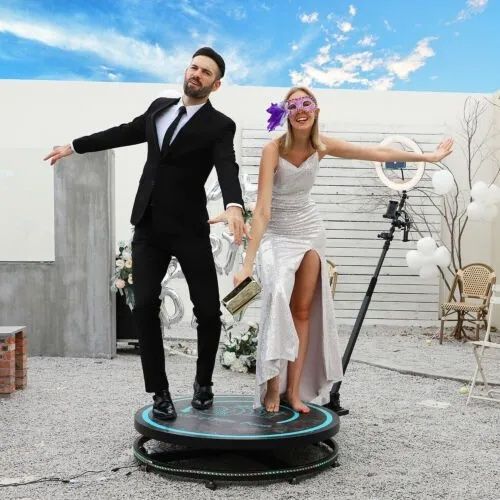
The main purpose of a photo booth is to provide guests with a simple and engaging way to create keepsake images during events. Unlike traditional event photography, which focuses on candid or formal coverage, a booth encourages participants to pose, use props, and interact creatively.
Modern digital photo booth technology integrates:
-
DSLR or mirrorless cameras
-
LED ring lighting systems
-
Touchscreen interfaces
-
Instant photo printing
-
QR-based digital sharing
-
Data analytics for event engagement
Photo booth rentals exist because event organizers often seek interactive event experiences that combine entertainment and photography. These installations create structured engagement within social gatherings.
Why Photo Booth Rentals Matter Today
In today’s event planning landscape, engagement and personalization are central goals. Photo booth rentals contribute to both.
For weddings and private celebrations, they support wedding reception ideas that allow guests to participate actively. Instead of being passive observers, guests create personalized images, digital GIFs, or short video clips.
For corporate event entertainment, photo booths are often used as branded photo booth activation tools. Companies may customize:
-
Background designs
-
Digital overlays
-
Logo placements
-
Data capture forms
This makes them relevant in marketing campaigns, exhibitions, and product launches where attendee engagement metrics are important.
Photo booth rentals also address several common challenges:
-
Encouraging guest interaction at large events
-
Reducing idle time during receptions
-
Providing consistent lighting and image quality
-
Generating user-generated content for social platforms
From a psychological perspective, structured activities like booths help reduce social awkwardness. Guests who may not know each other can gather around a shared activity, making them effective tools in networking environments.
The growing demand for digital documentation of events has further increased their relevance. As social media platforms emphasize visual content, event photography solutions that support immediate sharing have become more common.
Recent Updates and Emerging Trends
Recent developments in digital photo booth technology show a shift toward immersive and data-driven systems.
One notable trend is the integration of artificial intelligence. AI-powered booths can now:
-
Apply real-time background removal
-
Generate themed digital filters
-
Enhance facial lighting automatically
-
Create animated overlays
Another update involves 360-degree video booths, which capture slow-motion rotating footage. These installations are popular in high-profile events and corporate brand activations.
Touchless interaction has also become more common. QR code scanning allows guests to receive digital copies directly on their devices without physical contact. This shift supports hygiene-conscious event environments.
Sustainability practices have also influenced design. Many organizers now prefer:
-
Recyclable backdrop materials
-
Energy-efficient LED lighting
-
Reduced paper printing in favor of digital delivery
Data privacy features have improved as well. Event planners increasingly request transparent consent forms and data storage limitations when using booths for email or engagement tracking.
Overall, photo booth rentals are transitioning from simple photography stations into interactive digital engagement platforms.
Laws and Policies That Affect Photo Booth Rentals
Although photo booth rentals are generally straightforward event installations, they are influenced by several categories of regulations.
Data protection rules apply when booths collect personal information such as names, email addresses, or phone numbers. Organizers must ensure:
-
Clear consent before data collection
-
Transparent privacy notices
-
Secure data storage practices
Copyright regulations may apply to background images, music overlays in video booths, and branded graphics. Using licensed content is important to avoid intellectual property violations.
Public venue regulations can also impact booth setup. Event locations may require:
-
Electrical safety compliance
-
Fire safety clearances
-
Structural stability of stands and backdrops
For outdoor events, municipal guidelines may regulate temporary installations, especially in public spaces.
Additionally, accessibility standards may influence booth placement. Ensuring adequate space for wheelchair access and inclusive design supports broader participation.
Because policies differ by region and venue, event organizers typically review local guidelines before installation.
Tools and Resources Related to Photo Booth Rentals
Several tools and platforms support event planning guide workflows involving photo booth rentals.
Digital Photo Booth Software
Common features include touchscreen control, template customization, and analytics dashboards. Examples of photo-editing tools often used alongside booths include:
-
Adobe Photoshop
-
Canva
These platforms help create branded overlays and layout templates.
Event Management Platforms
For coordinating logistics and guest communication, organizers may use:
-
Eventbrite
-
Cvent
These tools assist in tracking attendance and integrating engagement analytics.
Cloud Storage and Sharing
To distribute digital images efficiently, cloud-based systems are often integrated. QR code generators and file-sharing platforms enable quick access.
Planning Checklists
Event planning templates commonly include:
-
Space requirements checklist
-
Power supply confirmation
-
Lighting placement guidelines
-
Guest flow mapping
Below is a simplified comparison table of common booth formats:
| Booth Type | Space Required | Media Output | Ideal For |
|---|---|---|---|
| Enclosed Booth | Small | Printed photos | Private celebrations |
| Open-Air Booth | Medium | Digital & print | Weddings and receptions |
| 360 Video Platform | Larger area | Slow-motion videos | Corporate events & exhibitions |
These tools help streamline event photography solutions without complex technical processes.
Frequently Asked Questions
What is the difference between open-air and enclosed photo booths?
An enclosed booth provides a private cabin-style space, while an open-air booth uses a backdrop and camera setup without walls. Open-air formats typically accommodate larger groups.
Do photo booth rentals require internet access?
Not always. Basic image capture and printing can function offline. Internet connectivity is mainly needed for instant sharing or cloud uploads.
How much space is typically needed?
Most setups require a clear area ranging from small corner placements to larger open zones for 360-degree platforms. Space planning is an important part of event logistics.
Can photo booths collect guest data?
Yes, digital systems may collect email addresses or feedback through touchscreen forms. Clear consent and privacy transparency are important when using data capture features.
Are printed photos still common?
Yes, although many events now prioritize digital delivery. Hybrid setups that provide both print and digital copies are widely used.
Conclusion
Photo booth rentals have evolved from simple automated photography machines into advanced digital engagement platforms. They play a meaningful role in event photography solutions by encouraging interaction, personalization, and structured entertainment.
Modern booths integrate artificial intelligence, digital sharing tools, and data analytics while adapting to sustainability and privacy considerations. Their relevance spans weddings, corporate events, exhibitions, and community gatherings.