Explore Construction Site Safety Monitoring: Overview, Basics & Practical Advice
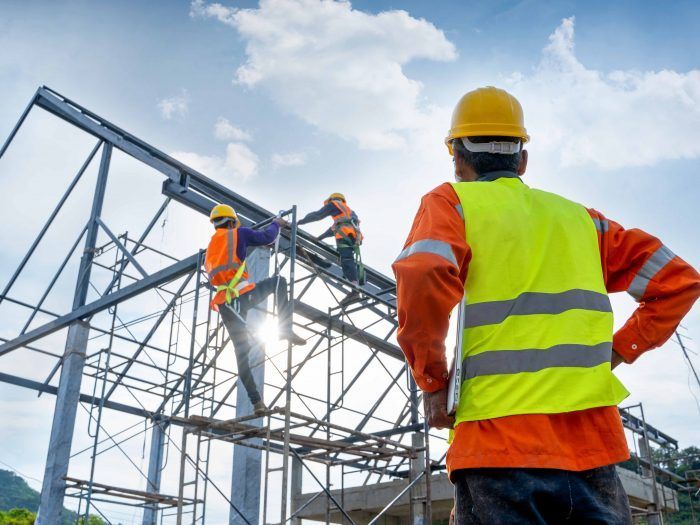
Construction site safety monitoring refers to the systems, processes, and technologies used to observe, assess, and improve safety conditions at construction projects. Construction sites are dynamic environments where heavy equipment, working at heights, electrical systems, and multiple teams operate simultaneously. Because of these risks, structured safety monitoring exists to reduce hazards and maintain regulatory compliance.
Construction site safety monitoring is a structured approach to identifying hazards, preventing incidents, and ensuring safe work practices. It includes visual inspections, digital safety management software, surveillance systems, wearable safety devices, and structured reporting systems.
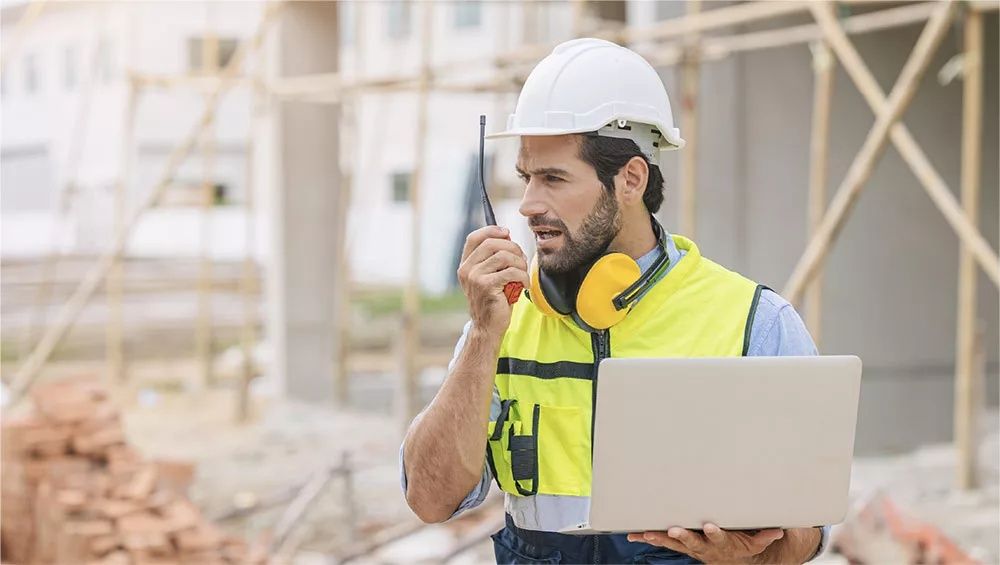
Construction projects often involve:
-
Heavy machinery and earthmoving equipment
-
Temporary scaffolding and elevated work platforms
-
Electrical wiring and confined spaces
-
Multiple subcontractors working simultaneously
These factors increase the possibility of accidents. Safety monitoring systems exist to provide ongoing oversight, track compliance with safety standards, and create documented records of inspections and incidents.
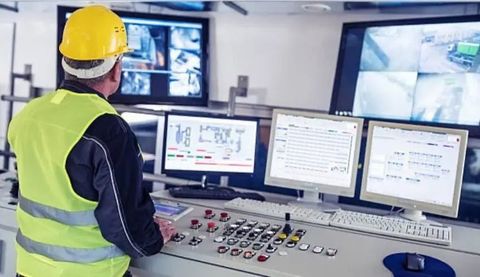
Modern monitoring combines traditional site inspections with digital tools such as AI-powered video analytics, IoT-based wearable sensors, and cloud-based compliance management software. The goal is not only accident prevention but also continuous risk assessment and improvement.
Importance: Why Safety Monitoring Matters Today
Construction remains one of the most high-risk industries globally. Workplace injuries can impact workers, project timelines, insurance liability, and overall operational efficiency. Safety monitoring helps reduce these risks.
It matters today for several key reasons:
Growing Infrastructure Projects
Large-scale infrastructure and urban development projects increase workforce size and complexity, requiring more advanced safety tracking.
Regulatory Compliance Requirements
Occupational health and safety regulations require documented inspections, hazard reporting, and training records.
Risk Management and Liability Reduction
Construction risk management strategies rely heavily on safety monitoring to reduce legal exposure and insurance claims.
Worker Protection and Wellbeing
Personal protective equipment (PPE) monitoring, fall detection systems, and heat stress alerts improve worker safety.
Data-Driven Decision Making
Digital safety analytics platforms provide dashboards showing incident trends, near-miss reporting, and compliance status.
Below is a simplified comparison table of traditional versus digital safety monitoring approaches:
| Aspect | Traditional Monitoring | Digital Monitoring Systems |
|---|---|---|
| Inspections | Manual checklists | Mobile inspection apps |
| Reporting | Paper-based forms | Cloud-based safety reporting software |
| Surveillance | On-site supervisors | AI-enabled CCTV analytics |
| Data Tracking | Manual logs | Real-time safety dashboards |
| Hazard Alerts | Verbal communication | Automated mobile notifications |
Organizations increasingly integrate environmental health and safety (EHS) software into their construction management systems to centralize monitoring.
Recent Updates: Trends and Changes in Construction Safety Monitoring
In the past year, several trends have influenced construction safety monitoring:
Increased Adoption of AI Surveillance
AI-powered cameras now detect missing PPE, unsafe proximity to heavy equipment, and restricted zone violations. This reduces reliance on constant manual supervision.
Wearable Technology Expansion
Smart helmets and wearable safety sensors now track location, fatigue levels, and fall incidents in real time.
Drone-Based Site Inspections
Drones are being used to monitor large construction areas, inspect scaffolding, and review elevated structures without exposing workers to additional risk.
Integration with Building Information Modeling (BIM)
Safety monitoring tools are being integrated with BIM systems to visualize risk zones during project planning.
Emphasis on Mental Health and Heat Stress Monitoring
With increasing climate variability, heat exposure tracking and worker wellness programs have gained attention.
These changes reflect a broader shift toward predictive safety analytics rather than reactive reporting.
Laws and Policies: How Regulations Influence Safety Monitoring
Construction site safety monitoring is directly influenced by occupational safety and health regulations. While specific regulations differ across jurisdictions, common requirements include:
-
Mandatory workplace hazard assessments
-
Fall protection standards for elevated work
-
Scaffold safety regulations
-
PPE usage requirements
-
Incident reporting obligations
-
Safety training documentation
Government safety agencies typically require employers to:
-
Maintain written safety plans
-
Conduct regular inspections
-
Keep records of injuries and corrective actions
-
Provide worker safety training
Environmental health and safety compliance software often helps organizations track these obligations. Non-compliance can result in penalties, work stoppages, or legal consequences.
Regulations also increasingly recognize digital documentation, allowing mobile-based safety reporting systems to replace paper records when properly maintained.
Tools and Resources: Practical Safety Monitoring Solutions
A wide range of tools support construction site safety monitoring.
Digital Safety Management Software
-
Cloud-based EHS platforms
-
Construction compliance tracking systems
-
Incident reporting dashboards
Mobile Inspection Apps
-
Digital safety checklists
-
Photo documentation tools
-
Real-time reporting features
AI and Surveillance Systems
-
PPE detection software
-
Proximity alert systems
-
Restricted zone monitoring
Wearable Safety Devices
-
Smart helmets with sensors
-
GPS tracking devices
-
Fall detection wearables
Drone Inspection Technology
-
Aerial site mapping
-
Structural monitoring
-
Remote hazard identification
Templates and Documentation Resources
-
Job hazard analysis (JHA) templates
-
Safety audit checklists
-
Toolbox talk documentation formats
Below is a simple representation of how data flows in a digital safety monitoring system:
Worker Activity → Sensor / Camera → Cloud Platform → Safety Dashboard → Supervisor Action
This structured flow supports faster response times and more consistent compliance tracking.
FAQs About Construction Site Safety Monitoring
What is the main purpose of construction site safety monitoring?
The main purpose is to identify hazards, prevent accidents, ensure regulatory compliance, and protect workers. It also creates documented records for auditing and legal protection.
How does AI improve construction site safety?
AI systems can detect unsafe behavior such as missing helmets, entering restricted areas, or unsafe proximity to machinery. This allows supervisors to address risks quickly.
Are digital safety systems replacing manual inspections?
Digital systems supplement manual inspections rather than fully replacing them. Human oversight remains essential, but technology enhances accuracy and speed.
What data is typically collected in safety monitoring?
Common data includes incident reports, inspection results, PPE compliance, equipment usage logs, and environmental conditions.
How often should safety inspections be conducted?
Frequency depends on project size, risk level, and regulatory requirements. High-risk activities often require daily checks, while general site audits may occur weekly or monthly.
Conclusion
Construction site safety monitoring is an essential component of modern project management. It combines hazard identification, regulatory compliance, digital surveillance, and data analytics to create safer working environments.
As construction projects grow in complexity, traditional inspection methods are increasingly supported by AI-powered surveillance systems, wearable safety technology, and cloud-based compliance software. These tools enable proactive risk management rather than reactive incident response.