Explore Bridge Inspection Units: Overview, Facts & Practical Tips
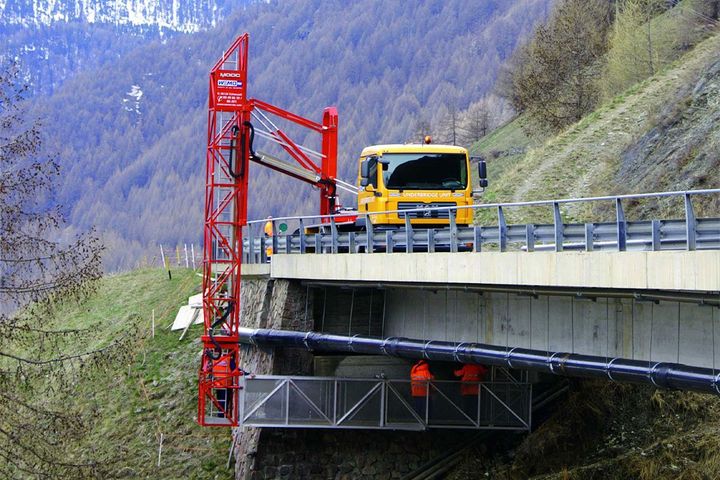
Bridge inspection units are specialized vehicles or platforms designed to help engineers and inspectors examine bridges safely and efficiently. They are commonly known as under bridge inspection vehicles (UBIVs). These units allow professionals to access hard-to-reach areas such as undersides, support beams, joints, and suspension elements.
Modern transportation infrastructure includes thousands of bridges that carry vehicles, trains, and pedestrians. Over time, bridges experience stress from traffic loads, weather exposure, temperature changes, and environmental conditions. Without proper monitoring, small cracks or corrosion can develop into serious structural issues.
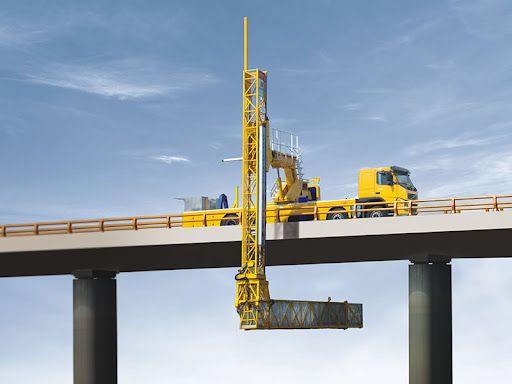
Bridge inspection units exist to make routine inspections safer and more systematic. Instead of using scaffolding or rope access methods, inspectors can operate hydraulic booms and extendable platforms from secure control systems. This improves visibility and allows closer examination of structural components.
These units are part of a broader system of infrastructure asset management. Civil engineers, structural analysts, and government authorities rely on regular inspection data to assess structural health and determine maintenance needs.
Importance – Why Bridge Inspection Units Matter Today
Bridge safety affects millions of commuters daily. A single structural failure can disrupt transportation networks, impact economic activity, and pose risks to public safety. Bridge inspection units support infrastructure safety by enabling detailed evaluations of load-bearing components.
Several factors make this topic especially important:
-
Aging infrastructure in many regions
-
Increasing traffic volumes and heavier vehicle loads
-
Extreme weather events
-
Expansion of smart city infrastructure
-
Greater public focus on civil engineering safety standards
Bridge inspection units help address common challenges such as:
-
Detecting cracks in concrete decks
-
Identifying corrosion in steel girders
-
Examining expansion joints and bearings
-
Assessing cable tension in suspension bridges
-
Monitoring fatigue in structural welds
Regular inspections contribute to structural health monitoring programs. These programs use inspection reports, sensor data, and engineering analysis to predict deterioration patterns. Early detection reduces the risk of sudden structural problems and improves long-term infrastructure planning.
Infrastructure management authorities also use inspection findings to prioritize rehabilitation projects. By identifying high-risk structures, agencies can allocate maintenance resources more effectively.
Recent Updates – Trends and Developments
Recent developments in bridge inspection technology focus on automation, digital data collection, and advanced analytics.
One major trend is the integration of drones for preliminary assessments. Unmanned aerial systems can capture high-resolution images of bridge surfaces, reducing the need for extensive manual access in certain cases. Drones are often used alongside traditional bridge inspection units rather than replacing them.
Another development involves artificial intelligence for crack detection. Image processing software can analyze photographs and identify surface defects with improved consistency. These tools help engineers process large volumes of inspection data more efficiently.
Structural health monitoring systems are also becoming more common. Sensors installed on bridges measure vibration, strain, temperature, and displacement. Data from these sensors can be transmitted to centralized platforms for continuous analysis.
Thermal imaging cameras are increasingly used to detect hidden defects in concrete decks and moisture intrusion. This method supports non destructive testing bridges without damaging the structure.
Digital inspection reporting platforms have improved documentation processes. Instead of paper-based forms, inspectors use tablets and cloud-based systems to record findings, attach images, and generate standardized reports.
These advancements aim to enhance safety, accuracy, and transparency in infrastructure management.
Laws or Policies – Regulatory Framework and Standards
Bridge inspection units operate within established civil engineering and transportation safety regulations. Most countries maintain national bridge inspection programs that define inspection frequency, documentation requirements, and qualification standards for inspectors.
Regulatory frameworks generally include:
-
Mandatory periodic inspections for public bridges
-
Certification requirements for structural inspectors
-
Standardized condition rating systems
-
Documentation and reporting guidelines
-
Maintenance prioritization criteria
Transportation authorities often publish detailed manuals outlining inspection procedures and safety requirements. These documents specify how bridge inspection units should be operated, including traffic control measures and worker protection protocols.
Infrastructure policies typically require bridges to be inspected at regular intervals. Special inspections may be required after extreme weather events, seismic activity, or unusual structural impact.
Compliance with engineering safety standards ensures consistency across regions. It also supports data sharing and benchmarking within transportation infrastructure management systems.
Environmental regulations may also apply, especially when inspections occur over waterways or sensitive ecosystems. Inspectors must follow guidelines that minimize environmental impact during maintenance operations.
Tools and Resources – Technology Supporting Bridge Inspection
Bridge inspection units are part of a broader ecosystem of infrastructure monitoring tools. Several technologies enhance inspection accuracy and efficiency.
Common tools and resources include:
-
Structural health monitoring sensors
-
Digital inspection reporting software
-
Crack measurement gauges
-
Ultrasonic testing devices
-
Ground penetrating radar systems
-
Thermal imaging cameras
-
Load rating calculation software
-
Asset management databases
Below is a simple overview of selected tools and their functions:
| Tool or System | Primary Function | Application Area |
|---|---|---|
| Under Bridge Inspection Vehicle | Provides physical access to bridge underside | Visual inspection and documentation |
| Ultrasonic Testing Equipment | Detects internal flaws in metal components | Steel girders and welds |
| Ground Penetrating Radar | Identifies subsurface deck issues | Concrete deck assessment |
| Thermal Imaging Camera | Detects moisture and hidden cracks | Concrete and composite materials |
| Structural Monitoring Sensors | Measures vibration and strain | Long-term structural analysis |
Digital asset management platforms play an important role in modern infrastructure safety programs. These platforms store inspection history, maintenance records, and condition ratings. Engineers can analyze trends and plan rehabilitation schedules based on data rather than assumptions.
Geographic information systems (GIS) are also used to map bridge networks and visualize inspection results across regions. This supports better decision-making at policy and planning levels.
Frequently Asked Questions
What is a bridge inspection unit?
A bridge inspection unit is a specialized vehicle equipped with extendable platforms and articulated booms that allow inspectors to access difficult areas of a bridge safely. It supports detailed structural examination and documentation.
How often are bridges inspected?
Inspection frequency depends on national infrastructure policies and structural condition. Most public bridges are inspected at regular intervals, with additional reviews after extreme events or significant damage.
Can drones replace bridge inspection units?
Drones assist in capturing images and preliminary assessments, but they usually complement rather than replace bridge inspection units. Physical access is often required for close-up examination and non destructive testing.
What types of defects are commonly found during inspections?
Common findings include surface cracks, corrosion of steel components, joint deterioration, concrete spalling, fatigue in welds, and drainage system issues.
Why is structural health monitoring important?
Structural health monitoring provides continuous data about a bridge’s performance. This helps engineers detect early signs of deterioration and make informed maintenance decisions.
Conclusion
Bridge inspection units play a vital role in maintaining safe and reliable transportation infrastructure. By providing secure access to critical structural components, these units enable engineers to identify potential risks before they escalate.
Modern infrastructure safety relies on a combination of physical inspection, digital tools, and structural health monitoring systems. Advances in drone technology, artificial intelligence, and sensor integration are reshaping how inspections are conducted and documented.
Regulatory standards ensure consistent inspection practices and support accountability within transportation infrastructure management. Together, these systems contribute to public safety, efficient resource planning, and long-term structural resilience.