Discover Vintage Chandeliers: Tips, Insights, and Practical Buying Advice
Vintage chandeliers are decorative ceiling light fixtures created in earlier design periods and preserved or restored for modern interiors. They exist because lighting has long been both a functional necessity and a symbol of craftsmanship, technology, and social taste. Earlier makers used materials such as brass, bronze, wrought iron, glass, and crystal, shaping them by hand or with early mechanical techniques.
Unlike modern mass-produced lighting, vintage chandeliers often reflect the design language of a specific era. Their forms were influenced by architecture, available materials, and cultural preferences of the time. Today, these fixtures are valued as historical objects that also remain usable in everyday spaces, blending heritage with practical illumination.
Importance: Why Vintage Chandeliers Matter Today
Vintage chandeliers continue to matter because they address several modern needs at once. They influence interior environments, preserve material history, and offer long-term durability when properly maintained.
For homeowners, designers, and restoration professionals, these fixtures help solve common design challenges:
-
Creating visual focus in large rooms without relying on modern decorative trends
-
Adding character to renovated or adaptive-reuse buildings
-
Supporting sustainable design by extending the life of existing materials
They also affect collectors, historians, and craftspeople who study or restore historic lighting methods. In many interiors, vintage chandeliers bridge the gap between old architecture and contemporary living needs.
Recent Updates: Changes and Observed Trends
In recent months, interest in vintage chandeliers has shifted toward authenticity and careful restoration. Rather than heavy refinishing, many professionals now emphasize preserving original patina and structural elements.
Another noticeable update is the increased use of modern electrical components discreetly integrated into older frames. This allows improved safety and energy efficiency while keeping the external appearance unchanged.
Interior trends have also shown greater mixing of eras. Vintage chandeliers are increasingly placed in minimalist or industrial spaces, creating contrast rather than strict historical matching. This reflects a broader design movement toward individuality and reuse rather than uniform style themes.
Laws or Policies: General Regulatory Considerations
Vintage chandeliers are indirectly affected by general electrical safety and building standards. These rules focus on wiring integrity, load capacity, and fire prevention rather than the age or style of the fixture itself.
In heritage or conservation settings, additional guidelines may apply to protect historically significant interiors. These guidelines usually emphasize reversibility, meaning any updates should not permanently alter original materials.
Environmental policies can also influence restoration practices, encouraging reuse and reduced waste. While such frameworks vary by region, the shared goal is safe operation while respecting historical value.
Tools and Resources: Helpful References for Evaluation and Care
Several tools and resources support informed decisions and ongoing care of vintage chandeliers:
-
Lighting measurement charts to assess room scale and ceiling height
-
Restoration checklists for inspecting metal fatigue, crystal condition, and joints
-
Electrical load calculators to estimate compatibility with modern systems
-
Digital catalogs and museum archives documenting historical lighting styles
-
Maintenance logs to track cleaning, rewiring, and component changes
These resources help users understand condition, suitability, and long-term upkeep without relying on guesswork.
Visual Overview: Common Styles and Features
| Design Feature | Typical Materials | Visual Impact | Practical Notes |
|---|---|---|---|
| Multi-arm frames | Brass, bronze | Formal and balanced | Requires even ceiling support |
| Crystal drops | Cut glass, lead crystal | Reflective and bright | Needs periodic gentle cleaning |
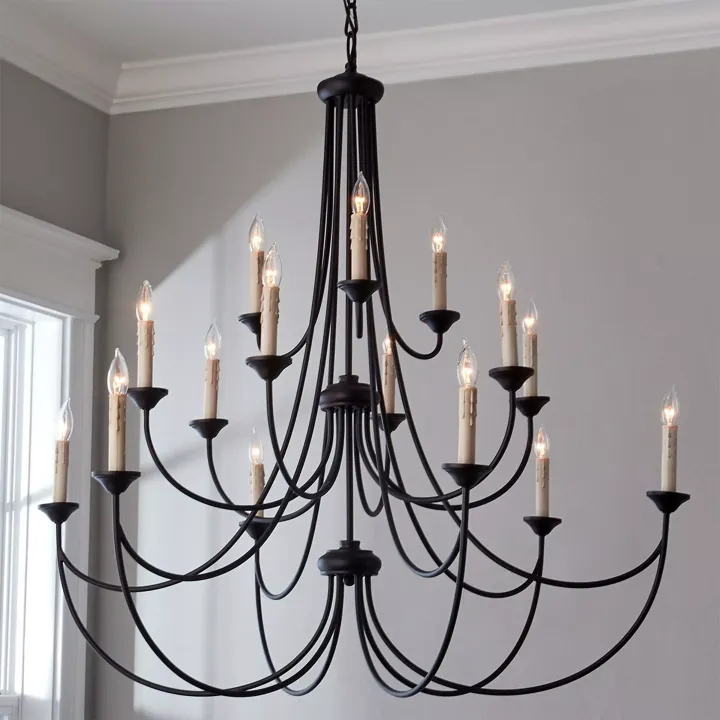
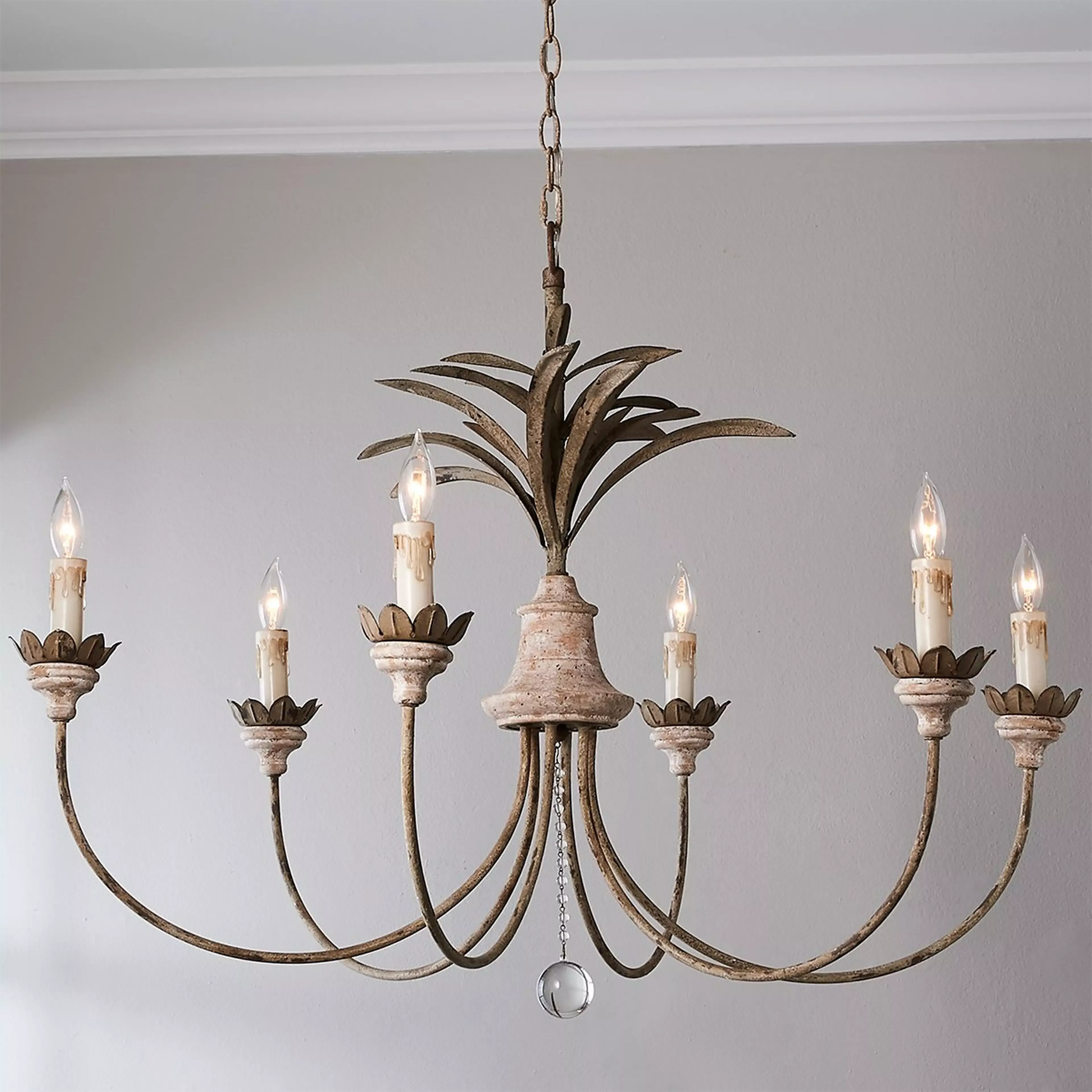
| Candle-style holders | Metal with sleeves | Traditional appearance | Often adapted for modern bulbs |
| Open metalwork | Iron, mixed alloys | Architectural and bold | Emphasizes shadows and form |
FAQs: Clear Answers to Common Questions
How can a vintage chandelier be evaluated for safety?
Safety evaluation usually involves checking structural stability, wire insulation, and connection points. Updated internal wiring is often recommended while keeping original exterior parts intact.
Do vintage chandeliers provide enough light for modern rooms?
Light output depends on size, number of arms, and bulb compatibility. Many fixtures are adapted to work with efficient light sources that improve brightness without altering appearance.
Is maintenance difficult compared to modern fixtures?
Maintenance can be more detailed due to multiple components, but routine care such as dusting and periodic inspections keeps effort manageable.
Can vintage chandeliers fit contemporary interiors?
Yes. They are frequently used as contrast pieces in modern spaces, adding texture and historical depth without overwhelming the design.
What materials tend to last the longest?
Solid metals like brass and bronze, along with high-quality glass or crystal, tend to endure well when properly cared for.
Practical Insights: Evaluating Condition and Suitability
When assessing a vintage chandelier, attention is often given to proportional balance and ceiling height. Oversized fixtures may dominate a space, while smaller ones can lose visual presence.
Another practical insight involves weight distribution. Older chandeliers were designed for different ceiling structures, so confirming support compatibility is essential.
The following table summarizes key evaluation points:
| Aspect to Check | Why It Matters | Typical Observation |
|---|---|---|
| Frame integrity | Prevents deformation | Look for bends or cracks |
| Joint connections | Ensures stability | Tight but not stressed |
| Surface finish | Indicates age and care | Even patina preferred |
| Electrical pathway | Supports safe use | Insulation should be intact |
Conclusion: Balanced Perspective on Vintage Chandeliers
Vintage chandeliers remain relevant because they combine functional lighting with cultural and material history. Their continued use reflects changing attitudes toward sustainability, authenticity, and design individuality.
By understanding their context, importance, recent developments, and practical considerations, readers can approach vintage chandeliers with informed confidence. These fixtures are not simply decorative objects; they are enduring examples of how thoughtful design can transcend time while adapting to present-day needs.