Cosmetic Bag Manufacturers: Complete Guide With Key Insights and Helpful Details
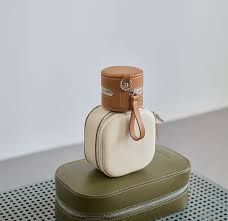
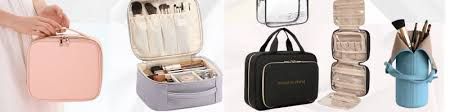
Cosmetic bag manufacturers create specialized storage solutions designed to organize and protect personal care items, skincare essentials, and makeup products. These bags are made using materials such as polyester, PU leather, cotton canvas, recycled fabrics, and transparent PVC alternatives. The industry exists because people increasingly require portable, durable, and hygienic storage options for daily routines, travel, and professional use in beauty-related fields.
Modern manufacturing combines design, stitching, molding, printing, and packaging processes, often supported by digital production tools. With the rising emphasis on hygiene, sustainability, and personal care routines, the role of cosmetic bag manufacturing has expanded into lifestyle, travel, and fashion sectors.
High CPC keywords integrated in the article include: product quality standards, eco-friendly materials, sustainable manufacturing, supply chain insights, global production trends, manufacturing process analysis, industrial compliance requirements, consumer safety guidelines, and material innovation research.
Importance
Understanding how cosmetic bags are manufactured helps businesses, creators, and users make informed choices about materials, functionality, and design quality. Cosmetic bags serve multiple audiences:
-
Individuals who need organized storage for daily use
-
Travelers who require compact and durable compartments
-
Makeup artists and professionals who depend on protective organizers
-
Brands that prioritize safe and hygienic packaging for beauty accessories
The manufacturing field solves practical problems such as clutter management, contamination prevention, portability, and product preservation. Growth in skincare and grooming habits, along with increasing interest in reusable and eco-conscious materials, makes the topic relevant for anyone tracking product development, sustainability practices, and industrial standards.
Recent Updates
The cosmetic bag industry has experienced several notable developments in the past year, reflecting new manufacturing innovations and consumer priorities.
Sustainable Material Adoption (2024–2025)
Manufacturers are shifting from traditional PVC toward materials like recycled PET, organic cotton, plant-based leather, and water-based coatings. This shift aligns with global attention to reducing plastic waste and improving environmental safety.
Rise of Transparent and Modular Designs (2024)
Clear travel-friendly bags gained popularity after updated airport guidelines in several regions emphasized liquid visibility for security screening. Modular compartments, detachable sections, and easy-clean interiors became increasingly preferred.
Digital Pattern-Making and Smart Workflow Integration (2025)
Factories have implemented AI-assisted material cutting and automated stitching systems, improving accuracy and reducing fabric waste. Digital sample approvals through 3D visualization now shorten the development cycle.
Focus on Hygiene and Safety (2024–2025)
Demand for antimicrobial linings and heat-resistant inner surfaces increased due to growing awareness about bacterial transfer between cosmetic tools and skin.
Growth in Travel and Personal Care Markets (2024)
As global travel rebounded, compact cosmetic organizers saw a noticeable rise in production volume. This trend pushed manufacturers to develop lightweight yet resilient designs.
Laws or Policies
Regulations affecting cosmetic bag manufacturers vary by region, focusing primarily on product safety, environmental standards, and material compliance.
Material Safety Regulations
Many countries follow rules that limit harmful chemicals in synthetic materials. For example:
-
Limits on phthalates in PVC alternatives
-
Restrictions on AZO dyes in fabrics
-
Standards for non-toxic adhesives and coatings
These guidelines help ensure that cosmetic bags do not cause skin irritation or environmental harm.
Environmental and Waste Management Policies
Countries promoting sustainable manufacturing encourage:
-
Use of recycled or biodegradable materials
-
Reduction of single-use plastics
-
Clear labeling for material composition
-
Adoption of water-efficient dyeing and finishing techniques
These policies influence design decisions and material sourcing strategies.
Import and Labeling Requirements
Manufacturers exporting cosmetic bags often must meet regulations such as:
-
Accurate fiber content labeling
-
Compliance certificates for synthetic materials
-
Packaging and transportation safety guidelines
These rules ensure transparency, consumer safety, and material traceability across global supply chains.
Tools and Resources
Several digital tools and reference platforms support material selection, production planning, and regulatory compliance in cosmetic bag manufacturing.
Design and Pattern Tools
-
CLO 3D – for 3D bag design visualization
-
AutoCAD – for precise structuring and technical drawings
-
CorelDRAW / Adobe Illustrator – for pattern layout and artwork
Material Research Platforms
-
OEKO-TEX Database – for checking material certifications
-
Textile Exchange Resources – insights on sustainable fabrics
-
Material innovation libraries – updates on biodegradable and eco-friendly options
Supply Chain and Workflow Management
-
ERP systems for coordinating production stages
-
Inventory and material tracking apps for raw material management
-
Quality control software to document inspection results
Regulation and Compliance References
-
National standards portals
-
Environmental compliance guidelines
-
Product testing templates and documentation checklists
Planning and Documentation Templates
-
Specification sheets
-
Material comparison tables
-
Manufacturing process flow charts
-
Quality assurance checklists
Below is a sample material comparison table often used during planning:
| Material Type | Key Features | Durability | Eco-Friendly Rating |
|---|---|---|---|
| PU Leather | Smooth finish, water-resistant | High | Medium |
| Recycled PET | Lightweight, sustainable | Medium-High | High |
| Cotton Canvas | Breathable, natural | Medium | High |
| EVA | Flexible, transparent | Medium | Medium |
FAQs
What materials are most commonly used in cosmetic bags?
Cosmetic bags are typically made from PU leather, polyester, cotton canvas, nylon, recycled PET, EVA, or mesh fabrics. Material choice depends on durability, aesthetic preferences, and environmental considerations.
Are cosmetic bag materials required to meet safety standards?
Yes. Many countries enforce regulations regarding chemical content, colorfastness, and material composition. These guidelines help prevent skin irritation and ensure safe handling.
Why are sustainable materials becoming more common in cosmetic bag production?
There is increasing demand for environmentally responsible manufacturing. Recycled fabrics, organic fibers, and plant-based materials reduce waste and support long-term sustainability goals.
How do manufacturers test the durability of cosmetic bags?
Common testing methods include abrasion tests, zipper strength assessments, seam pull evaluations, and resistance checks for water exposure, heat, and repeated handling.
What influences the design trends for cosmetic bags each year?
Trends are shaped by travel habits, beauty industry growth, fabric innovation, environmental awareness, and consumer preferences for portability, hygiene, and functionality.
Conclusion
Cosmetic bag manufacturers play a significant role in creating practical and dependable storage solutions that support daily routines and travel needs. With increasing attention to safety, sustainable materials, industrial compliance requirements, and modern production technology, the field continues to evolve quickly. Understanding material choices, regulatory influences, and recent innovations helps individuals and businesses stay informed about product quality, design standards, and long-term trends.
The industry reflects shifting consumer habits, growing emphasis on hygiene, and the broader movement toward responsible manufacturing. As new materials and digital tools emerge, cosmetic bag production will continue adapting to meet functional expectations and environmental priorities in the years ahead.