Boom Lifts Explained: Overview, Working Basics, and Safety Insights
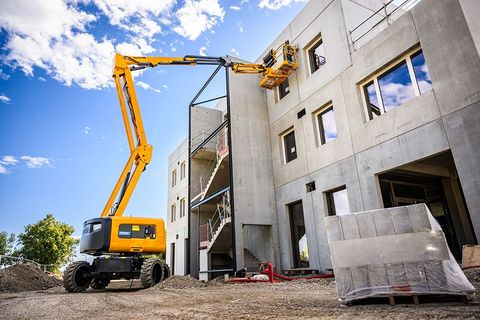
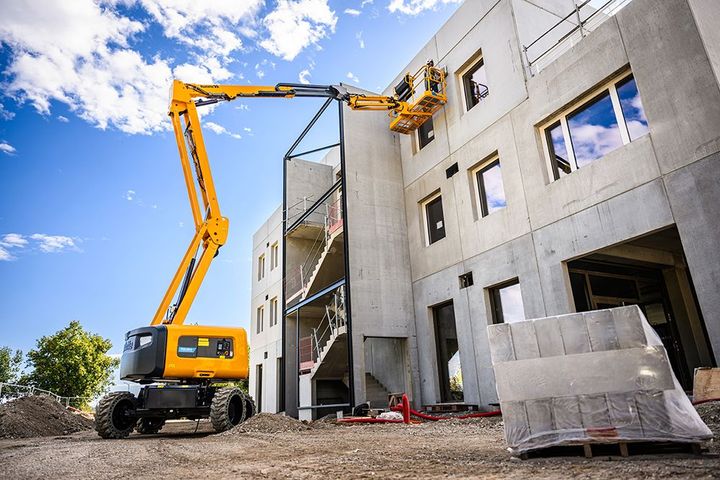
Boom lifts are powered access machines designed to raise workers, tools, and materials to elevated and hard-to-reach areas. They belong to a broader category known as aerial work platforms and are commonly seen in construction sites, warehouses, factories, ports, and public infrastructure projects.
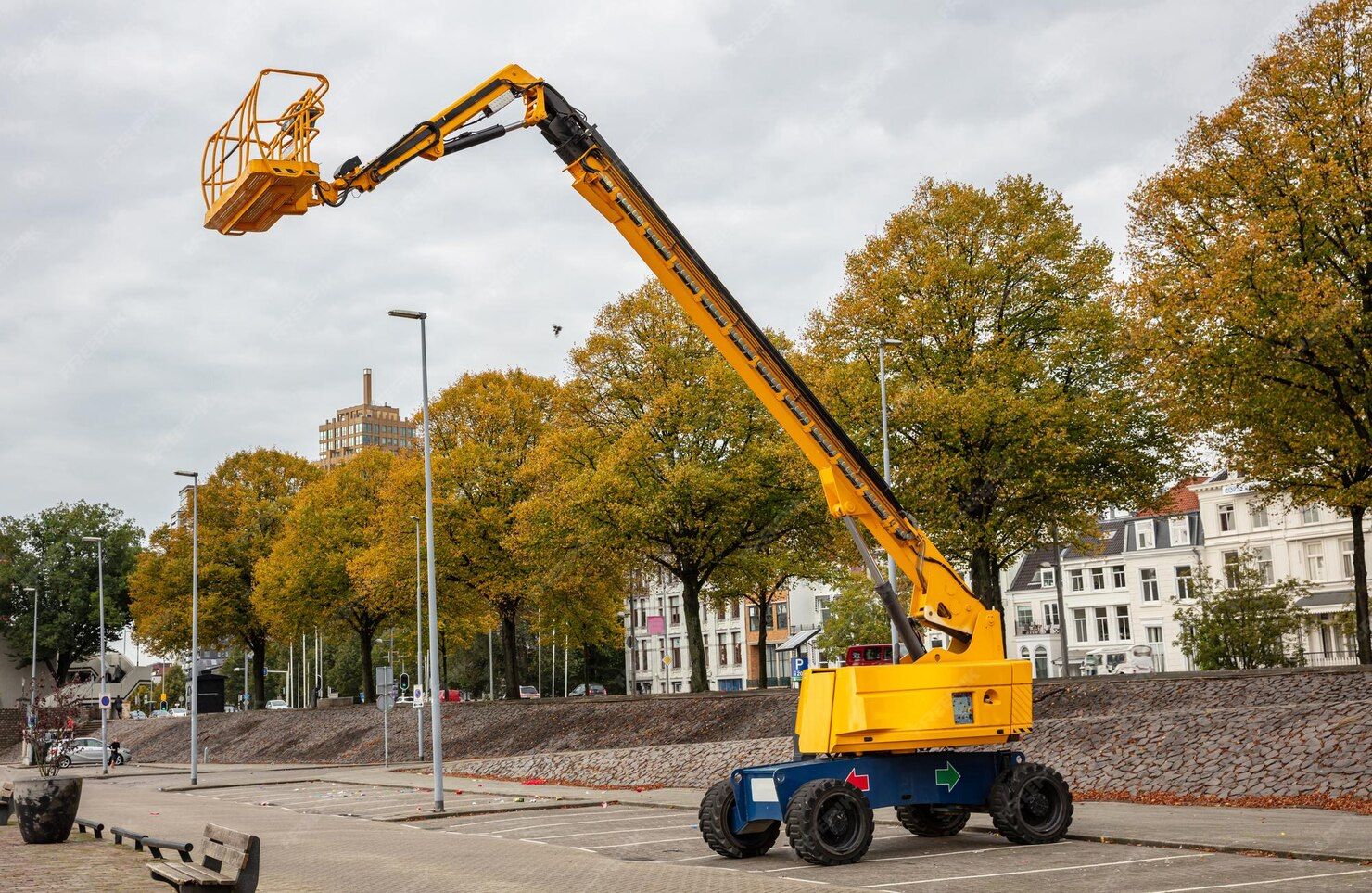
Unlike ladders or scaffolding, boom lifts provide controlled vertical and horizontal reach using a hydraulic arm mounted on a mobile base. This design exists to solve a simple but critical challenge: how to work safely and efficiently at height while maintaining stability and precise positioning.
Boom lifts are typically divided into two main types:
-
Articulating boom lifts, which have jointed arms for maneuvering around obstacles
-
Telescopic boom lifts, which extend straight outward for maximum horizontal reach
Their existence reflects the growing need for safer access solutions as buildings, equipment, and industrial environments become more complex.
Importance: Why Boom Lifts Matter Today
Working at height remains one of the most risk-prone activities across industries. Boom lifts play an important role in reducing these risks while improving productivity.
They matter today for several reasons:
-
Improved safety at height compared to temporary access methods
-
Greater reach and flexibility in confined or obstructed areas
-
Efficiency in setup and movement, saving time on large sites
-
Reduced physical strain on workers performing overhead tasks
Industries most affected include:
-
Construction and building maintenance
-
Utilities and energy infrastructure
-
Manufacturing and warehousing
-
Event setup and facility management
Problems boom lifts help solve include unstable access, limited reach, and frequent repositioning. Their use supports modern safety expectations and compliance requirements while enabling complex tasks to be completed with fewer interruptions.
High-value informational searches often relate to boom lift operation guide, aerial work platform safety, and elevated work access solutions, reflecting how essential this equipment has become.
Working Basics: How Boom Lifts Operate
Boom lifts rely on a combination of mechanical, hydraulic, and electronic systems working together.
At a basic level, the machine consists of:
-
A mobile base with wheels or tracks
-
A hydraulic boom arm that raises and extends
-
A platform basket for operators and tools
-
An integrated control system
The operator controls movement from the platform using joysticks or control panels. These controls manage lifting, extending, rotating, and lowering motions.
Basic operating flow:
-
The base is positioned on stable ground
-
Outriggers or stabilizing systems engage if required
-
The boom arm extends vertically or horizontally
-
The platform maintains level positioning automatically
Modern boom lifts often include sensors that limit operation when unsafe angles or loads are detected.
Typical reach characteristics (illustrative):
| Boom Type | Vertical Reach | Horizontal Reach | Common Use |
|---|---|---|---|
| Articulating | Medium–High | Medium | Obstacle access |
| Telescopic | High | Long | Open-area reach |
These working basics make boom lifts suitable for both indoor and outdoor applications where precision and safety are priorities.
Recent Updates: Trends and Developments
Over the past year, several notable trends have shaped how boom lifts are designed and used.
One major development is the increased adoption of electric and hybrid boom lifts. These models reduce noise and emissions, making them suitable for indoor environments and environmentally sensitive sites.
Another update involves advanced safety monitoring systems, including:
-
Real-time load sensing
-
Enhanced tilt and stability alerts
-
Automatic motion cut-off under unsafe conditions
There has also been growth in digital operator assistance, such as on-screen diagnostics and simplified control layouts. These improvements aim to reduce operator error and support safer equipment handling.
Training standards and awareness campaigns have also expanded, emphasizing proper equipment selection and safe operating practices rather than relying solely on operator experience.
Laws or Policies: Regulatory Considerations
Boom lifts are subject to workplace safety regulations and equipment standards intended to protect operators and nearby workers. While specific rules vary by region, common regulatory themes include:
-
Mandatory operator training and certification
-
Regular inspection and maintenance requirements
-
Clearly defined load limits and usage conditions
-
Requirements for personal protective equipment
Many regulations are influenced by internationally recognized safety standards that guide equipment design, testing, and operation. These policies exist to reduce accidents related to falls, tip-overs, and mechanical failure.
Organizations are generally expected to document inspections, follow manufacturer guidelines, and ensure that equipment use aligns with approved safety procedures.
Tools and Resources: Helpful References and Aids
Several tools and resources support safe and informed use of boom lifts.
Helpful options include:
-
Operator manuals and digital guides for specific machine models
-
Load and reach calculators to assess safe operating limits
-
Safety checklists for daily inspections
-
Training platforms focused on aerial work platform operation
-
Maintenance tracking templates for inspection records
Online knowledge bases and technical libraries are also widely used to understand concepts such as boom lift stability, hydraulic system basics, and fall protection planning.
These resources are commonly referenced in high-intent searches like boom lift safety checklist and aerial platform training resources.
Safety Insights: Key Considerations for Operators
Safety is central to boom lift use, as improper operation can lead to serious incidents.
Important safety principles include:
-
Always maintaining stable ground conditions
-
Respecting maximum load and reach limits
-
Wearing appropriate fall protection equipment
-
Avoiding sudden or combined movements at full extension
Environmental factors such as wind, uneven surfaces, and overhead obstructions must also be assessed before and during operation.
A simplified risk relationship can be illustrated as:
| Factor Increase | Potential Risk Impact |
|---|---|
| Greater reach | Reduced stability |
| Higher load | Increased tip-over risk |
| Poor surface | Loss of balance |
Understanding these relationships helps operators make safer decisions during elevated work.
FAQs: Common Questions About Boom Lifts
What is the main purpose of a boom lift?
A boom lift provides controlled access to elevated and hard-to-reach areas while maintaining operator stability and safety.
How is a boom lift different from a scissor lift?
A boom lift offers horizontal and vertical reach, while a scissor lift mainly provides vertical lifting within a straight up-and-down range.
Can boom lifts be used indoors?
Yes, many electric models are designed for indoor use where low noise and zero emissions are important.
What are common safety risks with boom lifts?
Key risks include tip-overs, falls from height, and contact with overhead obstacles if safety procedures are not followed.
Do boom lifts require regular inspections?
Yes, routine inspections are essential to ensure mechanical integrity and safe operation.
Conclusion
Boom lifts are essential access machines that support modern work at height across many industries. Their design addresses the need for safe, flexible, and efficient elevation in environments where traditional access methods fall short.
Understanding how boom lifts work, why they matter, and how safety is managed helps operators, supervisors, and planners make informed decisions. With ongoing advancements in technology and safety systems, boom lifts continue to evolve as a reliable solution for elevated access challenges.